
2026 crypto credit scores
By 2026, the concept of a "crypto credit score" has shifted from abstract speculation to a structured data layer. Unlike traditional FICO scores that rely on bank reports, these new standards measure on-chain behavior: how you manage stablecoins, repay debt protocols, and interact with custodians. The goal is to translate blockchain activity into a recognizable risk metric.
Institutional players are driving this shift. Agencies like Fitch Ratings and Gio Ratings now publish daily short-term and long-term credit ratings for digital asset issuers and exchanges. These ratings help lenders assess counterparty risk, effectively creating a score for the platforms you use, not just the users. This distinction is critical; your personal score is only as strong as the stability of the protocols you trust.
The biggest killer of these scores remains the same as in traditional finance: excessive leverage and missed repayments. However, the speed is different. In DeFi, a liquidation event happens in seconds, not months. This means your "credit history" is a real-time reflection of your risk management. Understanding this dynamic is the first step in navigating the 2026 landscape.
2026 crypto credit scores choices that change the plan
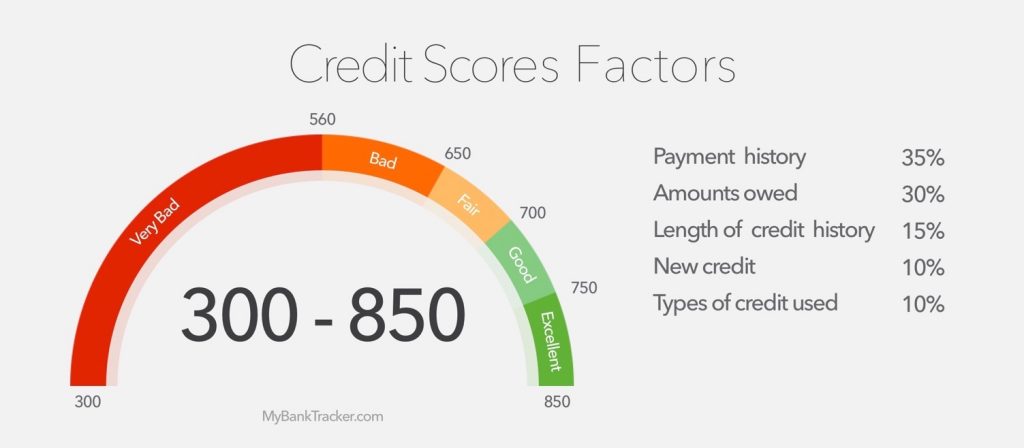
Building a crypto credit score in 2026 isn't about finding a single "best" number; it's about balancing the factors that matter to lenders. Unlike traditional FICO scores, which rely heavily on payment history and debt utilization, crypto-native scores evaluate on-chain behavior, collateral quality, and protocol risk. You need to understand what each factor tells a lender before you commit capital.
The primary tradeoff lies between privacy and visibility. To get a high score, you must expose your transaction history to scoring algorithms. This transparency allows lenders to assess your reliability but reduces your financial anonymity. If you value privacy, you might opt for zero-knowledge proof-based scoring, which often comes with stricter collateral requirements or lower credit limits.
Another critical factor is the type of collateral you use. Bitcoin-backed loans are common, but the score you receive depends on the asset's volatility. Stablecoins offer stability but may not contribute as much to your "credit building" narrative as volatile assets. Lenders adjust interest rates based on these risks, so your score directly impacts your borrowing costs.
Finally, consider the protocol's reputation. A score from a reputable rating agency like Fitch or Gio Ratings carries more weight than an internal protocol metric. These agencies use on-chain data to assess counterparty risk, giving you a more portable score across different DeFi platforms. Always check which rating methodology a platform uses before applying.
| Factor | Impact on Score | Risk Tradeoff |
|---|---|---|
| On-Chain History | High: Shows consistent repayment behavior | Privacy loss: All transactions are public |
| Collateral Type | Medium: Stablecoins vs. volatile assets | Liquidation risk: Volatile assets drop in value |
| Rating Agency | High: Institutional recognition | Centralization: Relies on third-party assessment |
| Debt Utilization | Medium: How much credit you use | Over-leverage: High utilization signals distress |
How to evaluate a DeFi credit reporting standard
The 2026 DeFi credit reporting standards shift the burden of proof from the borrower to the protocol. Instead of relying on opaque internal metrics, institutions now demand auditable, on-chain evidence of solvency and repayment history. To navigate this landscape, you need a decision framework that filters out noise and focuses on data integrity.
1. Verify the data source
Not all "credit scores" are created equal. The most reliable standards pull directly from on-chain activity rather than self-reported data. Look for providers like Gio Ratings or Fitch Ratings that use daily updated on-chain data to measure counterparty and asset risk. If a platform doesn't explicitly state its data provenance, treat its score with skepticism.
2. Check for real-time updates
Crypto markets move faster than traditional finance. A credit score based on monthly or quarterly snapshots is obsolete by the time you see it. Ensure the reporting standard updates in near real-time. This allows you to react to sudden liquidity crunches or smart contract vulnerabilities before they impact your position.
3. Assess the risk model
Understand how the score is calculated. Does it penalize high leverage? Does it account for stablecoin de-pegging risks? The best standards incorporate multiple variables, including wallet history, transaction volume, and collateralization ratios. A single-factor score is rarely sufficient for high-stakes decisions.
4. Review institutional adoption
Adoption by major institutions is a strong signal of reliability. Check if the reporting standard is recognized by established financial entities. This doesn't mean it's risk-free, but it indicates that the methodology has withstood scrutiny from professional risk managers.
5. Test the transparency
A good reporting standard provides a breakdown of the score. You should be able to see exactly which factors contributed to a high or low rating. If the algorithm is a black box, you cannot effectively manage the associated risks.



| Feature | Traditional | 2026 DeFi Standard |
|---|---|---|
| Data Source | Self-reported/Off-chain | On-chain/Real-time |
| Update Frequency | Monthly/Quarterly | Daily/Real-time |
| Risk Variables | Limited | Multi-variable |
| Transparency | Low | High |
Spotting the Weak Options in DeFi Credit Reporting
The 2026 DeFi credit reporting standards aim to replace opaque on-chain behavior with structured credit scores, but the market is saturated with misleading claims. Many platforms promise instant score boosts by simply linking a wallet, ignoring the fact that true creditworthiness requires a history of repaying debts, not just holding assets. Without this repayment data, these scores are essentially empty metrics that offer no real leverage in traditional lending.
A common mistake is assuming that high DeFi token holdings equal high creditworthiness. In reality, volatile collateral can lead to liquidations that tank your score faster than missed payments in traditional finance. The most robust systems, like those analyzed by firms such as gio Ratings and Fitch Ratings, focus on counterparty risk and stablecoin reserve integrity rather than just asset volume. These institutions measure the actual ability of a protocol to honor its obligations, which is the only metric that matters when credit markets mature.
To avoid weak options, look for platforms that disclose their data sources. If a service does not explain how it weighs on-chain transaction history against off-chain identity verification, it is likely using a superficial algorithm. True credit scores in crypto are built on transparency and consistency, not just the size of your wallet.
2026 crypto credit scores: what to check next
The 2026 DeFi credit reporting standards have shifted how lenders assess risk, moving from opaque centralization to transparent on-chain verification. Before engaging with these new protocols, it is essential to understand how they differ from traditional financial metrics and what specific behaviors they reward.
What is a credit score in crypto?
A crypto credit score evaluates your financial behavior directly on the blockchain rather than relying on traditional banking history. While it draws parallels to traditional scoring, decentralized credit scoring sets itself apart by evaluating transaction patterns, loan repayment consistency, and asset diversity within the blockchain ecosystem. It is a measure of counterparty reliability based on immutable on-chain data, not a centralized bureau report.
What is the biggest killer of crypto credit scores?
The most significant factor damaging a crypto credit score is missed loan repayments or liquidation events. In DeFi lending platforms, failing to maintain required collateral ratios or missing stablecoin interest payments is recorded permanently on-chain. Unlike traditional credit, where a single missed payment might have a grace period, DeFi protocols often trigger immediate penalties or public flags that lower your reputation score across multiple lending venues.
How rare is an 830 credit score in crypto?
An 830 score is exceptionally rare in the crypto space because most protocols use different scoring scales, often ranging from 300 to 850, but with much tighter distributions. Achieving the top tier requires years of consistent, flawless interaction with lending protocols, holding diverse collateral, and never triggering a liquidation. Most active DeFi users fall in the mid-range, as the strict requirements for top-tier status exclude all but the most disciplined borrowers.
Will crypto credit scores replace traditional scores?
Crypto credit scores will likely complement rather than replace traditional scores for the foreseeable future. While they offer a robust way to assess risk for unbanked or underbanked populations, institutional adoption requires regulatory clarity that is still evolving. Currently, they serve as a specialized tool for DeFi participants, with traditional scores remaining dominant for fiat-based financial interactions.
No comments yet. Be the first to share your thoughts!