Get your on-chain reputation ready
Before you connect a wallet to a DeFi credit protocol, treat your blockchain history like a traditional credit file. Lenders in 2026 are looking for verifiable proof of reliability, not just asset value. If your on-chain footprint is messy, your borrowing power will be capped regardless of your portfolio size.
Start by auditing your transaction history. Remove or consolidate fragmented wallets that dilute your activity. A single, active address with a clear history of on-time loan repayments and stablecoin holdings builds a stronger signal than five dormant accounts. Clean up any failed transactions or bounced approvals that might signal instability to automated underwriting bots.
Next, link the right data sources. Many protocols now pull from traditional credit bureaus or verified identity providers to supplement on-chain data. Ensure your off-chain identity is verified and that your traditional credit report is accurate. As BNPL reporting and medical debt trends shift in 2026, outdated negative marks on traditional reports can drag down your composite score. Check your Equifax or Experian reports first to catch errors before they hit your DeFi profile.
Finally, establish a baseline of activity. Lenders need to see consistent behavior. If you have no history, start with small, fully secured loans on reputable platforms. Repay them early or on time. This creates the "proof of payment" trail that algorithms use to calculate your initial credit tier. Without this foundational data, you will likely be locked out of competitive interest rates.
How to evaluate on-chain reputation for DeFi credit
DeFi credit protocols no longer rely on a single FICO score. Instead, they build a composite view of your financial behavior using on-chain data. This approach allows you to prove creditworthiness without sharing personal identity documents, but it requires a different set of checks. You must verify which data sources the protocol trusts, how it weights your transaction history, and what collateral is required to bridge the gap between your on-chain activity and actual borrowing power.
To navigate this landscape effectively, follow this ordered sequence. Each step builds on the previous one, ensuring you understand the full scope of your digital reputation before committing funds.
Start by reviewing the protocol’s documentation to see which blockchains and wallets it indexes. Not all protocols track the same activity. Some focus solely on Ethereum mainnet, while others aggregate data from Layer 2s like Arbitrum or Optimism. If your primary transaction history is on a chain the protocol ignores, your score will remain low regardless of your actual financial health. Check if the protocol supports multi-chain aggregation or if you need to consolidate assets to a supported network first.

Protocols analyze your past transactions to determine reliability. They look for patterns like consistent repayment of loans, regular stablecoin holdings, and lack of flash loan arbitrage or wash trading. If your wallet is filled with high-risk interactions or failed transactions, these can drag down your reputation score. Clean up your wallet by moving funds to a fresh address for lending activities, or ensure your history shows steady, long-term holding patterns rather than speculative churn.
Your on-chain score directly influences how much collateral you must lock up. A high reputation score might allow you to borrow with 110% collateralization, while a low score could require 150% or more. Understand the specific ratios for your asset class. If you have volatile assets like ETH or BTC, you may need to over-collateralize significantly if your score is not yet established. Use a collateral calculator to determine the exact amount of capital you need to reserve to access your desired loan size.
Many modern protocols allow you to import reputation from other DeFi platforms. This is known as cross-platform aggregation. If you have a strong history on Aave or Compound, you can often import that data to gain a higher initial score on a new lending protocol. Check if the protocol supports importing scores from other major DeFi credit bureaus. This step can save you weeks of building history from scratch, allowing you to unlock better borrowing terms immediately.
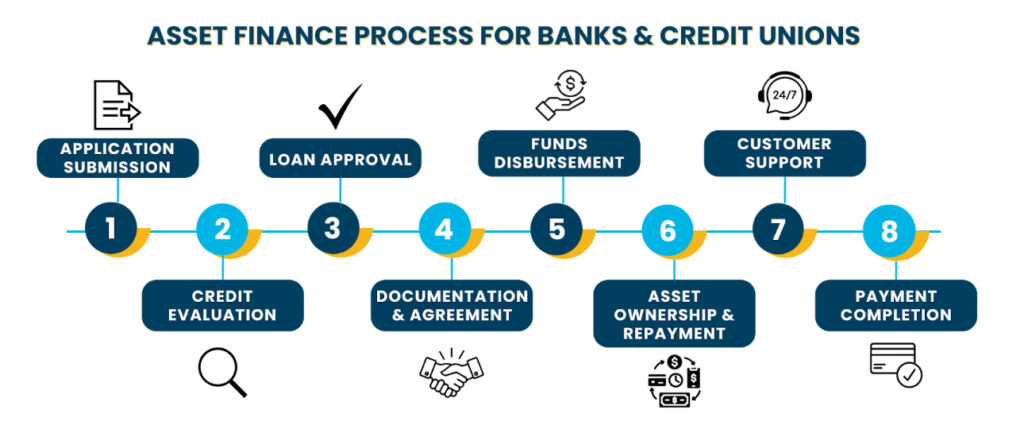
Once you have set up your profile, take out a small loan with a short term. Repay it early if possible. This action sends a strong positive signal to the protocol’s scoring algorithm. It demonstrates both your ability to manage debt and your willingness to honor commitments. This initial repayment is often the catalyst that pushes your score into a higher tier, unlocking better interest rates and higher borrowing limits for future transactions.
Common mistakes to avoid
Many users fail to account for the volatility of their collateral assets. If your collateral price drops significantly, your loan may be liquidated even if your reputation score is high. Always maintain a buffer above the minimum collateralization ratio. Additionally, do not assume that all on-chain activity is positive. Frequent interactions with known scam contracts or mixer services can flag your wallet as high-risk, leading to automatic score reductions or account restrictions.
Proof checks before you borrow
Before finalizing any loan, verify the protocol’s smart contract audits. Ensure the code has been reviewed by reputable security firms. Check the current liquidity depth of the pool you are borrowing from to ensure you can exit your position without significant slippage. Finally, confirm that the interest rate model is variable or fixed, as this will impact your long-term repayment costs.
Fix common mistakes
DeFi credit protocols reward behavior that traditional banks ignore, but they punish the same behaviors with different mechanics. If you treat on-chain reputation like a traditional credit score, you will likely lose liquidity or face higher interest rates. The following errors are the most common reasons protocols downgrade your standing or lock your capital.
Ignoring data decay and stale metrics
On-chain reputation is not a permanent badge; it is a rolling window of recent activity. Many users assume that a high score earned six months ago protects them from current risk. In reality, most DeFi lending platforms recalculate your creditworthiness based on the last 30 to 90 days of transaction history. If you stop using your wallet or let your stablecoin balances sit idle, your score will decay. You must maintain consistent, active usage of the protocol to keep your metrics fresh. Think of your reputation as a muscle that atrophies without regular exercise, not a diploma that lasts forever.
Overleveraging on volatile assets
Traditional credit scores penalize high utilization ratios, but DeFi protocols go further by penalizing the type of collateral. Depositing highly volatile assets like meme coins or low-liquidity altcoins as collateral triggers aggressive liquidation thresholds. Even if your loan-to-value ratio looks safe on paper, a sudden 10% market dip can trigger a liquidation event because your collateral is hard to sell without slippage. Stick to established, high-liquidity assets like ETH, BTC, or major stablecoins. This stability signals to the protocol that you are a low-risk borrower, which lowers your interest rates and improves your borrowing capacity.
Neglecting cross-chain and cross-protocol history
A common mistake is treating each DeFi protocol as a silo. While some platforms are building universal reputation layers, many still rely on isolated data. If you have a strong track record on Aave but zero history on Compound, the latter may view you as a new, risky user. To fix this, start by building a history on one primary platform before expanding. Use that proven track record to negotiate better terms or migrate to other platforms that may offer "guest mode" or temporary boosts for users with external proof of solvency. Don't spread your activity too thin across five platforms in your first month; concentrate it to build a strong signal.
Failing to monitor oracle prices and health factors
Your "health factor" is the real-time metric that determines if your loan is safe. Many users set up loans and forget them, assuming the system will auto-manage everything. This is dangerous. If the oracle price for your collateral drops, or if the protocol's interest rates spike, your health factor can plummet below 1.0 in minutes. Set up alerts for your health factor. If it drops below 1.2, add collateral or repay debt immediately. Waiting for a liquidation notification is too late; by then, you have already lost capital to liquidation penalties.
Defi credit scores 2026: what to check next
On-chain reputation systems are shifting from simple wallet balances to complex behavioral models. As traditional credit reporting integrates alternative data like rent and BNPL history, DeFi protocols face the same pressure to prove reliability without exposing private identity.
Is my DeFi activity visible to traditional lenders?
Generally, no. Traditional credit bureaus like Equifax or Experian do not yet pull blockchain transaction data. However, the landscape is changing. As of 2026, some scoring models begin incorporating alternative payment histories, such as utility bills or Buy Now, Pay Later (BNPL) plans. While your Bitcoin holdings remain off-report, any DeFi protocol that reports on-chain repayment behavior to a centralized credit agency could eventually influence your traditional score. Until then, your on-chain history stays isolated from your FICO or VantageScore reports.
Can I use my DeFi reputation to get a loan without collateral?
Yes, but only within specific DeFi ecosystems. Protocols like Aave or Compound are experimenting with reputation-based lending, where your history of repaying loans and maintaining healthy collateral ratios builds a "trust score." This allows for lower collateral requirements or unsecured micro-loans. However, these are not yet mainstream. Most DeFi loans still require over-collateralization. If you have a strong on-chain history, you may access better rates, but you cannot yet walk into a traditional bank and show your wallet address to bypass a credit check.
How do I protect my privacy while building a credit score?
Privacy-preserving protocols use zero-knowledge proofs (ZKPs) to verify your creditworthiness without revealing your transaction history. Instead of showing every trade, you prove you have sufficient income or repayment history. Look for platforms that explicitly support ZK-proof verification. Avoid protocols that require you to connect your wallet to third-party analytics dashboards that sell data. Always read the smart contract terms to ensure your on-chain identity remains pseudonymous while still satisfying the lender’s risk requirements.
What happens if I miss a DeFi loan payment?
Unlike traditional credit, there is no centralized "collections agency" for DeFi. Instead, your on-chain reputation is permanently marked. Future lenders will see the missed payment, leading to higher interest rates or complete denial of service. Some protocols may also liquidate your remaining collateral automatically. There is no "dispute" process with a human agent. Your code is your credit report. If you anticipate a delay, communicate with the protocol community early; some decentralized autonomous organizations (DAOs) offer grace periods for verified users with otherwise strong histories.
No comments yet. Be the first to share your thoughts!