
DeFi credit scores 2026: on-chain behavior replaces traditional checks
DeFi credit scores 2026 models shift the foundation of lending verification from static bureau data to dynamic on-chain behavior. Instead of relying solely on a FICO number, protocols evaluate your wallet’s history of repayments, collateral health, and consistent transaction patterns. This allows lenders to see a borrower’s actual financial discipline rather than a snapshot from years ago.
The core difference lies in data freshness. Traditional credit reports update monthly, often lagging behind real-time financial changes. DeFi credit scores update with every on-chain interaction, providing a live view of liquidity and repayment capacity. This immediacy reduces the risk of adverse selection, where borrowers hide recent financial distress until it is too late.
However, this shift introduces new tradeoffs. On-chain data is transparent, meaning your financial history is public. While this builds trust with lenders, it also exposes your portfolio to potential scraping by third parties. Additionally, these scores do not yet capture off-chain obligations like rent or utilities, which newer traditional models like VantageScore 4.0 now include.
For borrowers, the implication is clear: your wallet address becomes your resume. Maintaining a healthy debt-to-value ratio and avoiding frequent, erratic transactions can positively influence your score. As the ecosystem matures, expect protocols to integrate more off-chain data points, bridging the gap between traditional creditworthiness and decentralized finance.
Defi credit scores 2026 choices that change the plan
DeFi lending protocols replace traditional credit checks with on-chain behavior, but this shift introduces distinct tradeoffs compared to FICO-based underwriting. In 2026, the landscape is split between legacy models incorporating rent and utility payments (VantageScore 4.0) and pure DeFi metrics based on collateralization ratios and transaction history. Understanding these differences is essential for borrowers seeking liquidity without traditional credit exposure.
Collateralization vs. Debt-to-Income
Traditional scores weigh debt-to-income (DTI) ratios heavily, assuming income stability. DeFi scores prioritize loan-to-value (LTV) ratios, meaning your assets dictate your borrowing power, not your paycheck. While this removes income verification barriers, it exposes borrowers to liquidation if asset prices drop sharply. Traditional credit rewards consistent repayment history over time; DeFi rewards capital efficiency and active portfolio management.
Data Privacy and Transparency
DeFi credit scores are built on public ledger data, offering full transparency but zero privacy. Every transaction is visible, allowing algorithms to assess behavior accurately. In contrast, traditional scores rely on private bureau data, which can contain errors or omissions. The tradeoff is clear: DeFi offers accuracy through visibility, while traditional systems offer privacy but often require manual disputes to correct inaccuracies.
Speed and Accessibility
DeFi protocols offer instant access to capital with no credit checks, appealing to those with thin or damaged credit files. Traditional lending involves lengthy underwriting processes, often taking days or weeks. However, DeFi interest rates are variable and market-dependent, potentially spiking during volatility. Traditional fixed-rate loans provide predictability but exclude borrowers who don’t meet strict bureau thresholds.
| Feature | Traditional (FICO/Vantage) | DeFi Lending |
|---|---|---|
| Primary Metric | DTI & Payment History | Collateral Value & LTV |
| Privacy | High (Private Data) | Low (Public Ledger) |
| Approval Speed | Days to Weeks | Instant |
| Rate Stability | Fixed or Predictable | Variable/Market-Driven |
| Credit Building | Yes (Bureau Reported) | No (On-Chain Only) |
When to Choose Which
If you need to build or repair a traditional credit profile for mortgages or auto loans, stick to FICO-based lending. DeFi scores do not report to credit bureaus and won’t help your FICO score. However, if you need immediate liquidity, have significant crypto assets, or want to avoid income verification, DeFi lending offers a faster, albeit riskier, alternative. Always calculate liquidation risks before borrowing against volatile assets.
Choosing the right credit model for 2026
Deciding between traditional FICO, VantageScore 4.0, and DeFi lending protocols requires matching your financial history to the right scoring engine. The landscape has shifted: lenders now accept rent and utility payments, while DeFi protocols use on-chain activity as a proxy for reliability.
Use this framework to determine which path offers the best terms and access.
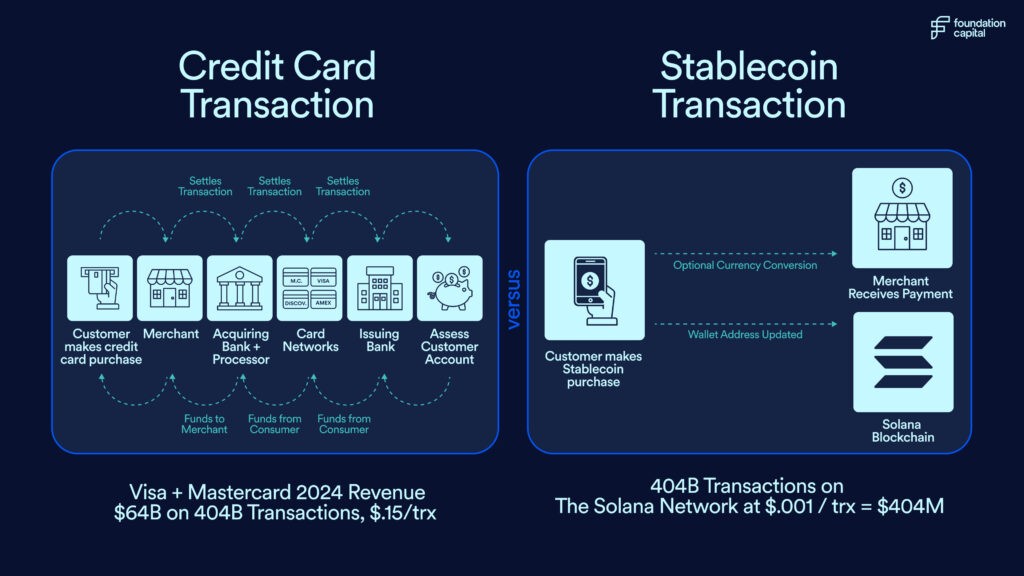
If you have a thick credit file with consistent on-time payments, stick with VantageScore 4.0. It captures more positive data points like rent and utilities, potentially boosting your score without the need for crypto exposure. This is the safest route for mortgage or auto loans.

If you lack a traditional credit file or have thin history, DeFi lending protocols offer an alternative. By maintaining healthy loan-to-value ratios and consistent repayment behavior on-chain, you build a verifiable reputation that some emerging lenders are beginning to recognize.
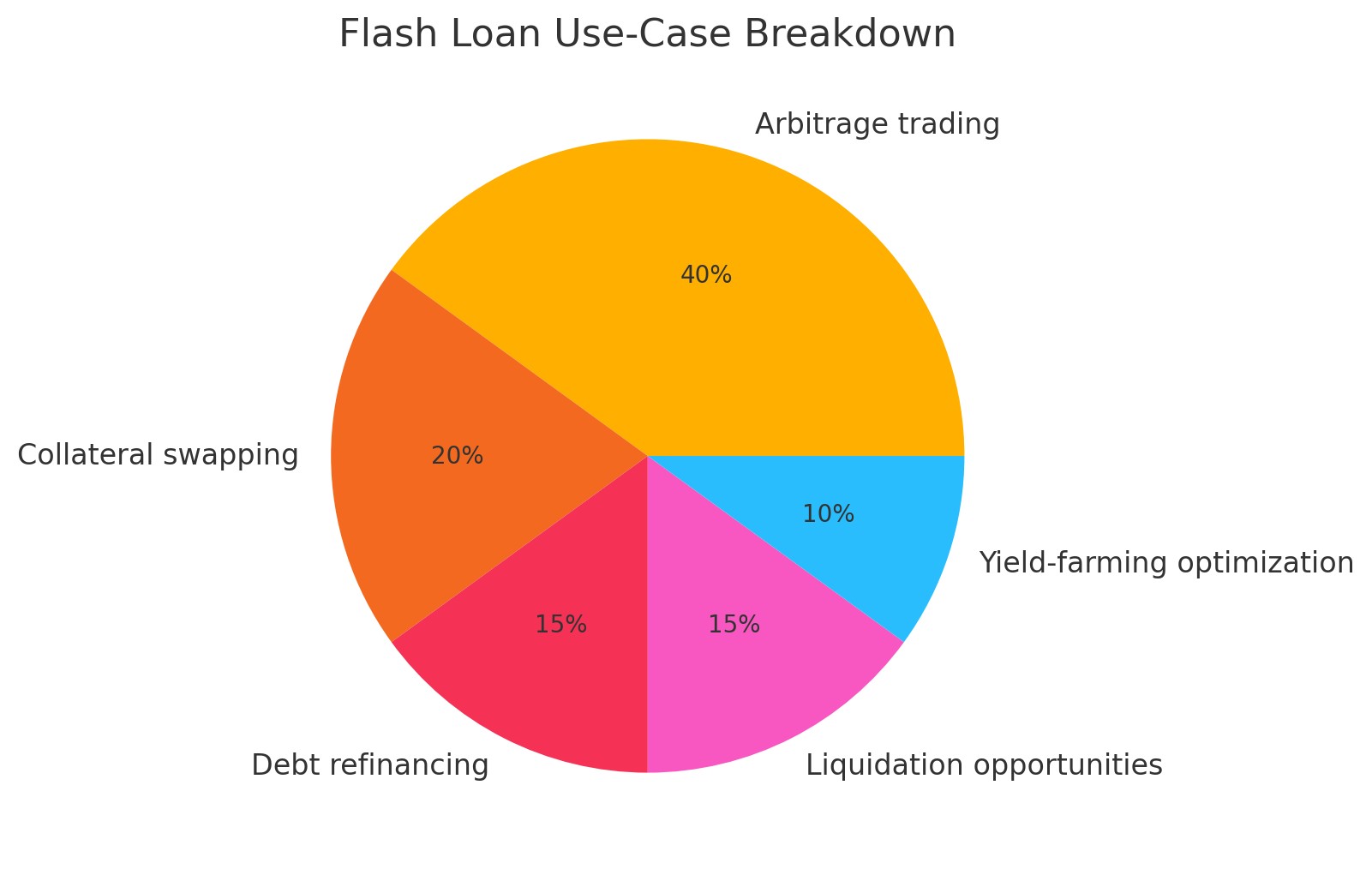
Traditional loans often require lower collateral but stricter underwriting. DeFi loans are overcollateralized but offer instant, permissionless access. Calculate the total cost of capital, including gas fees and opportunity costs of locked assets, to see which model actually saves you money in the short term.

Not all lenders accept DeFi-generated credit data. Before committing, confirm if your target financial institution or loan product accepts on-chain reputation scores. For now, this is mostly limited to niche crypto-friendly lenders and new fintech platforms.
Watchouts: Misleading Claims and Weak Options
DeFi lending promises to rewrite credit scores, but several common narratives distort how these systems actually work. Before allocating capital or adjusting your risk profile, separate the marketing hype from the on-chain mechanics.
The "No Credit Check" Myth
Many protocols advertise "no credit checks" as a universal feature. This is misleading. While they bypass traditional bureau inquiries, they rely on overcollateralization. If you cannot post sufficient collateral, the "loan" simply does not happen. The barrier to entry shifts from creditworthiness to liquidity, excluding those who need unsecured credit most.
Ignoring Smart Contract Risk
A high yield often masks underlying protocol vulnerabilities. Unlike traditional banks, DeFi protocols lack deposit insurance. A single bug or exploit can drain the entire liquidity pool, rendering your "credit score" irrelevant. Always audit the protocol's code history and insurance coverage before lending.
Volatility as a Silent Killer
The biggest killer of DeFi "credit scores" is asset volatility. If your collateral asset drops 20% in a day, you face instant liquidation. Traditional credit scores smooth out income fluctuations; DeFi scores are tied directly to real-time market prices. Manage your loan-to-value ratios tightly to avoid forced sales.
Defi credit scores 2026: what to check next
DeFi lending protocols are rewriting credit scores by treating on-chain history as a verifiable asset rather than a liability. While traditional bureaus rely on outdated data, these protocols use real-time transaction patterns to assess risk. This shift allows borrowers with thin files to access capital, but it introduces new complexities around privacy and smart contract risk that users must understand before depositing collateral.
No comments yet. Be the first to share your thoughts!