Why on-chain history matters in 2026
The financial landscape is shifting away from identity-based verification toward behavior-based reputation. In 2026, the traditional FICO score is no longer the sole gatekeeper for capital access. Instead, pseudonymous wallets carry tangible financial weight, allowing individuals to build creditworthiness without revealing their legal identities.
This transition is driven by the rapid expansion of decentralized lending protocols. DeFi outstanding loans grew 37% in 2025, creating a market that demands scalable, automated credit assessment models. These systems rely on on-chain history—transaction frequency, collateralization ratios, and repayment consistency—to evaluate risk.
On-chain reputation functions as a digital ledger of reliability. Unlike static credit reports that update monthly, blockchain data is continuous and immutable. This allows lenders to assess borrowers in real-time, reducing latency and expanding access to global capital markets for those who were previously underserved by traditional banking infrastructure.
How DeFi credit scores 2026 are calculated
On-chain credit scoring replaces identity verification with wallet behavior analysis. Unlike traditional FICO models that rely on personal identifiers, DeFi credit scores 2026 are derived from a pseudonymous wallet’s transaction history, collateralization ratios, and smart contract interactions. This shift allows lenders to assess risk based on observable on-chain actions rather than personal credit reports.
The foundation of any on-chain score is transaction history. Protocols analyze the frequency, consistency, and size of past transactions. Just as on-time payments remain the most significant factor in traditional credit scoring, regular and timely repayments of DeFi loans signal reliability. Wallets that consistently interact with lending protocols without defaulting accumulate higher scores. Conversely, wallets that exhibit erratic behavior or fail to meet repayment obligations see their scores drop, regardless of their net worth.
Collateralization ratios are the second pillar. In DeFi, loans are typically over-collateralized, meaning borrowers must lock up assets worth more than the loan amount. The health of this ratio—defined as the value of collateral divided by the value of the loan—is a primary indicator of creditworthiness. A wallet maintaining a high collateralization ratio over time demonstrates a lower risk of liquidation and default. This data is transparent and immutable, allowing algorithms to calculate risk exposure in real-time without manual underwriting.
Smart contract interactions provide the final layer of context. The types of protocols a wallet engages with reveal its risk appetite. Frequent interactions with stable, established lending platforms suggest a conservative approach, while repeated use of high-yield, volatile protocols may indicate higher risk. Algorithms weigh these interaction patterns to refine the score. By combining transaction history, collateral health, and protocol usage, DeFi credit scores offer a comprehensive, permissionless view of financial responsibility.
Top DeFi credit score platforms compared
The DeFi credit score landscape in 2026 has shifted from experimental protocols to scalable, AI-driven models capable of supporting billions in outstanding loans. Unlike traditional FICO systems that rely on centralized reporting, these platforms derive scores directly from on-chain behavior, offering a pseudonymous alternative for borrowers and lenders alike.
Choosing the right platform depends on your technical requirements and liquidity needs. The following comparison evaluates the leading providers across key operational metrics, including supported blockchain networks, identity verification standards, and primary lending integrations.
| Platform | Supported Chains | KYC Requirement | Lending Partners |
|---|---|---|---|
| ChainAware | Ethereum, Polygon, Arbitrum | Optional (Pseudonymous) | Aave, Compound |
| Cred Protocol | Ethereum, Optimism | Required (Verifiable Credentials) | Morpho, Spark |
| Spectral | Ethereum | Required (KYC/AML) | Spectral Markets |
| Goldfinch | Ethereum | Required (Real-World Assets) | Direct Lending Pool |
ChainAware and Cred Protocol lead in accessibility, allowing pseudonymous or credential-based onboarding that lowers the barrier to entry for crypto-native users. Spectral and Goldfinch enforce stricter KYC/AML protocols, making them suitable for institutional capital seeking regulatory compliance. This distinction dictates where your capital and borrowing power will flow most efficiently in the current market.
Crypto lending without kyc: choices that change the plan
The shift toward non-KYC DeFi lending is driven by a desire for financial sovereignty. In 2026, the market for tranched credit has expanded by 37% year-over-year, signaling a growing appetite for permissionless access to capital. This model appeals to users who prioritize pseudonymity and speed, offering a stark contrast to the bureaucratic friction of traditional banking. However, this autonomy comes with significant financial premiums and structural risks that borrowers must weigh carefully.
Privacy remains the primary advantage of on-chain lending. By relying on smart contracts rather than identity verification, users can access liquidity without exposing personal data to centralized intermediaries. This is particularly valuable for those in restrictive jurisdictions or those who simply wish to keep their financial history off public records. The speed of execution is also unmatched; loans can be originated, collateralized, and disbursed in minutes, bypassing the days-long underwriting processes typical of FICO-based systems.
However, the cost of this privacy is high. Non-KYC protocols typically charge higher interest rates to offset the elevated risk of non-custodial defaults. Without the ability to perform credit checks or pursue legal recourse, lenders demand a larger risk premium. Additionally, liquidity is often fragmented across various protocols, meaning borrowers may face limited options for large-ticket loans or favorable terms. The lack of a unified credit identity also means that positive repayment behavior does not easily translate into better rates on other platforms, creating a siloed financial experience.
For many, the tradeoff is a matter of urgency versus cost. If immediate, anonymous access to funds is the priority, DeFi offers a viable path. But for those seeking long-term financial integration or lower borrowing costs, the traditional system’s gatekeeping mechanisms, while burdensome, provide a more stable and cheaper credit environment.
Building your on-chain credit profile
Your on-chain history is the only currency that matters for DeFi credit scores. Unlike traditional models that rely on personal identification, these systems evaluate pseudonymous wallets based on transactional behavior. To build a profile that unlocks better loan terms, you must treat your wallet like a financial institution managing its own risk book.

Keep your collateralization well above the minimum requirements. While you can technically borrow up to the limit, maintaining a lower loan-to-value (LTV) ratio signals stability. It demonstrates that you have sufficient buffer against market volatility, which directly improves your risk assessment in algorithmic scoring models.
Payment history remains the strongest predictor of future behavior. Set up automated repayments or calendar reminders to ensure you never miss a deadline. Even a single late payment can severely damage your score, as DeFi protocols view missed obligations as high-risk indicators that outweigh other positive metrics.
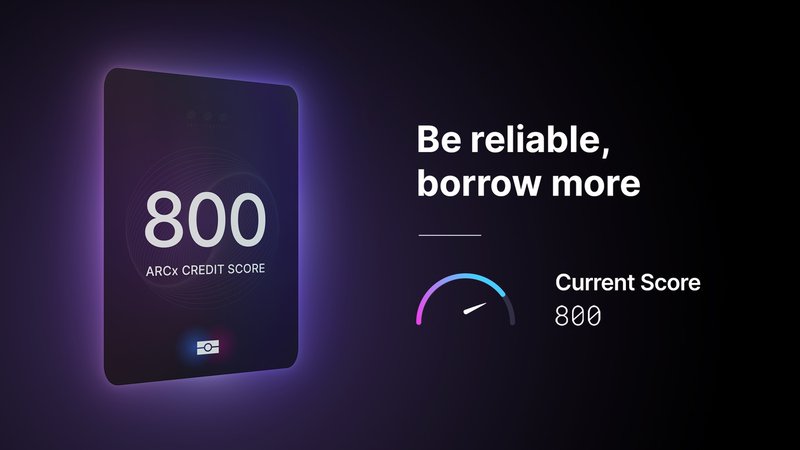
Avoid using a single wallet for every interaction. Distribute your activity across multiple DeFi protocols and assets to show a breadth of financial experience. A diverse history of interacting with different lending pools and stablecoins provides a more robust data set for credit scoring algorithms to analyze.
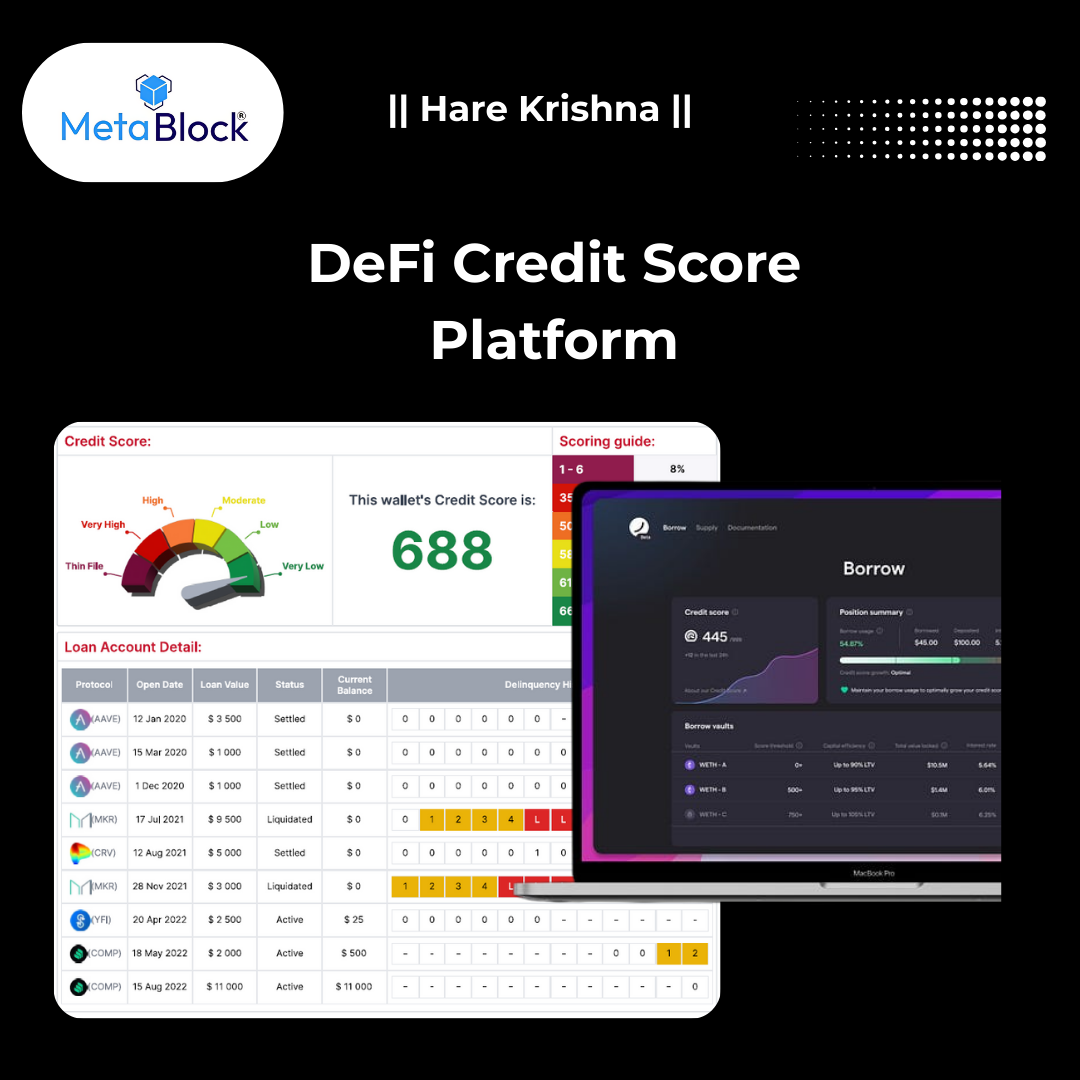
Regularly check your credit reports on platforms like ChainAware or Cred to identify errors or fraudulent activity. Early detection allows you to dispute inaccuracies before they impact your borrowing capacity. Proactive monitoring ensures your score accurately reflects your true financial standing.
Frequently asked questions about DeFi credit scores
What is a good DeFi credit score?
There is no universal benchmark for DeFi credit scores because each protocol defines its own risk parameters. Unlike FICO, which uses a standardized 300-850 scale, DeFi scores vary by platform and the specific lending pool you intend to access. A score of 750+ on one platform might be considered average on another.
To determine what "good" means for your strategy, check the minimum score requirements for the specific liquidity pool or loan product you are targeting. Some protocols require high scores for lower interest rates, while others accept lower scores with higher collateralization ratios.
How rare is a high on-chain score?
High DeFi credit scores are significantly rarer than high FICO scores due to the strict data requirements. Most users have sparse on-chain histories, lacking the consistent transaction volume or long-term debt repayment records needed to build a top-tier score.
Achieving a score in the top 10% typically requires active participation across multiple protocols over several years. This includes maintaining low loan-to-value ratios, avoiding defaults, and demonstrating consistent liquidity provision. As a result, only a small fraction of wallet addresses hold the kind of creditworthiness that unlocks the best terms.
Is a low DeFi score a permanent barrier?
A low score does not permanently lock you out of DeFi, but it limits your options. You can often access lending markets by providing more collateral or using flash loans that don't require a credit history.
Improving your score is possible by paying back existing debts on time and increasing your total value locked (TVL) in stable assets. However, because DeFi scores are based on on-chain behavior, you cannot simply "fix" a bad score with a quick payment; it requires a demonstrated pattern of responsible financial behavior over time.
Helpful gear
Use these product recommendations as a starting point, then choose the size, material, and price point that fit how you actually use the gear.


As an Amazon Associate, we may earn from qualifying purchases.
No comments yet. Be the first to share your thoughts!