DeFi credit scoring 2026
DeFi credit scoring in 2026 marks a shift from opaque FICO models to on-chain reputation systems. Protocols now assess borrower reliability using wallet history, collateralization ratios, and repayment behavior across decentralized exchanges. This transparency allows lenders to price risk more accurately while giving borrowers the ability to build a portable financial identity.
The landscape is moving toward AI-powered analysis. Platforms like Kava are integrating machine learning to interpret complex on-chain data, creating scores that reflect true borrowing capacity rather than just asset holdings. This evolution addresses the limitations of traditional credit bureaus, which often exclude unbanked populations.
For borrowers, the tradeoff is clear: you trade privacy for access. Your transaction history becomes public ledger data, but you gain eligibility for loans without centralized KYC. For lenders, it reduces default risk through real-time collateral monitoring. As the market matures, expect standardized scoring models to emerge, similar to how FICO became the industry norm in traditional finance.
DeFi credit scoring 2026 choices that change the plan
2026 guide: How DeFi Lending History Is Replacing FICO for Crypto Credit Scores works best as a clear sequence: define the constraint, compare the realistic options, test the tradeoff, and choose the path with the fewest hidden costs. That order keeps the advice usable instead of decorative. After each step, pause long enough to check whether the recommendation still fits the reader's actual situation. If it depends on perfect timing, unusual access, or a best-case budget, include a simpler fallback.
| Factor | What to check | Why it matters |
|---|---|---|
| Fit | Match the option to the primary use case. | A good deal still fails if it does not fit the job. |
| Condition | Verify age, wear, and service history. | Hidden condition issues erase upfront savings. |
| Cost | Compare purchase price with likely upkeep. | The cheapest option is not always the lowest-cost option. |
How to choose a DeFi credit scoring platform
FICO scores rely on debt history and payment timing, but DeFi credit scores measure on-chain behavior. In 2026, the most reliable platforms analyze transaction frequency, wallet age, and collateralization ratios. Choosing the right platform depends on whether you prioritize privacy, cross-chain compatibility, or lending rate discounts.
Most lending protocols operate across multiple chains. Ensure your chosen credit score provider indexes activity on Ethereum, Arbitrum, or Base if you use those networks. A score that only tracks Ethereum mainnet may undervalue your on-chain reputation on other chains.

Not all platforms accept every credit score. Major DeFi lending protocols like Aave or Compound often integrate specific providers to offer interest rate discounts. Verify which credit score providers are whitelisted by the lending platform you plan to use before building your score.
DeFi credit scoring requires linking your wallet to an off-chain identity provider. Compare how each platform handles data retention and deletion. Some allow you to revoke access instantly, while others retain historical data for fraud prevention. Choose the option that aligns with your privacy threshold.
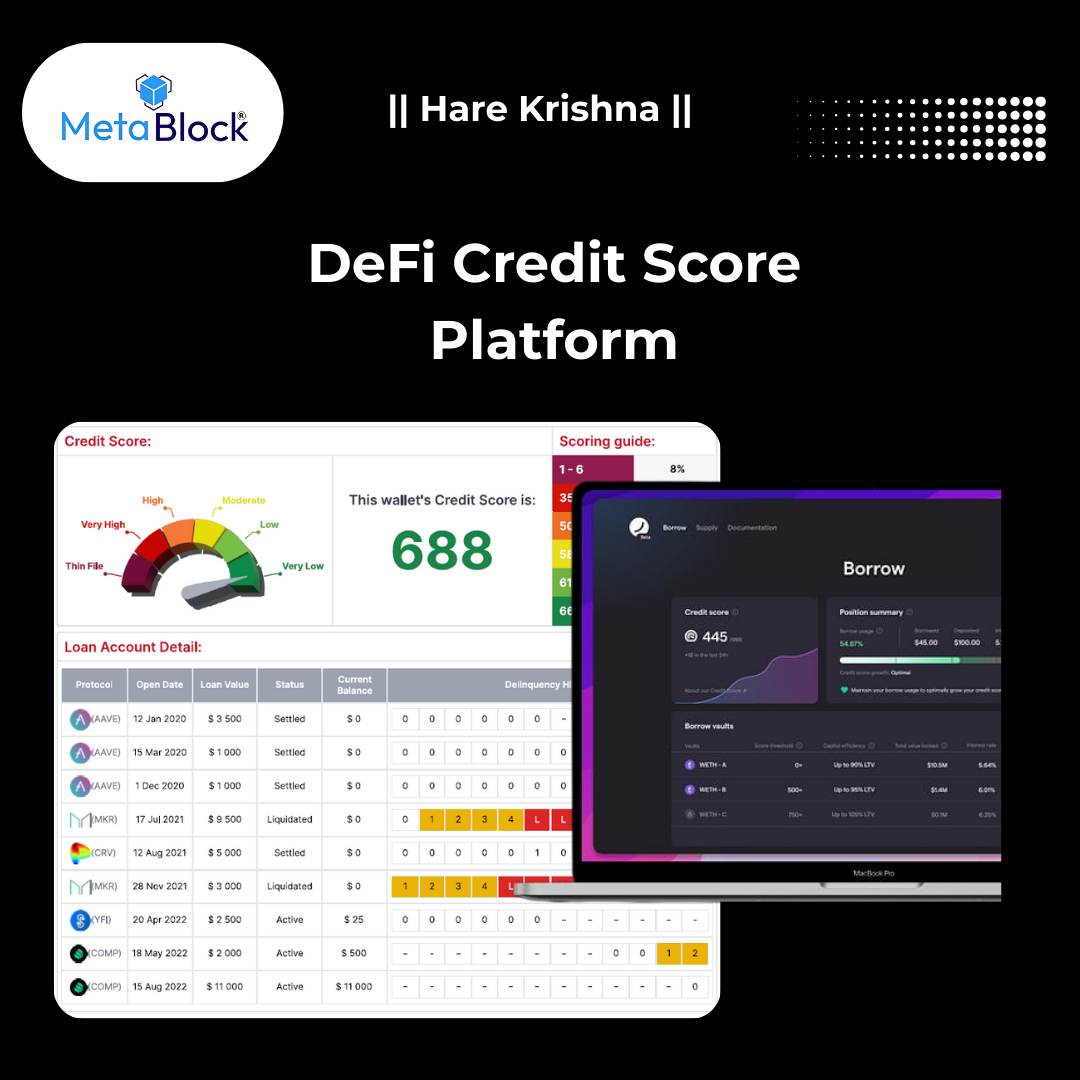
Before committing to a long-term lending strategy, simulate how different behaviors affect your score. Check if the platform weights recent transactions more heavily than historical ones. A score that decays quickly after inactivity may not be suitable for infrequent traders.
| Platform | Chains | Privacy | Lending Integrations |
|---|---|---|---|
| ChainAware | Multi | High | Aave, Compound |
| Cred | Ethereum | Medium | MakerDAO |
| Kava AI | Kava, BSC | Low | Kava Lending |
The tradeoff is clear: platforms with broad lending integrations often require more data sharing, while high-privacy options may limit your access to the best interest rates. Start by identifying the lending protocol you use most, then select the credit score provider that integrates directly with it.
Watch for misleading DeFi credit score claims
DeFi platforms often market "instant credit" without explaining how they calculate risk. Many use opaque algorithms that ignore your actual transaction history, focusing instead on simple collateral ratios. This creates a false sense of security. You might see a high score on one platform, only to be rejected by another because their models weigh on-chain behavior differently.
Avoid platforms that promise scores without disclosing their data sources. If a service doesn't explain whether it tracks your lending history, swap volume, or wallet age, treat the score with skepticism. The biggest killer of credit scores remains missed payments, and in DeFi, this often means liquidation due to volatile collateral prices. Always check if the platform offers grace periods or alerts before liquidation.
When comparing options, look for transparency. The best platforms provide a breakdown of how each factor influences your score. Don't rely on a single metric. Use a comparison table to weigh features like privacy, accuracy, and lender acceptance. This helps you choose a service that truly reflects your financial health, rather than just your current collateral value.
No comments yet. Be the first to share your thoughts!