
Crypto credit scores 2026 limits to account for
2026 guide: How DeFi Lending History Is Replacing Traditional FICO Scores for Crypto Credit works best as a clear sequence: define the constraint, compare the realistic options, test the tradeoff, and choose the path with the fewest hidden costs. That order keeps the advice usable instead of decorative. After each step, pause long enough to check whether the recommendation still fits the reader's actual situation. If it depends on perfect timing, unusual access, or a best-case budget, include a simpler fallback.
The simplest way to use this section is to write down the real constraint first, compare each option against it, and choose the path that still works outside ideal conditions.
Crypto credit scores 2026 choices that change the plan
2026 guide: How DeFi Lending History Is Replacing Traditional FICO Scores for Crypto Credit works best as a clear sequence: define the constraint, compare the realistic options, test the tradeoff, and choose the path with the fewest hidden costs. That order keeps the advice usable instead of decorative. After each step, pause long enough to check whether the recommendation still fits the reader's actual situation. If it depends on perfect timing, unusual access, or a best-case budget, include a simpler fallback.
| Factor | What to check | Why it matters |
|---|---|---|
| Fit | Match the option to the primary use case. | A good deal still fails if it does not fit the job. |
| Condition | Verify age, wear, and service history. | Hidden condition issues erase upfront savings. |
| Cost | Compare purchase price with likely upkeep. | The cheapest option is not always the lowest-cost option. |
How to evaluate DeFi credit platforms
Traditional FICO scores rely on bank reports, but DeFi lending platforms build credit profiles from on-chain data. This shift requires a different evaluation framework. You must assess how platforms interpret wallet history, reserve composition, and transaction behavior to assign risk ratings.
The following steps outline the practical checks needed to determine if a DeFi platform can reliably replace or supplement traditional credit metrics for your needs.
Credit ratings in DeFi augment traditional inputs with wallet balances and flows. Verify that the platform pulls data from transparent, public blockchains rather than private, opaque ledgers. Look for platforms that disclose which wallets are included in the score calculation and how they handle dormant addresses. Agioratings notes that reserve composition and transaction behavior are critical signals for counterparty risk.

Unlike FICO, which uses a black-box algorithm, reputable DeFi credit providers often publish their scoring models. Read the whitepaper or technical documentation to understand how debt-to-asset ratios and loan-to-value (LTV) caps are calculated. Platforms that allow you to simulate how a specific transaction history affects your score provide greater trust and control.

Credit scores in DeFi depend on price oracles to value collateral in real-time. If an oracle fails or is manipulated, the credit score becomes meaningless. Check if the platform uses decentralized oracle networks (like Chainlink) rather than single-source price feeds. This reduces the risk of a single point of failure affecting your creditworthiness.

A DeFi credit score is only useful if it is recognized. Investigate whether the platform has partnerships with traditional banks or fintech companies that accept on-chain proof of creditworthiness. Some platforms are building bridges to allow users to export their DeFi history as a standardized report for conventional loan applications.
Since credit scores are tied to financial assets, platform security is paramount. Look for smart contract audits from top-tier firms like CertiK or OpenZeppelin. Ensure the platform has a history of bug bounties and responsible disclosure. A platform with a history of exploits cannot provide a stable credit foundation.
The Weak Options in Crypto Credit
Traditional FICO scores rely on limited data points that often ignore how users actually manage digital assets. DeFi lending protocols attempt to replace this static model with on-chain history, but many current implementations introduce new risks rather than solving the core problem. Identifying these weak options is essential before committing capital or sharing private keys.
Several platforms claim to offer "instant credit approval" based solely on wallet balances. This approach is misleading because it ignores debt-to-income ratios and external liabilities. A wallet with significant holdings may still be over-leveraged through hidden positions in decentralized exchanges. Without verifying total exposure, lenders cannot accurately assess repayment capacity.
Another common mistake is assuming that smart contract code guarantees security. While code is transparent, it does not account for oracle failures or market manipulation. If a price feed is delayed or manipulated, a loan can be liquidated unfairly, damaging the user's on-chain reputation. This risk is often downplayed in marketing materials but remains a critical flaw in many credit scoring algorithms.
Finally, some services require excessive data access that compromises privacy without adding value. Users should avoid platforms that demand full control over their wallets for basic credit checks. Legitimate solutions use zero-knowledge proofs or selective disclosure to verify creditworthiness without exposing sensitive transaction history. Always review the data permissions before connecting your wallet.
Crypto credit scores 2026: what to check next
DeFi lending is shifting how creditworthiness is measured, but traditional credit metrics still hold weight in specific contexts. Here are the practical answers to common questions about crypto credit, market trends, and score mechanics.
Does AI really fix your credit score?
AI-driven credit models, often called "crypto-native credit scores," analyze on-chain data like wallet balances, transaction history, and reserve composition to assess risk. While they offer a path to credit for the unbanked, they do not "fix" a poor traditional FICO score. Instead, they create a parallel reputation system. Lenders use this data to underwrite collateralized loans without reporting to major credit bureaus, meaning your DeFi activity generally does not help or hurt your traditional credit profile.
What is the biggest killer of credit scores?
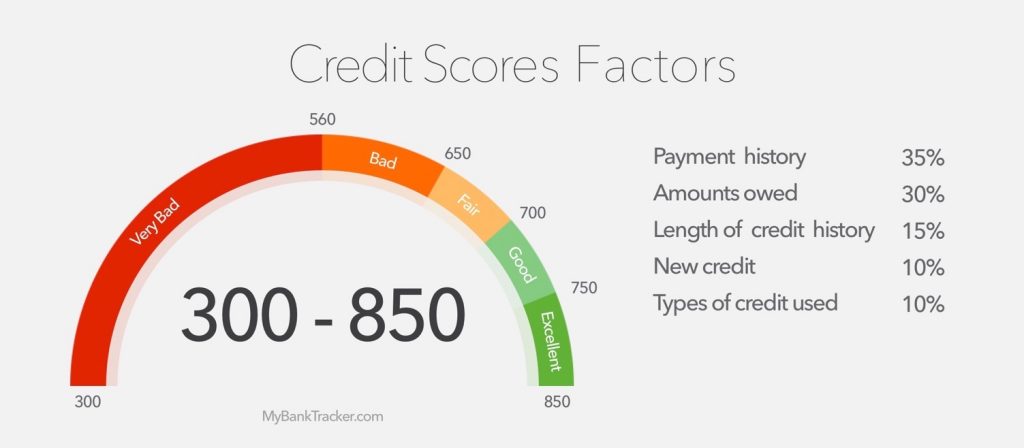
Payment history remains the single largest factor in traditional credit scoring, accounting for roughly 35% of your FICO score. Missed payments, defaults, or high credit utilization ratios are the primary drivers of score drops. In the crypto lending space, the equivalent risk is liquidation due to collateral depreciation. If the value of your crypto collateral drops below the loan threshold, you lose the asset instantly, with no grace period for repayment.
What crypto will surge in 2026?
Market predictions vary, but institutional interest in Bitcoin and regulated stablecoins continues to drive liquidity. While speculative altcoins can experience rapid growth, the most significant trend in 2026 is the integration of crypto-backed lending into traditional finance. Bitcoin remains the primary collateral asset for institutional loans due to its relative stability compared to smaller tokens. Investors should monitor regulatory developments rather than chasing short-term price surges.
What will $10,000 worth of Bitcoin be worth in 2030?
Predicting Bitcoin's value years in advance is speculative and depends on macroeconomic factors, adoption rates, and regulatory clarity. Historical performance does not guarantee future results. For accurate, real-time valuation and technical analysis of Bitcoin's current trajectory, refer to the live chart below.
No comments yet. Be the first to share your thoughts!