How DeFi Credit Scores Work
DeFi credit protocols replace the opaque FICO score with on-chain reputation. Instead of a single three-digit number, your borrowing power is determined by a comprehensive analysis of your transaction history, collateral health, and repayment behavior across decentralized exchanges and lending platforms.
This approach, often described as a "crypto-native credit score," bridges the gap between traditional risk assessment and decentralized finance. It allows lenders to evaluate creditworthiness without relying on centralized intermediaries or exposing sensitive personal data to third-party bureaus.
The system relies on transparent smart contracts to automate risk assessment. By analyzing immutable blockchain data, protocols can offer inclusive lending opportunities to users who might be overlooked by conventional banking systems due to thin credit files or transient financial instability.
DeFi credit score choices that change the plan
Switching from FICO to on-chain credit scores is not a simple substitution; it is a structural shift in how risk is calculated. Traditional credit relies on a narrow set of financial behaviors, while DeFi protocols analyze the full history of your wallet interactions. This shift introduces new variables that lenders must weigh against each other.
The primary tradeoff centers on data depth versus data clarity. On-chain data is exhaustive but noisy. A protocol can see every swap, bridge, and liquidity provision, but distinguishing between active trading and passive holding requires complex algorithms. In contrast, FICO scores are opaque but standardized. You do not know exactly how your score is derived, but you know the rules of the game. In DeFi, the rules are often embedded in code that may change without notice.
Another critical factor is privacy and identity. Traditional credit scores are tied to your legal identity, creating a direct link between your financial behavior and your personal life. DeFi credit scores are often pseudonymous, tied to wallet addresses rather than names. This offers privacy but can make it difficult to appeal errors or resolve disputes. If a protocol misinterprets your on-chain activity, there is no customer service team to call.
To evaluate these tradeoffs, consider using a comparison table to weigh the specific attributes of different DeFi credit protocols. Look for protocols that offer transparent scoring models and clear dispute resolution mechanisms.
| Factor | DeFi Score | FICO Score | Primary Risk |
|---|---|---|---|
| Data Source | Full on-chain history | Bank/credit card reports | Data noise in DeFi |
| Privacy | Pseudonymous | Identity-linked | Reputation leakage |
| Transparency | Open-source code | Proprietary algorithm | Code bugs |
| Dispute Resolution | Automated/None | Credit bureaus | No recourse |
| Accessibility | Global wallet access | US credit history | Exclusionary |
When comparing protocols, focus on the underlying data sources. Some protocols prioritize transaction volume, while others look at collateralization ratios. Understanding these nuances is essential for making informed lending decisions in the DeFi space.
Choose the next step
The shift from FICO scores to on-chain credit protocols isn’t just a tech upgrade; it’s a change in how risk is priced. Traditional credit relies on historical behavior in a closed system. DeFi credit looks at real-time asset flows, collateral health, and transaction history on the blockchain. This means you can access liquidity without a social security number, but you must manage your collateral differently.
To navigate this, you need a framework that balances speed, cost, and security. The following steps outline how to evaluate and select a protocol that fits your current financial position and risk tolerance. Focus on liquidity depth and interest rate models before committing funds.
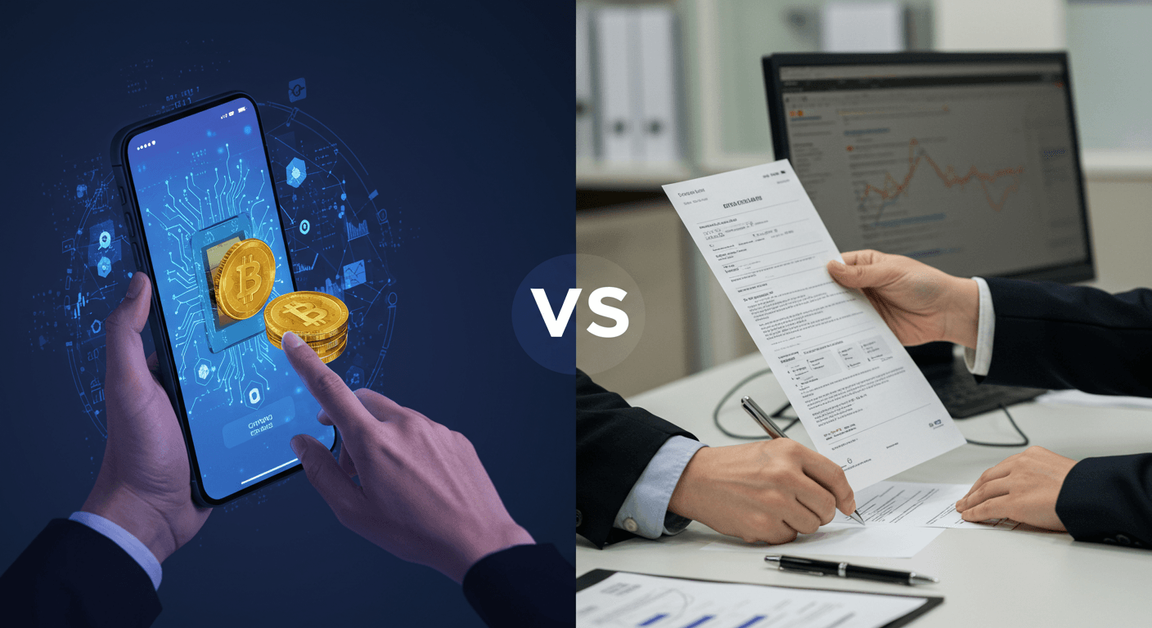
Unlike a FICO score, your "credit" is often dynamic. Lenders look at your transaction history, asset holdings, and repayment behavior across multiple protocols. If you are new, start by building a clean history on a single, reputable platform. Avoid fragmented activity across too many apps, which can obscure your risk profile for scoring algorithms.

DeFi lending rates are typically variable, driven by supply and demand. Some protocols use algorithmic rates that adjust every block, while others rely on liquidity provider incentives. Check the current utilization rate of the pool you plan to borrow from. High utilization often signals rising rates, which can trigger liquidation if your collateral value drops.
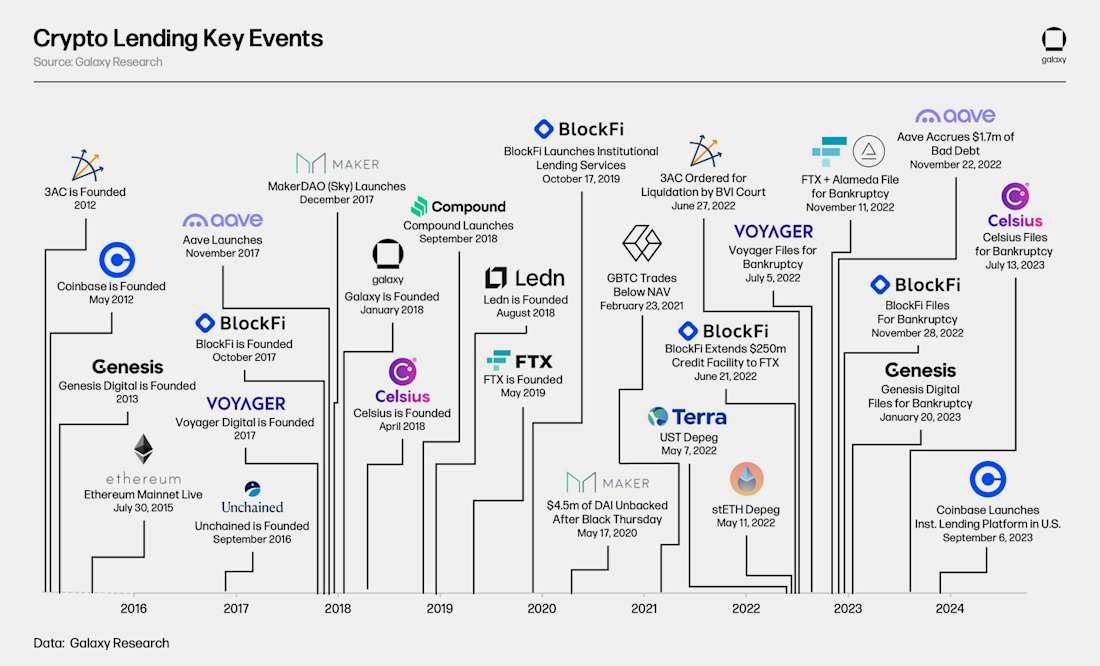
Most DeFi loans are overcollateralized. You might need to lock $150 in crypto to borrow $100. This is the primary trade-off for bypassing credit checks. Calculate your liquidation threshold carefully. If the asset price drops 10% and your threshold is 80%, you face immediate liquidation fees. Stablecoin-backed loans often offer better rates but require stable collateral.

Smart contract risk is real. Before locking assets, review the protocol’s audit reports from firms like CertiK or OpenZeppelin. Check the total value locked (TVL) as a proxy for community trust. A protocol with low TVL may have lower rates but higher risk of exploitation or insolvency. Prefer protocols with a proven track record of surviving market volatility.
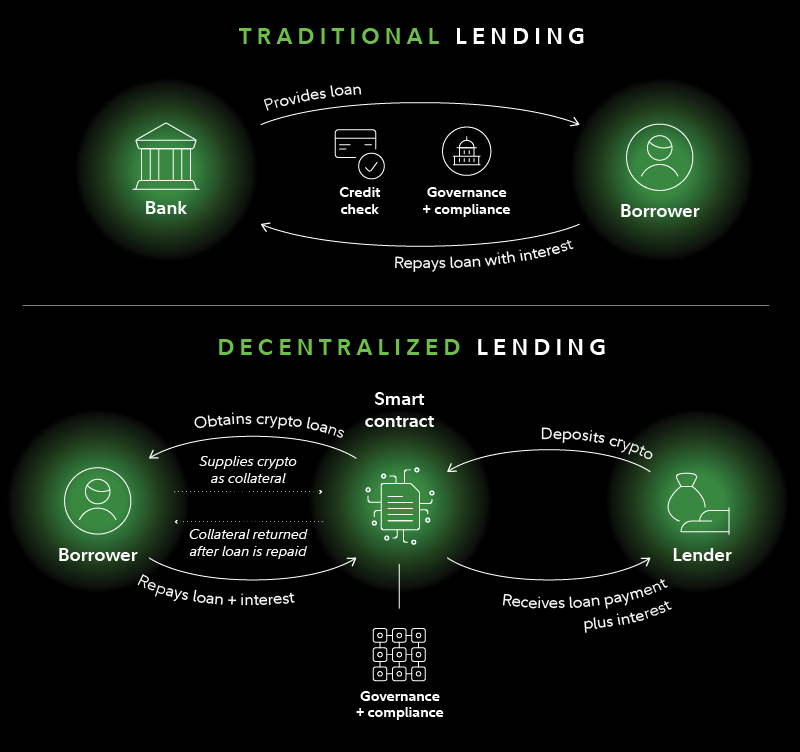
Because there is no human underwriter, liquidations are automated and immediate. Use portfolio trackers to monitor your health factor in real-time. Set up alerts for price movements in your collateral assets. Consider using flash loans or automated refinancing services if available, to manage your loan terms without manual intervention during high volatility.
The decision to use DeFi credit should be driven by the need for speed and accessibility, not just lower rates. For many, it is a tool for liquidity management rather than a permanent replacement for traditional banking. Treat it as a specialized financial instrument with unique risks.
The Hidden Risks in DeFi Credit Scoring
DeFi credit protocols promise to replace traditional FICO scores with on-chain data, but the technology is still maturing. While AI-powered models can analyze transaction history and collateral health, they often lack the regulatory oversight that protects consumers in traditional finance. Users must distinguish between robust, audited protocols and those making vague promises about "crypto-native" scoring.
A major pitfall is over-reliance on a single data source. Many platforms claim to offer comprehensive risk assessments, but they may ignore off-chain liabilities or fail to account for market volatility in collateral assets. This can lead to sudden liquidations that traditional credit checks would have mitigated. Always verify the protocol's audit history and understand exactly which data points feed into its scoring algorithm.
Another common mistake is assuming that a high on-chain score guarantees safety. Smart contract vulnerabilities exist independently of creditworthiness. A protocol might score you as a low-risk borrower but still suffer from a code exploit. Diversifying across multiple audited platforms and understanding the specific risks of each is essential for protecting your assets in this evolving landscape.
DeFi credit scores: what to check next
DeFi credit protocols are shifting the paradigm from traditional FICO scores to on-chain behavior analysis. This section addresses common questions about how these systems work and how they compare to legacy credit metrics.
No comments yet. Be the first to share your thoughts!