How the crypto credit score works in 2026
A crypto credit score translates your on-chain behavior into a single number that lenders use to approve loans, set interest rates, and determine borrowing limits. Unlike traditional FICO scores, which rely on bank reports and credit cards, this metric evaluates your activity directly on the blockchain. Lenders look at your history of repaying stablecoin or crypto-backed loans, your collateral ratios, and your overall engagement with decentralized finance (DeFi) protocols.
The shift toward these scores is driven by the need for efficient risk assessment in a borderless market. Traditional credit bureaus cannot access data from wallets or smart contracts, leaving millions of crypto users invisible to conventional lenders. By using on-chain data, DeFi lending protocols can offer credit to users who have no credit history but demonstrate financial reliability through their transaction patterns.
In 2026, the landscape is defined by a mix of institutional-grade ratings and consumer-facing scores. Agencies like Gio Ratings and Fitch Ratings provide counterparty risk scores for exchanges and custodians, while consumer platforms aggregate individual wallet history. This dual approach allows both institutions and retail users to gauge creditworthiness based on transparent, real-time data rather than static, outdated reports.
Crypto credit score 2026 choices that change the plan
Adopting a crypto credit score in 2026 means trading traditional regulatory protections for immediate access and privacy. Unlike FICO scores, which rely on decades of centralized banking history, on-chain credit scores analyze your wallet’s transactional behavior, collateral health, and DeFi participation.
The primary advantage is inclusion. Borrowers without a credit history or with poor scores can access liquidity through collateralized loans. However, this comes with higher liquidation risks and the loss of non-financial privacy, as your on-chain activity becomes public data used to calculate your risk profile.
| Feature | Traditional FICO | Crypto Credit Score |
|---|---|---|
| Data Source | Banks, lenders, utilities | On-chain transactions, DeFi history |
| Privacy | Private (credit bureaus) | Public (blockchain explorer) |
| Access Speed | Days to weeks | Instant to minutes |
| Risk Model | Repayment history, debt load | Collateralization ratio, volatility |
| Feature | Traditional FICO | Crypto Credit Score |
|---|---|---|
| Data Source | Banks, lenders, utilities | On-chain transactions, DeFi history |
| Privacy | Private (credit bureaus) | Public (blockchain explorer) |
| Access Speed | Days to weeks | Instant to minutes |
| Risk Model | Repayment history, debt load | Collateralization ratio, volatility |
When evaluating these systems, consider the volatility of your collateral. A high crypto credit score may grant you lower interest rates, but if the asset price drops, your loan can be liquidated instantly. Traditional credit offers more grace periods and restructuring options, but requires a lengthy approval process and exposes your financial data to third-party brokers.
The choice depends on your priority: speed and accessibility versus stability and privacy. For short-term liquidity needs, crypto credit scores offer unmatched efficiency. For long-term financial planning, traditional scores provide a buffer against market volatility.
How to choose a crypto credit scoring tool
Traditional FICO scores rely on a narrow set of banking relationships that most crypto users simply do not have. To get the same lending access in DeFi, you need a tool that translates your on-chain history into a recognizable risk profile. The right scoring platform connects your wallet activity to lending protocols, allowing you to borrow against assets without selling them.
Not all scoring engines are built the same. Some focus on high-frequency trading patterns, while others prioritize long-term holding stability. Choosing the wrong one can lead to lower borrowing limits or higher interest rates. You need a system that accurately reflects your actual financial behavior.
Use this framework to evaluate your options. Look for tools that offer transparent scoring criteria, wide protocol compatibility, and clear data privacy controls. The goal is to find a solution that turns your blockchain activity into a tangible financial asset.
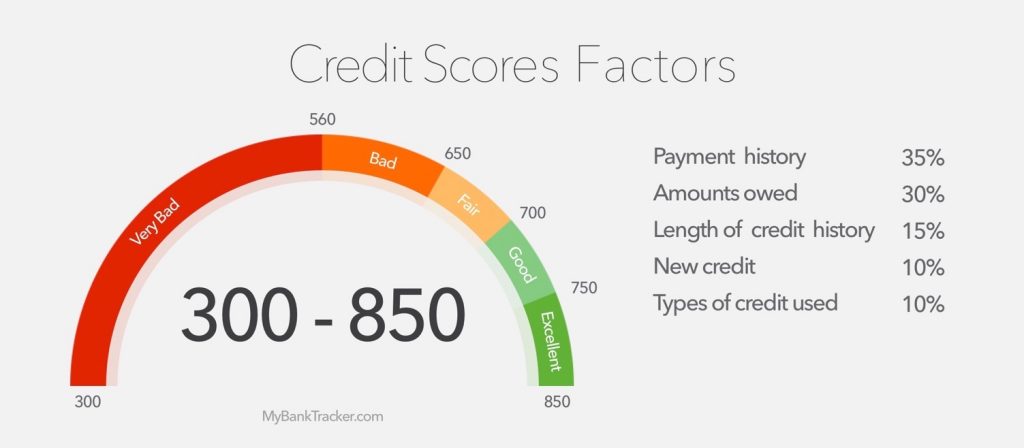
Verify that the scoring tool integrates with the lending platforms you plan to use. Compatibility is the first step; if a tool cannot talk to your preferred DeFi protocol, its score is useless. Look for support for major networks like Ethereum, Solana, or Arbitrum.

Choose a platform that shows you exactly how your score is calculated. Opaque algorithms often penalize users for normal behavior. You need a clear breakdown of factors, such as collateralization ratios, transaction history, and repayment behavior, so you can improve your standing.
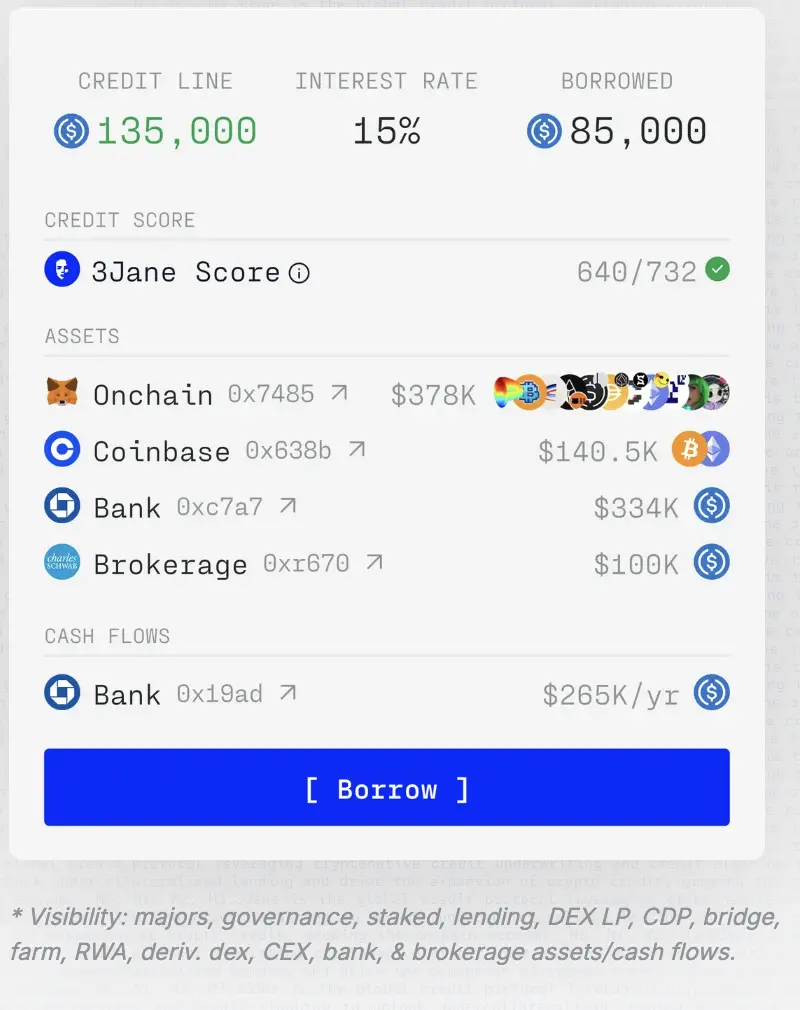
Ensure the tool respects your data sovereignty. Many crypto credit scores are built on public blockchain data, but some platforms require additional off-chain verification. Prefer tools that allow you to control what data is shared with lenders, keeping your identity separate from your financial activity.

Look for tools that have a track record of accurate risk assessment. Newer platforms may offer incentives, but established ones have more data to refine their models. Check if the score correlates with actual lending outcomes, such as loan approval rates and interest pricing.
Avoiding the Weak Options
DeFi lending protocols replace traditional FICO scores by analyzing on-chain behavior, but not all platforms offer the same reliability. Many services promise instant credit lines without explaining how they calculate risk. You need to look past marketing claims and verify the data sources behind the scores.
Misleading Claims
Some protocols claim to offer "instant approval" by relying solely on collateral value. This ignores your repayment history and debt-to-income ratio. A high collateral ratio does not equal good creditworthiness. If a platform does not disclose its scoring model, assume it is opaque and risky.
Weak Options
Avoid protocols that do not connect to major blockchains or lack transparency in their oracle feeds. These weak options often fail to update your credit profile when you repay loans. This means your on-chain reputation remains static, offering no benefit for future borrowing. Always check if the protocol supports multiple chains for a comprehensive view.
Common Mistakes
Users frequently over-leverage their positions, assuming a high FICO-equivalent score protects them from liquidation. This is a dangerous mistake. Even with a perfect on-chain history, market volatility can trigger liquidations if collateral drops below the threshold. Monitor your positions closely and set conservative limits.
| Feature | Strong Protocol | Weak Protocol |
|---|---|---|
Crypto credit score 2026: what to check next
These answers clarify the transition from legacy systems to decentralized alternatives. Understanding these distinctions helps you make informed decisions in the 2026 lending landscape with confidence.
No comments yet. Be the first to share your thoughts!