What DeFi credit scores actually are
DeFi credit scores replace identity verification with transaction history analysis. Instead of checking a Social Security number or bank statements, protocols analyze wallet behavior to determine trustworthiness. This system allows pseudonymous participants to access financial services without revealing personally identifiable information.
Traditional credit bureaus rely on static data points like employment history and past loan repayments. DeFi scoring engines process dynamic on-chain activity. They look at how long a wallet has been active, the diversity of tokens held, and the consistency of repayment behavior across decentralized lending platforms.
The result is a portable reputation system. A user’s creditworthiness travels with their wallet address across different protocols. If a wallet demonstrates responsible borrowing and timely repayments on Ethereum, that history can be verified on Arbitrum or other compatible chains without starting from zero.
Platforms like DeFiScore and ChainAware provide the infrastructure for this assessment. They generate scores ranging from 300 to 850, mirroring traditional FICO ranges but derived entirely from blockchain data. These scores enable instant, verifiable lending decisions that do not require KYC checks, opening access to unbanked or underbanked users who lack traditional financial footprints.
How on-chain credit history replaces KYC
Traditional credit scoring relies on identity verification and centralized reporting. On-chain credit models discard this requirement entirely. Instead of checking a driver’s license or bank statement, protocols analyze the public ledger. Every transaction, repayment, and collateral movement becomes a data point. This approach allows protocols to assign risk grades to pseudonymous wallets without knowing the user’s real-world identity.
The mechanism works by aggregating transaction patterns over time. Protocols track metrics like loan-to-value ratios, frequency of repayments, and duration of positions. A wallet that consistently maintains healthy collateralization and repays debt on schedule builds a reputation. This reputation is stored on-chain, creating a portable history that follows the address across different platforms. It is not a single number, but a complex profile of financial behavior.
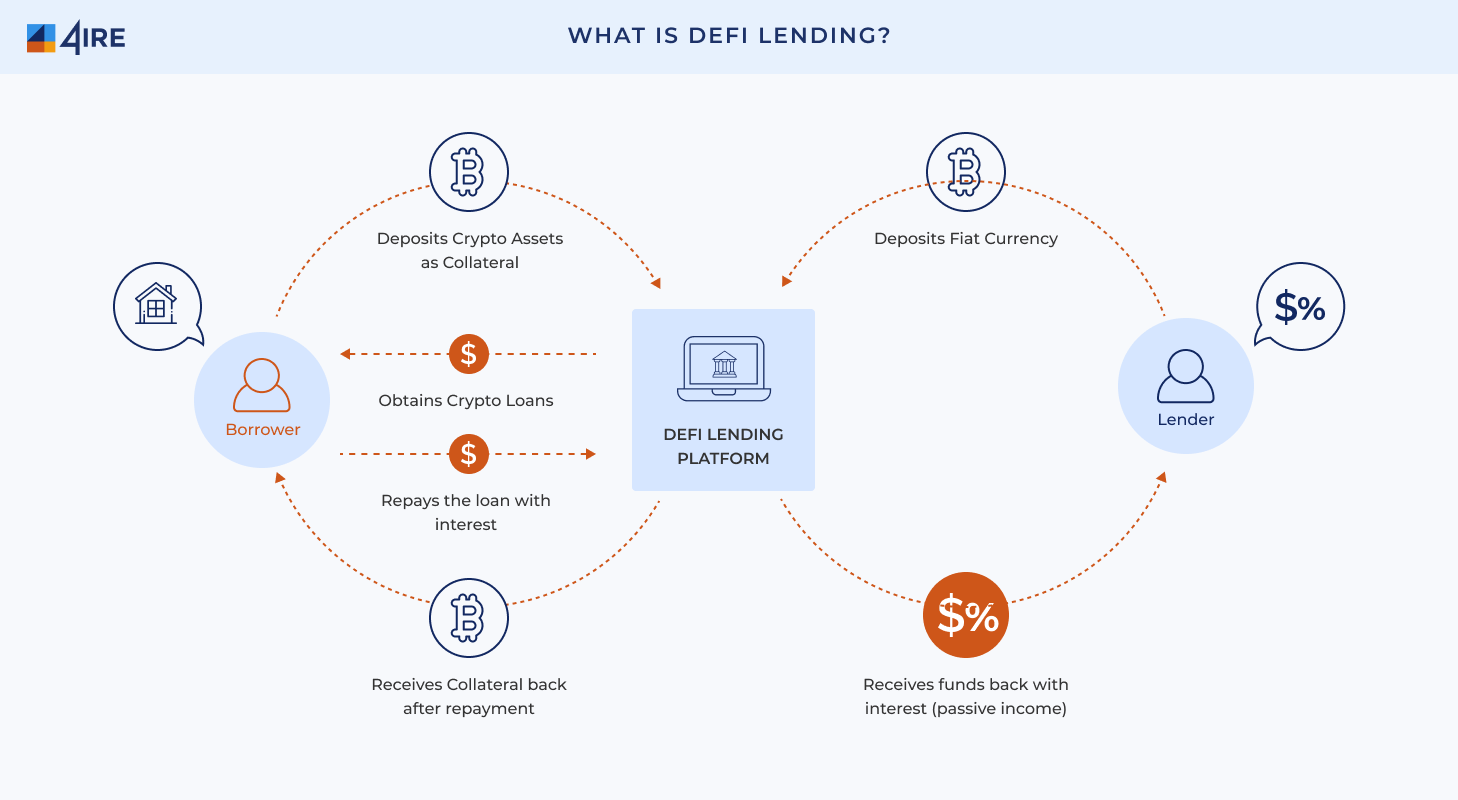
Collateralization is the primary safety net. Unlike traditional loans, DeFi credit is often over-collateralized. If a borrower’s collateral value drops below a certain threshold, the position is liquidated automatically. This smart contract enforcement removes counterparty risk. Lenders can assess risk based on the quality of the collateral and the borrower’s historical reliability, rather than their personal creditworthiness. This shifts the focus from who you are to what you have done with your assets.
Repayment history further refines these risk grades. While not all DeFi lending requires repayment (some positions are closed by liquidation), protocols track voluntary repayments to distinguish between solvent and distressed borrowers. A wallet that voluntarily repays debt during market downturns signals lower risk. This data is used to adjust interest rates and credit limits dynamically. The result is a credit system that is transparent, programmable, and accessible to anyone with a wallet.
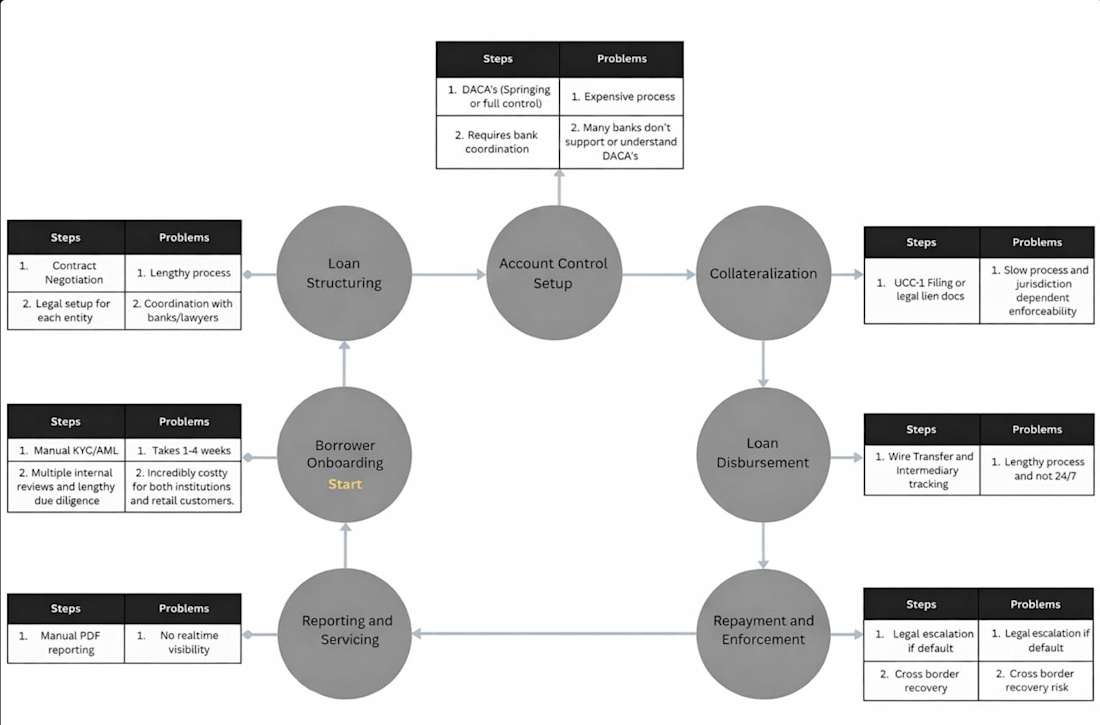
This shift is critical as the DeFi lending market expands. Outstanding loans grew 37% in 2025, and the conversation has shifted toward scalable models incorporating AI-driven credit scoring. By replacing KYC with on-chain history, protocols can serve a global user base without the friction of traditional identity checks. This creates a more inclusive and efficient credit market, where risk is assessed by data, not demographics.
Top platforms for DeFi credit scores 2026
Choosing a DeFi credit infrastructure provider depends on whether you prioritize institutional-grade underwriting or retail-accessible liquidity. The market has consolidated around a few key players that bridge the gap between pseudonymous wallets and traditional lending protocols. Below is a direct comparison of the leading platforms to help you select the right tool for your specific use case.
| Platform | Scoring Model | Supported Chains | Target Audience |
|---|---|---|---|
| ChainAware | Multi-dimensional graph analysis | Ethereum, Solana, Polygon | Institutional & Retail |
| Cred Protocol | Collateral + Cash-flow hybrid | Ethereum, Arbitrum | Institutional |
| Spectral | Behavioral on-chain history | Ethereum, Arbitrum, Optimism | Retail & Pro |
| DeFiScore | Portfolio risk heatmap | Ethereum, Arbitrum, Base | Retail |
ChainAware leads in institutional adoption by utilizing multi-dimensional graph analysis to map complex wallet relationships. This approach allows for higher credit limits on uncollateralized loans by identifying underlying asset flows rather than just static holdings. Their infrastructure supports Ethereum, Solana, and Polygon, making it a versatile choice for cross-chain lending protocols.
Cred Protocol focuses on a hybrid model that combines collateral value with real cash-flow analysis. By verifying on-chain revenue streams, Cred enables lending to active traders and DAOs that may not hold large static balances but generate consistent yield. This is particularly effective on Ethereum and Arbitrum, where DeFi yield strategies are most prevalent.
Spectral has carved out a strong niche in the retail and professional trading space. Their scoring model relies heavily on behavioral on-chain history, rewarding consistent repayment behavior and active participation in governance. Spectral’s integration with major lending markets like Aave and Compound makes it a default choice for users seeking uncollateralized borrowing without complex setup.
DeFiScore offers a more accessible entry point for retail users. Its portfolio risk heatmap provides a visual representation of credit health, making it easier for non-experts to understand their standing. With a free public API and support for Ethereum, Arbitrum, and Base, DeFiScore is ideal for developers building consumer-facing DeFi applications.
When selecting a platform, consider the liquidity depth of the underlying lending market. Institutional players like ChainAware and Cred often provide better rates for large volumes, while Spectral and DeFiScore offer smoother user experiences for smaller, retail-sized loans. Always verify the specific chain support and data source reliability before integrating any credit score provider into your financial strategy.
Building your on-chain credit profile
On-chain credit scores function less like a static report card and more like a living ledger of your financial discipline. Lending protocols such as DeFiScore and ChainAware evaluate wallet behavior to assign pseudonymous scores ranging from 300 to 850. To secure favorable terms, you must curate your transaction history to demonstrate reliability, liquidity, and risk awareness.
The most significant factor in your score is timely debt repayment. Borrow against your collateral and repay the principal before the deadline. Even a single missed payment on a protocol like Aave or Compound can trigger a sharp decline in your creditworthiness. Consistency here signals to lenders that you are a low-risk borrower.

Loan-to-Value (LTV) ratios reveal how much leverage you use relative to your assets. Keeping your LTV below 60% demonstrates conservative financial management. High leverage suggests desperation or overextension, which raises the risk premium lenders charge you. Aim for a buffer that protects you from liquidation during market volatility.
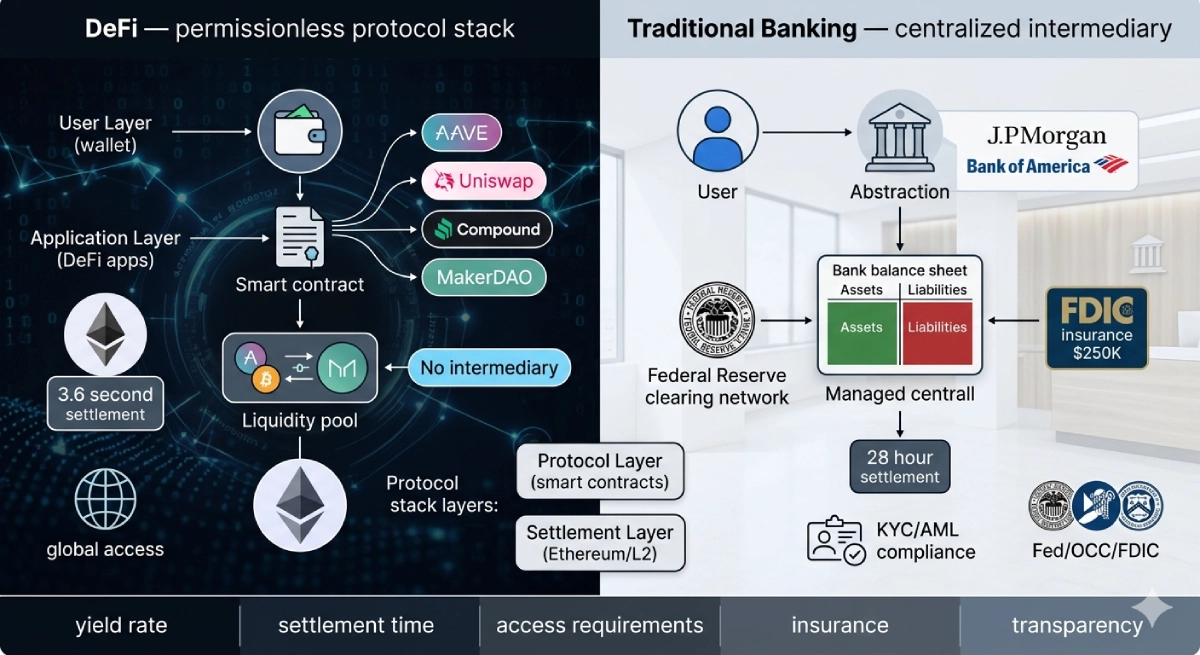
Lenders look for a mix of activities, not just borrowing. Regularly providing liquidity to decentralized exchanges (DEXs) or holding stablecoins in money market protocols shows you understand different asset classes. This diversity proves you are an active, sophisticated participant rather than a speculative gambler, which can boost your score.
While flash loans are powerful tools for arbitrage, they can negatively impact your credit profile. Many risk models view flash loan usage as a sign of high-risk, short-term speculation rather than sustainable financial behavior. Limit these transactions to avoid triggering automated risk flags that could lower your eligibility for traditional DeFi lending.
Building this profile requires patience. Your score updates in real-time as new blocks are confirmed, so every transaction counts. Focus on consistency over speed, and your pseudonymous identity will eventually unlock access to deeper liquidity pools.
Defi credit scores 2026: common: what to check next
On-chain scoring adapts traditional credit concepts to pseudonymous wallets. Below are answers to the most frequent questions about DeFi credit score ranges, rarity, and risk factors.
No comments yet. Be the first to share your thoughts!