Connect your wallet to a scoring protocol
Building an on-chain reputation requires linking your non-custodial wallet to a DeFi credit scoring infrastructure. This process is distinct from traditional credit checks because it relies on pseudonymous wallet activity rather than personal identity documents. You are not submitting a social security number; you are allowing a protocol to analyze your transaction history, loan repayment behavior, and asset holdings to generate a trust score.
The security of this connection is paramount. You must verify the protocol's official contract addresses and website domains before initiating any wallet signature. Phishing sites often mimic legitimate DeFi interfaces to steal private keys. Always cross-reference URLs with the protocol's verified documentation or official social channels to ensure you are interacting with the correct smart contract.
Select a protocol with a proven track record in the DeFi ecosystem. Look for platforms that aggregate data from major lending markets like Aave or Compound. Reputable providers include ChainAware, Credifi, and Kilt, which offer transparent scoring methodologies. Avoid obscure or new platforms that lack audited smart contracts or community verification.
Open your browser and go directly to the protocol's official website. Do not click links from unverified social media posts or emails. Bookmark the correct URL to prevent accidental navigation to lookalike sites in the future. Ensure your browser extension wallet (such as MetaMask or Rabby) is installed and configured for the correct network (e.g., Ethereum, Polygon, or Arbitrum).

Click the "Connect Wallet" button on the protocol's dashboard. Your wallet extension will prompt you to authorize the connection. Review the permissions carefully; a standard credit score connection should only request read-only access to your public address data. Never sign a transaction that asks you to approve unlimited token spending or transfer ownership of assets during the initial setup.

Once connected, the protocol will scan your wallet's on-chain history. You may be asked to sign a message to verify ownership of the address. This signature is typically free and does not move funds. It simply proves you control the wallet being scored. The protocol will then begin aggregating your transaction history, including loan repayments, stablecoin holdings, and interaction with decentralized applications.
After the initial scan, the dashboard will display your on-chain credit score. This score reflects your historical reliability in the decentralized finance space. Take note of the breakdown factors, such as payment history, credit utilization, and asset diversity. This score can now be used to unlock higher borrowing limits or lower interest rates on participating DeFi lending platforms.
Build transaction history for analysis
DeFi credit scores rely entirely on on-chain activity. Unlike traditional credit bureaus that pull data from banks, these models analyze your wallet's public ledger. To generate a viable score, you must execute specific transactions that demonstrate financial discipline and liquidity management.
Scoring algorithms prioritize consistency over volume. A few well-timed, on-time actions carry more weight than frequent, erratic trades. Focus on establishing a clean, predictable pattern of interaction with lending protocols.
Execute DEX swaps to show liquidity
Start by providing liquidity or executing swaps on decentralized exchanges (DEXs). This activity signals that you understand market mechanics and can manage asset volatility. Regular, moderate-volume swaps are preferable to large, sporadic transfers, which may trigger fraud detection heuristics.

Navigate to a reputable decentralized exchange like Uniswap or Curve. Execute a small-to-medium swap between major stablecoins or blue-chip assets. Avoid high-risk, low-liquidity tokens, as these can negatively impact your risk profile. Consistency here matters more than profit.
Deposit assets into established lending protocols such as Aave or Compound. This action creates your initial on-chain collateral. Ensure you deposit assets that are widely accepted by scoring models. A healthy collateralization ratio is the foundation of your creditworthiness.
Borrow against your collateral and repay the position promptly. On-time repayments are the single strongest positive signal for credit scoring algorithms. Early repayments further demonstrate financial stability. Avoid maxing out your borrow limits; maintain a buffer to show prudent risk management.
Maintain consistent activity
Scoring models look for longitudinal data. A single transaction is insufficient. Spread your activity over several weeks or months to establish a track record. Sudden spikes in activity can be interpreted as manipulation or distress. Steady, moderate engagement builds a more robust and trustworthy reputation profile.
Compare scoring platforms and their metrics
Not all on-chain reputation systems are built the same. Choosing a scoring platform requires understanding how each protocol weights data sources, handles privacy, and integrates with lending markets. While some platforms prioritize raw on-chain volume, others focus on consistent repayment behavior across diverse DeFi activities.
The following comparison outlines the core mechanics of three major 2026 platforms: ChainAware, Spectral, and Cred Protocol. Each uses a distinct approach to translate pseudonymous wallet activity into a creditworthiness signal.
ChainAware: Multi-Chain Aggregation
ChainAware aggregates data across multiple blockchains, providing a holistic view of a user's financial activity. Its use of zero-knowledge proofs allows users to prove creditworthiness without exposing every transaction detail. This approach balances transparency with the privacy expectations of DeFi participants.
Spectral: Payment History Focus
Spectral emphasizes consistent payment behavior. By analyzing on-chain payment history and wallet age, it creates a score that reflects long-term reliability. This model is particularly useful for users who may not have large asset balances but demonstrate consistent engagement with DeFi protocols.
Cred Protocol: Governance and Repayment
Cred Protocol incorporates governance participation and gas fee consistency into its scoring model. This rewards active community members who contribute to the ecosystem's health. Its focus on historical loan repayments makes it a strong choice for users with a proven track record in specific lending markets.
Avoid common on-chain reputation mistakes
Building a DeFi credit score requires treating your wallet address like a public ledger of financial discipline. Unlike traditional credit, where a single missed payment can linger for years, on-chain reputation is updated in real time by protocol smart contracts. One careless transaction can reset months of progress. The following behaviors are the most common ways to tank your score before you even secure a loan.
High leverage and frequent liquidations
Overleveraging is the fastest way to signal risk to credit algorithms. When you borrow against your assets with a low collateralization ratio, you increase the probability of liquidation. Protocols that track your history penalize you not just for the liquidation event, but for the stress you place on the system. A single liquidation can drop your score significantly, while multiple events may blacklist you from future lending markets. Always maintain a healthy buffer above the minimum threshold required by the protocol.
Interacting with flagged or high-risk contracts
Your reputation is tied to the contracts you interact with. Many DeFi credit scoring models now aggregate data from across the ecosystem. If you interact with a protocol that has been flagged for security vulnerabilities, rug pulls, or regulatory issues, your score may drop automatically. This is because such interactions suggest a lack of due diligence or exposure to high-risk behavior. Stick to audited, established protocols with long track records to protect your on-chain identity.
Ignoring debt-to-income ratios
Even in decentralized finance, your ability to repay matters. Credit scores increasingly factor in your cash flow relative to your outstanding debt. If your borrowing exceeds your verified income or yield generation, lenders view you as a high-risk borrower. Regularly review your open positions and ensure your assets can cover your obligations. Avoid taking on new debt if your existing liabilities are already consuming a large portion of your portfolio’s value.
Neglecting transaction history consistency
Consistency builds trust. Sporadic activity—such as borrowing large sums and repaying them irregularly—creates noise in your credit profile. Lenders prefer borrowers who demonstrate predictable, responsible behavior over time. Maintain a steady pattern of borrowing and repayment, and avoid sudden, large withdrawals that might trigger risk flags. Your on-chain history is your resume; make it look professional.
Use your score to access better loan terms
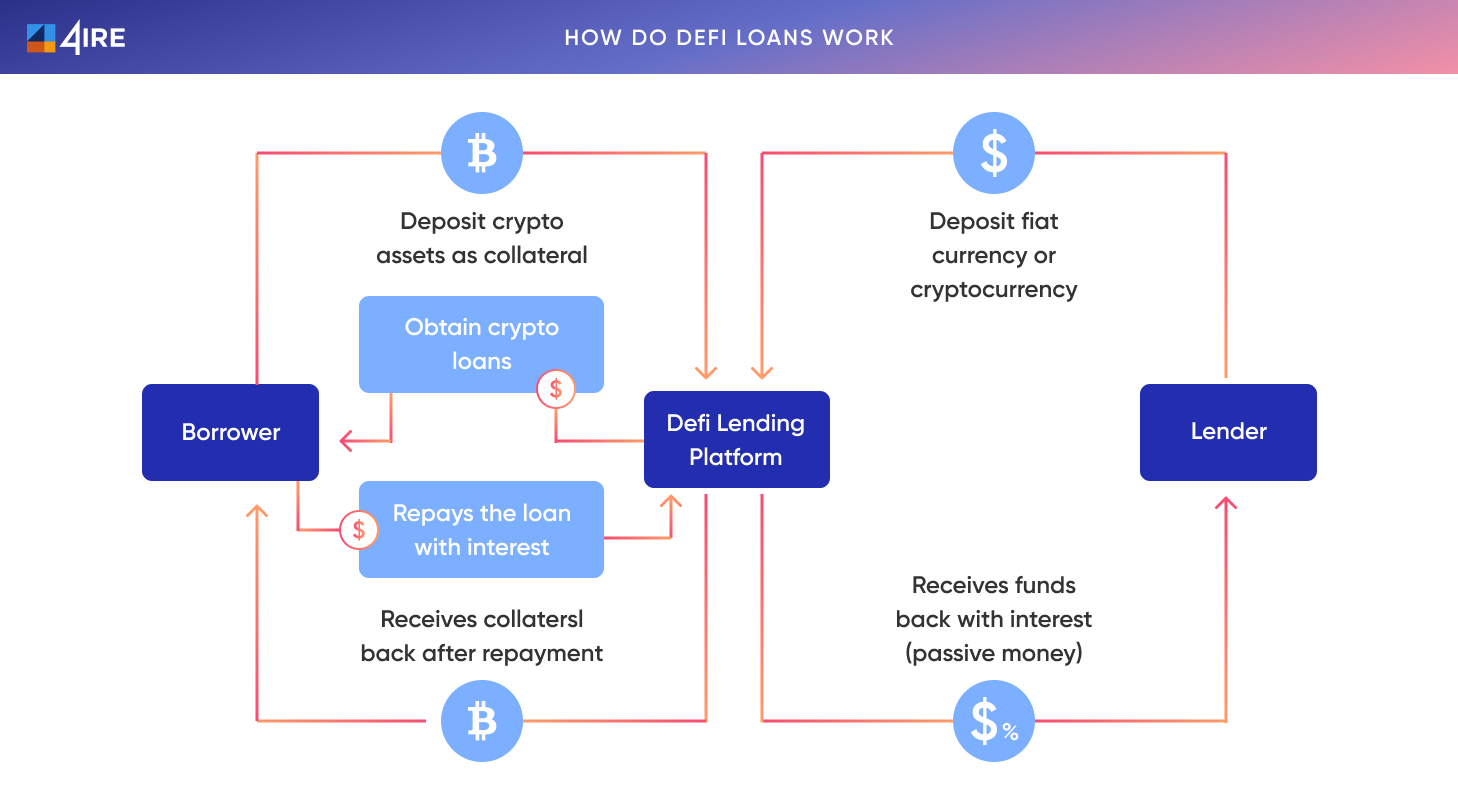
A high on-chain reputation is not just a badge; it is a leverage tool. In decentralized finance, reputation translates directly into capital efficiency. Lenders use verified credit scores to assess risk without exposing your identity, allowing you to borrow against assets at lower interest rates or access higher limits than traditional over-collateralized models offer.
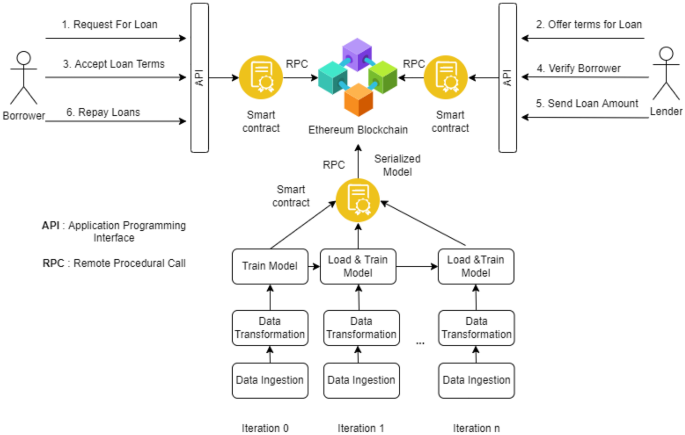
The mechanism is simple: you connect your wallet to a lending protocol that integrates a credit scoring oracle. The protocol reads your on-chain history—payment consistency, debt-to-income ratios, and asset stability—and adjusts your loan terms in real-time. This process is non-custodial and privacy-preserving, meaning no personal data leaves your device, yet the lender gains enough confidence to offer competitive rates.
1. Verify Score Visibility
Before applying, ensure your credit score is public and readable by the target protocol. Most DeFi credit platforms require you to publish your score on-chain or via a zero-knowledge proof to make it accessible. If your score is private, lenders cannot see it, and you will be treated as an anonymous borrower with standard, higher rates.
2. Check Lender Acceptance
Not all protocols accept credit scores. Navigate to the lending platform’s dashboard and review their accepted collateral and reputation sources. Look for explicit mentions of integrated credit oracles in their documentation. Using an unsupported score provider will result in immediate rejection or a fallback to basic over-collateralization.
3. Compare APRs Across Providers
Interest rates vary significantly based on how aggressively a protocol values on-chain reputation. Use a comparison tool or check multiple lending markets to find the best offer. A higher score might yield a 2% lower APR on one platform but have no impact on another. Always calculate the total cost of borrowing, including fees, before committing.
4. Confirm Collateral Requirements
Even with a strong credit score, you will likely need to provide some collateral. However, a good reputation can reduce the required collateralization ratio. For example, instead of depositing 150% of the loan value, a high-score borrower might only need 110%. This frees up capital for other investments. Always review the specific risk parameters for your asset class.
5. Execute the Borrowing Transaction
Once you select a lender, connect your wallet and initiate the loan. The smart contract will automatically verify your score, calculate your terms, and issue the funds if approved. Review the transaction details carefully, ensuring the interest rate and collateral ratio match your expectations before signing.
Frequently asked questions about DeFi credit
DeFi credit scoring operates on a fundamentally different architecture than traditional banking. Below are the technical realities regarding privacy, portability, and regulatory impact.
No comments yet. Be the first to share your thoughts!