Get DeFi credit scores right
Before you borrow, you need to understand that DeFi credit scores are not FICO scores. Traditional credit bureaus rely on identity verification and centralized history. DeFi reputation systems rely on on-chain activity: your transaction history, collateral health, and repayment consistency across protocols. This distinction matters because a high on-chain score does not automatically transfer between lending platforms.
Start by verifying which protocol calculates the score. Some platforms use proprietary algorithms, while others integrate third-party oracles like Chainlink or specialized DeFi credit agencies. If a protocol does not disclose its scoring methodology, treat the resulting "score" as a black box. Without transparency, you cannot improve it.
Next, ensure your wallet history is clean. DeFi reputation systems often penalize failed transactions, slippage errors, or interactions with flagged contracts. Before applying for a loan, audit your wallet for any unresolved positions or expired approvals. A cluttered transaction history can lower your perceived reliability, even if your collateral is sufficient.
Finally, test the system with a small position. Lending terms and score thresholds change as protocols adjust their risk parameters. By borrowing a minimal amount first, you can verify that your on-chain reputation is correctly recognized and that the interest rates align with your expectations. This step prevents costly mistakes when scaling up to larger positions.
Build your non-custodial credit profile
Establishing a DeFi credit score requires you to treat your on-chain history as financial identity. Unlike centralized credit bureaus, these scores rely on transparent transaction data across multiple blockchains. Follow these steps to construct a reputation that lenders can verify without compromising your privacy.
Start by consolidating your activity from major networks like Ethereum, Arbitrum, and Polygon. Credit scoring protocols pull data from your public address to analyze your transaction history. Ensure your wallets are active and show consistent usage patterns. Lenders look for a track record of regular interactions with decentralized exchanges and lending protocols rather than dormant accounts.
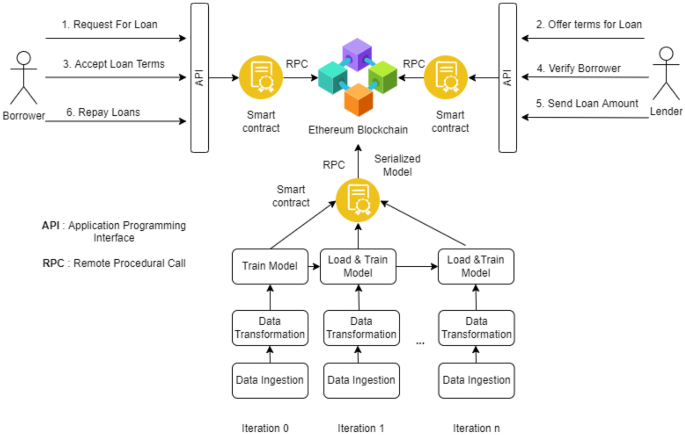
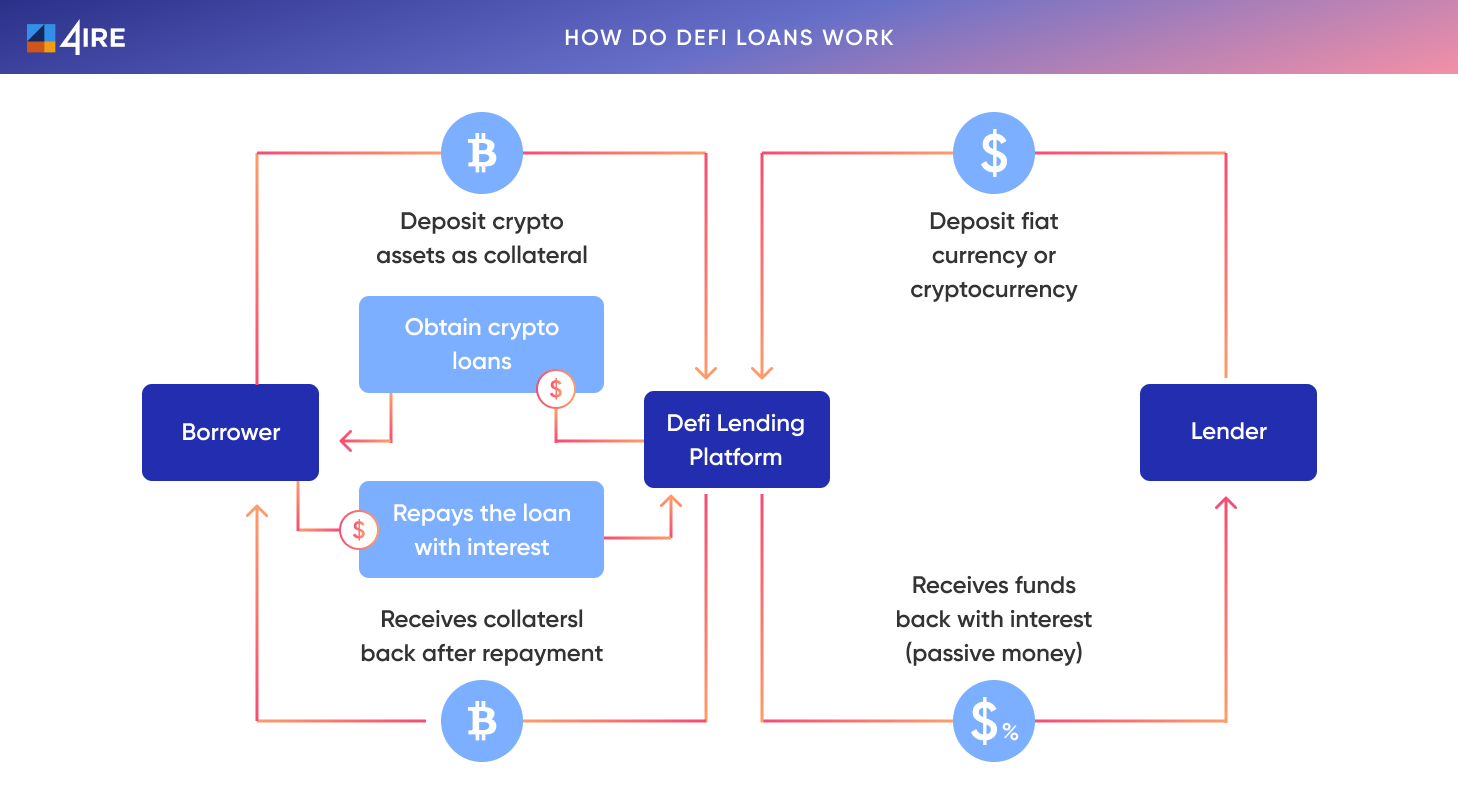
Your repayment history is the strongest signal for your credit score. Borrow against your collateral and repay the loan before the deadline. Successful repayments on platforms like Aave or Compound demonstrate reliability. Avoid late payments or liquidations, as these negative events are permanently recorded on the blockchain and will lower your score significantly.
Link your wallet to decentralized identity providers like Gitcoin Passport or World ID. These tools verify that you are a unique human and not a sybil attacker. This verification step adds a layer of trust to your profile, allowing lenders to differentiate between sophisticated bots and genuine users. A verified identity often unlocks higher credit limits and better interest rates.
Lenders prefer users who engage with the broader ecosystem. Interact with various protocols, including staking platforms, NFT marketplaces, and governance tools. This diversity shows you are an active participant in the decentralized economy. A varied history reduces the risk profile associated with relying on a single protocol or asset class.

Use a DeFi credit scoring aggregator to view your final score. These dashboards compile data from your various interactions into a single metric. Review your score regularly to identify areas for improvement. If your score is low, focus on increasing your repayment consistency and expanding your network of verified connections.
-
Consolidate wallet activity across at least two major chains
-
Repay at least three on-chain loans in full before deadlines
-
Link wallet to a recognized decentralized identity provider
-
Interact with three different protocol categories (lending, staking, governance)
-
Verify current credit score on a primary aggregator dashboard
The goal is to create a verifiable, non-custodial reputation that translates into tangible lending advantages. By following this sequence, you build a profile that is both transparent and trustworthy to decentralized lenders.
Fix common mistakes
Even with sophisticated on-chain reputation systems, users frequently undermine their own creditworthiness through avoidable errors. A DeFi credit score is not a static number; it is a dynamic reflection of your behavior across multiple protocols. When you treat these scores like traditional credit cards—maxing out limits or ignoring repayment schedules—you trigger the same penalty mechanisms, often with faster and more irreversible consequences.
The most common error is assuming that a high score in one ecosystem guarantees liquidity in another. While protocols like Kava are beginning to bridge this gap using AI-powered analysis, most reputation data remains siloed. If you only interact with a single lending platform, your score will not reflect your broader financial health. Lenders looking at your aggregated on-chain history will see a narrow, potentially misleading profile, resulting in higher interest rates or rejected applications.
Another critical mistake is failing to manage debt-to-income ratios across your portfolio. In DeFi, your "income" is often the yield generated by your collateral or your regular staking rewards. If you borrow against assets that are currently generating negative yield or are highly volatile, your effective loan-to-value ratio can spike unexpectedly. This doesn't just lower your score; it exposes you to immediate liquidation. Always model your debt service obligations against the worst-case market scenarios, not the current average.
Finally, neglecting to maintain a clean transaction history can silently degrade your reputation. Frequent small interactions with high-risk or unverified contracts can flag your wallet as speculative or risky, even if your primary lending behavior is sound. Auditors and AI models look for patterns of instability. Keep your primary lending wallets clean, avoid interacting with obscure or unaudited protocols, and ensure your repayments are made on time, every time. Your on-chain identity is your collateral; treat it with the same care as your fiat assets.
Defi credit scores: what to check next
Before committing capital to non-custodial lending protocols, it helps to separate traditional credit myths from on-chain realities. DeFi credit scoring relies on on-chain behavior rather than bank statements, meaning the risks and metrics differ significantly from Web2.
No comments yet. Be the first to share your thoughts!