
AI Credit Scoring Limits in DeFi
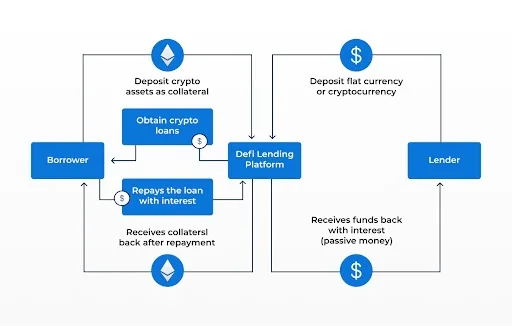
AI credit scoring in DeFi is not a magic wand. It is a mechanism for processing non-traditional data to assess risk where history is missing. The primary constraint is not the algorithm's complexity, but the quality and relevance of the input data. Lenders must decide which signals—transaction history, on-chain behavior, or off-chain identity—actually predict repayment.
The World Economic Forum notes that integrating diverse, real-time data points can improve approval rates and extend credit to previously overlooked groups, such as gig economy workers or recent immigrants WEF. However, this inclusion comes with a trade-off: higher data dependency means higher privacy risks and potential bias if the training data is unrepresentative.
Experian highlights that AI models evaluate applicants based on alternative data streams rather than just FICO scores Experian. In DeFi, this translates to analyzing wallet activity, stablecoin holdings, and interaction patterns with other protocols. The constraint here is interpretability. If an AI denies a loan, the borrower often cannot appeal because the decision logic is opaque. This lack of transparency is a significant barrier to adoption for traditional finance users entering the space.
Ultimately, the constraint is regulatory and ethical. DeFi protocols must balance the efficiency of AI-driven underwriting with the need for fair, explainable lending decisions. Without clear standards, the risk of systemic bias or data misuse remains high.
AI Credit Scoring Choices That Change the Plan
Use this section to make the How AI-Driven Credit Scoring is Revolutionizing DeFi Lending decision easier to compare in real life, not just on paper. Start with the reader's actual constraint, then separate must-have requirements from details that are merely nice to have. A practical choice should survive normal use, maintenance, timing, and budget. If a recommendation only works in an ideal situation, call that out plainly and give the reader a fallback path.
| Factor | What to check | Why it matters |
|---|---|---|
| Fit | Match the option to the primary use case. | A good deal still fails if it does not fit the job. |
| Condition | Verify age, wear, and service history. | Hidden condition issues erase upfront savings. |
| Cost | Compare purchase price with likely upkeep. | The cheapest option is not always the lowest-cost option. |
How to Choose an AI Credit Scoring Tool
Selecting the right infrastructure for AI-driven credit scoring requires balancing risk management with regulatory compliance. Unlike traditional FICO models, these systems ingest alternative data—such as cash flow patterns, utility payments, and transaction history—to evaluate borrowers who lack a credit history. This shift enables lenders to approve more applicants while maintaining strict risk controls.
When evaluating providers, focus on three concrete areas: data integration capabilities, model explainability, and security standards. The following steps outline the practical checks you should perform before committing to a platform.

Traditional scores rely on limited historical data. Look for platforms that connect directly to open banking APIs and utility payment networks. These sources provide real-time cash flow visibility, which is essential for assessing the creditworthiness of gig workers, immigrants, and young adults who are often overlooked by legacy systems.
AI models can act as black boxes, making it difficult to explain why an application was denied. Ensure the tool provides clear, auditable reasons for each decision. Regulatory bodies increasingly require transparency, so your chosen platform must generate detailed reports that break down the specific factors influencing the score.
Handling sensitive financial data demands robust security protocols. Verify that the provider adheres to GDPR, CCPA, and other relevant data protection laws. Look for features like data encryption, access controls, and regular third-party security audits to protect both your institution and your borrowers.
Your lending workflow should not be disrupted by complex onboarding. Choose a tool with pre-built API integrations for your existing loan management system. Smooth integration reduces deployment time and allows your team to start leveraging AI insights immediately without extensive custom development.
By following this framework, you can select a solution that not only improves approval rates but also builds trust with your borrowers through fair and transparent lending practices.
Spotting the Weak Options
AI-driven credit scoring promises to unlock DeFi lending for the unbanked, but the reality is often more complex. While models can integrate diverse data points to improve approval rates, not all platforms deliver on this promise. Many solutions rely on superficial features that fail to address the core challenges of risk assessment in decentralized environments.
When evaluating these tools, look for concrete evidence of how they handle data privacy and model transparency. Avoid platforms that make broad claims about "revolutionizing" lending without detailing their underwriting logic. The most effective solutions provide clear, auditable metrics rather than vague assurances of inclusion.
A common mistake is assuming that higher AI integration automatically equals better risk management. In practice, sophisticated models can sometimes obscure bias or create new vulnerabilities. Always prioritize platforms that offer transparent data sources and clear explanations of their scoring criteria.
AI Credit Scoring: What to Check Next
AI credit scoring uses machine learning to evaluate loan risk by analyzing both traditional financial history and alternative data points, such as cash flow patterns or utility payments. This approach allows DeFi protocols to assess borrowers who lack a conventional credit score, effectively expanding access to capital for gig workers and new entrants.
The primary advantage is speed and inclusivity. By processing real-time data, AI models can approve applications in seconds rather than days. However, this speed comes with trade-offs. Algorithms can inadvertently perpetuate historical biases if the training data reflects past discrimination. Lenders must actively audit these models to ensure fairness, a challenge that remains central to responsible deployment.
Data privacy is another critical concern. AI systems require vast amounts of personal information to function accurately. Borrowers should verify how their data is stored and who has access to it. Reputable DeFi platforms typically use zero-knowledge proofs or encrypted data streams to protect user identity while still allowing the AI to assess risk.
Regulatory compliance varies by jurisdiction. While some regions embrace AI-driven underwriting, others impose strict rules on algorithmic transparency. Borrowers and lenders alike must stay informed about local regulations to avoid legal pitfalls. As the technology matures, standardizing these practices will be essential for widespread adoption in decentralized finance.
No comments yet. Be the first to share your thoughts!