

What crypto credit scores measure in 2026
The transition from traditional FICO-based lending to on-chain behavioral scoring marks a structural shift in how financial risk is assessed. In 2026, "crypto credit scores 2026" refer to the quantitative evaluation of counterparty risk using immutable blockchain data rather than centralized credit bureau history. This mechanism allows lenders to verify solvency and repayment capacity in real time, reducing reliance on opaque financial statements.
Agio Ratings and similar institutional frameworks define these scores by analyzing wallet balances, transaction flows, and reserve composition. Unlike traditional credit reports, which lag behind actual financial health, on-chain data provides a live snapshot of liquidity and leverage. This transparency is critical for institutions navigating the complexities of decentralized finance (DeFi) lending, where collateral volatility can rapidly alter risk profiles.
The primary function of a crypto credit score is to bridge the gap between off-chain regulatory requirements and on-chain asset management. By tapping into blockchain data, lenders can render DeFi lending more robust and inclusive, as noted in academic analyses of crypto-native credit scoring. This approach does not merely replicate traditional credit metrics; it augments them with behavioral signals that reflect actual asset utilization and repayment discipline.
This shift requires a rigorous understanding of on-chain metrics. A high score in this context indicates not just the absence of default, but the presence of consistent, verifiable financial behavior. As the market matures, these scores will increasingly serve as the primary gatekeeper for institutional capital entering the crypto space, demanding a level of transparency that traditional credit systems cannot provide.
On-chain history as the new credit report
Traditional credit reporting relies on centralized income verification and static debt-to-income ratios. In the 2026 DeFi landscape, crypto credit scores replace these conventional inputs with real-time on-chain history. Agio Ratings and Fitch note that institutional risk assessment now augments traditional counterparty metrics with granular blockchain data, including wallet balances, transaction flows, and reserve composition. This shift allows lenders to evaluate solvency based on observable liquidity rather than reported income.
The mechanics of on-chain scoring mirror traditional credit bureau models but operate with higher frequency and transparency. Instead of annual credit checks, lenders monitor wallet activity continuously. A wallet with consistent inflows, low outgoing volatility, and healthy reserve ratios signals reliability. This approach renders DeFi lending more robust by bridging the gap in risk assessment for crypto-native borrowers who lack traditional financial footprints.
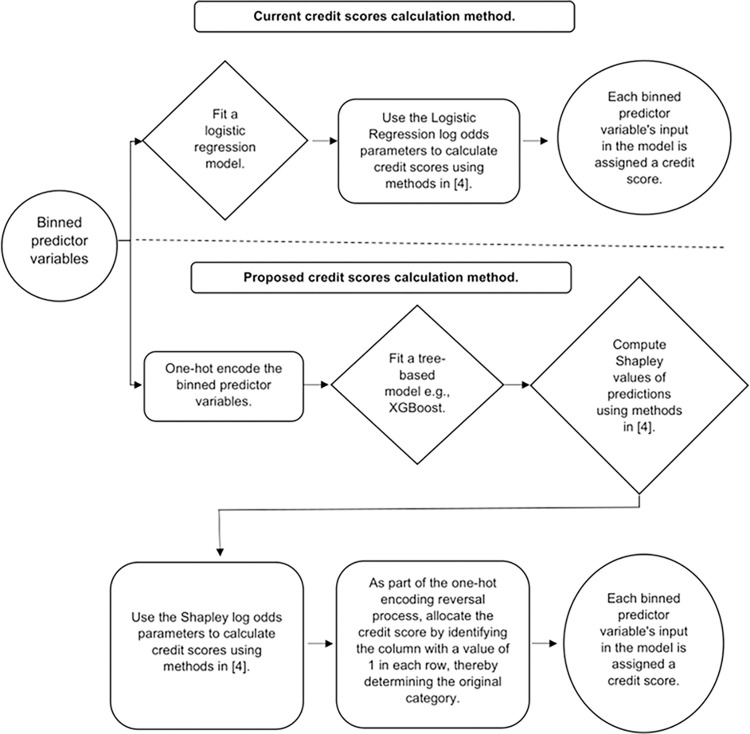
This transition requires a fundamental rethinking of creditworthiness. Where a traditional report might show a single credit utilization snapshot, on-chain history provides a longitudinal view of financial behavior. Lenders can now distinguish between temporary liquidity crunches and structural insolvency by analyzing transaction patterns over time. This depth of data supports more accurate pricing of risk in decentralized markets.
DeFi lending without collateral: the 2026 shift
The transition from overcollateralized loans to credit-based lending marks a structural pivot in decentralized finance. Historically, crypto borrowing required borrowers to lock up assets worth more than the loan amount, removing traditional credit checks but tying up capital inefficiently. By 2026, on-chain credit scores have begun to replace these rigid collateral requirements, allowing borrowers to access liquidity based on their historical transaction behavior and repayment history rather than asset deposits.
This shift enables a more capital-efficient market where creditworthiness is derived from on-chain activity. Protocols are increasingly integrating data from credit scoring entities to assess risk dynamically. This allows for uncollinated or undercollinated loans, mirroring traditional finance credit lines but executed via smart contracts. The move toward credit-based lending reduces the friction for borrowers who hold illiquid assets or prefer not to immobilize their capital during loan terms.
The market opportunity is significant, with the Bitcoin-backed loan market already exceeding $3 billion in size. Industry leaders argue this figure is merely the precursor to a much larger credit revolution, potentially reaching trillions as on-chain credit becomes the standard. This growth is driven by the demand for liquidity without the need for excessive collateralization, creating a new asset class for lenders and a more flexible borrowing experience for users.
As regulatory frameworks clarify the status of on-chain credit data, institutional participation is expected to increase. Lenders are better positioned to price risk accurately, while borrowers benefit from lower costs and greater flexibility. This evolution from collateral-heavy to credit-based models represents a maturation of DeFi, aligning it more closely with traditional financial instruments while retaining the transparency and efficiency of blockchain technology.
Regulatory hurdles and risk assessment
The integration of on-chain history into credit scoring operates within a market defined by extreme volatility and evolving compliance requirements. Unlike traditional credit bureaus, crypto credit models must navigate a landscape where asset prices can shift dramatically in minutes, directly impacting debt-to-income ratios and collateral stability. This volatility forces lenders to adopt more conservative underwriting standards and frequent re-evaluations of borrower risk profiles.
Compliance remains the most significant barrier to entry for mainstream adoption. Financial institutions must adhere to strict Anti-Money Laundering (AML) and Know Your Customer (KYC) regulations, which often conflict with the pseudonymous nature of blockchain transactions. In 2026, regulatory bodies are increasingly scrutinizing the source of on-chain funds, requiring credit scoring platforms to implement robust transaction monitoring systems to flag suspicious activity before it impacts a user's creditworthiness.
The scale of illicit activity further complicates risk assessment. According to the 2026 Crypto Crime Report by TRM Labs, illicit crypto volume reached an all-time high of USD 158 billion in 2025, representing a 145% increase from the previous year. This surge underscores the difficulty of distinguishing between legitimate credit behavior and potential money laundering or fraud. Lenders must now incorporate advanced analytics to filter out tainted assets, ensuring that credit scores reflect genuine financial responsibility rather than obscured illicit flows.
Official rating agencies are beginning to address these challenges. Fitch Ratings, for instance, has expanded its coverage of digital assets to include stablecoin issuers and crypto-native financial products. Their daily short-term ratings provide a benchmark for assessing the solvency and operational integrity of entities involved in the crypto lending ecosystem. For borrowers, understanding how these traditional ratings intersect with on-chain behavior is essential, as institutional lenders increasingly rely on these external validations to mitigate risk in high-stakes lending scenarios.
No comments yet. Be the first to share your thoughts!