
How Crypto Credit Scores Work in 2026
The 2026 regulatory landscape for DeFi lending has fundamentally altered how digital asset activity translates into a credit profile. Previously, on-chain behavior was largely invisible to traditional credit bureaus. Now, with stricter data-sharing mandates and standardized reporting protocols, your lending and borrowing history on major protocols is becoming a primary factor in your financial identity.
This shift means that responsible DeFi participation can now build a legitimate credit profile. However, it also introduces new risks. Volatile collateral values and smart contract failures can instantly damage your score if not managed with strict risk controls. Understanding the specific metrics used by new rating agencies like gio Ratings and Fitch is essential.
Your crypto credit score is no longer just a theoretical concept. It is a tangible asset that will determine your access to capital in both traditional and decentralized finance. Focus on maintaining healthy loan-to-value ratios and avoiding excessive leverage to protect your standing.
Tradeoffs in 2026 Crypto Credit Models
The 2026 regulatory landscape for decentralized finance (DeFi) lending is shifting from a "trust the code" model to one where on-chain behavior is quantified. For borrowers, this means your credit score is no longer just a theoretical construct but a tangible metric that influences your borrowing power. However, adopting these new scoring models involves specific tradeoffs between privacy, cost, and accessibility that you need to evaluate before committing capital.
Collateral Efficiency vs. Privacy
Traditional credit scores rely on centralized data, whereas crypto credit scores are derived from your on-chain history. The primary tradeoff here is transparency. To achieve a high score, you must link your wallet addresses to a scoring protocol, exposing your transaction history to the rating agency.
While this removes the need for a Social Security Number, it eliminates financial privacy. A high score might grant you lower interest rates, but it also makes your portfolio visible to lenders and potentially malicious actors if the scoring service is breached. You are trading anonymity for access.
Debt-to-asset ratio limits to account for
In 2026, lenders are enforcing stricter Debt-to-Asset (DTA) ratios to mitigate systemic risk. Unlike traditional banks that may overlook minor delinquencies, DeFi protocols often use automated liquidation bots. A "good" crypto credit score now requires maintaining a lower LTV (Loan-to-Value) ratio than in previous years.
This means you must lock up more of your assets as collateral to borrow the same amount. The tradeoff is liquidity: your capital is tied up and earning nothing while you service the loan, whereas a lower score might have allowed you to borrow less but keep more assets liquid.
Protocol Risk and Regulatory Compliance
Not all scoring models are created equal. Some protocols comply with new 2026 regulations by integrating KYC (Know Your Customer) checks, while others remain permissionless. The tradeoff here is security versus convenience.
KYC-compliant scoring models offer greater legal protection and lower counterparty risk, but they require personal identification. Permissionless models offer speed and privacy but carry higher risk of smart contract exploits and regulatory crackdowns. Your score in one model may not transfer to another, fragmenting your credit history across different ecosystems.
Cost of Verification
Obtaining and maintaining a high crypto credit score often requires paying fees for on-chain verification services or locking tokens in staking pools to demonstrate commitment. This adds a layer of cost that traditional credit scores do not have.
You must weigh whether the interest savings from a higher score justify the upfront and ongoing costs of verification. For small loans, the fees may outweigh the benefits, making traditional bank loans more economical despite their slower processing times.
Comparison of 2026 Scoring Models
The following table compares the key tradeoffs of the leading crypto credit scoring approaches emerging in 2026.
| Model Type | Privacy Level | Verification Cost | Lender Access |
|---|---|---|---|
| KYC-Compliant | Low (ID Required) | Medium (Fees) | Broad (Institutional & DeFi) |
| Permissionless On-Chain | High (Wallet Only) | Low (Gas Fees) | Limited (DeFi Only) |
| Hybrid Social-Recovery | Medium (Partial Anon) | High (Staking) | Moderate (Niche Protocols) |
Market Context
Understanding the broader market volatility is essential when evaluating these tradeoffs. Crypto-backed loans are highly sensitive to asset price swings, making real-time market data critical for risk management.
How to evaluate crypto lending platforms under new rules
New DeFi lending regulations shift the focus from anonymous code audits to transparent counterparty risk. Your crypto credit score is no longer just a number; it is a reflection of how these platforms manage liquidity, collateral, and regulatory compliance. To protect your capital, you need a decision framework that prioritizes verifiable data over marketing promises.
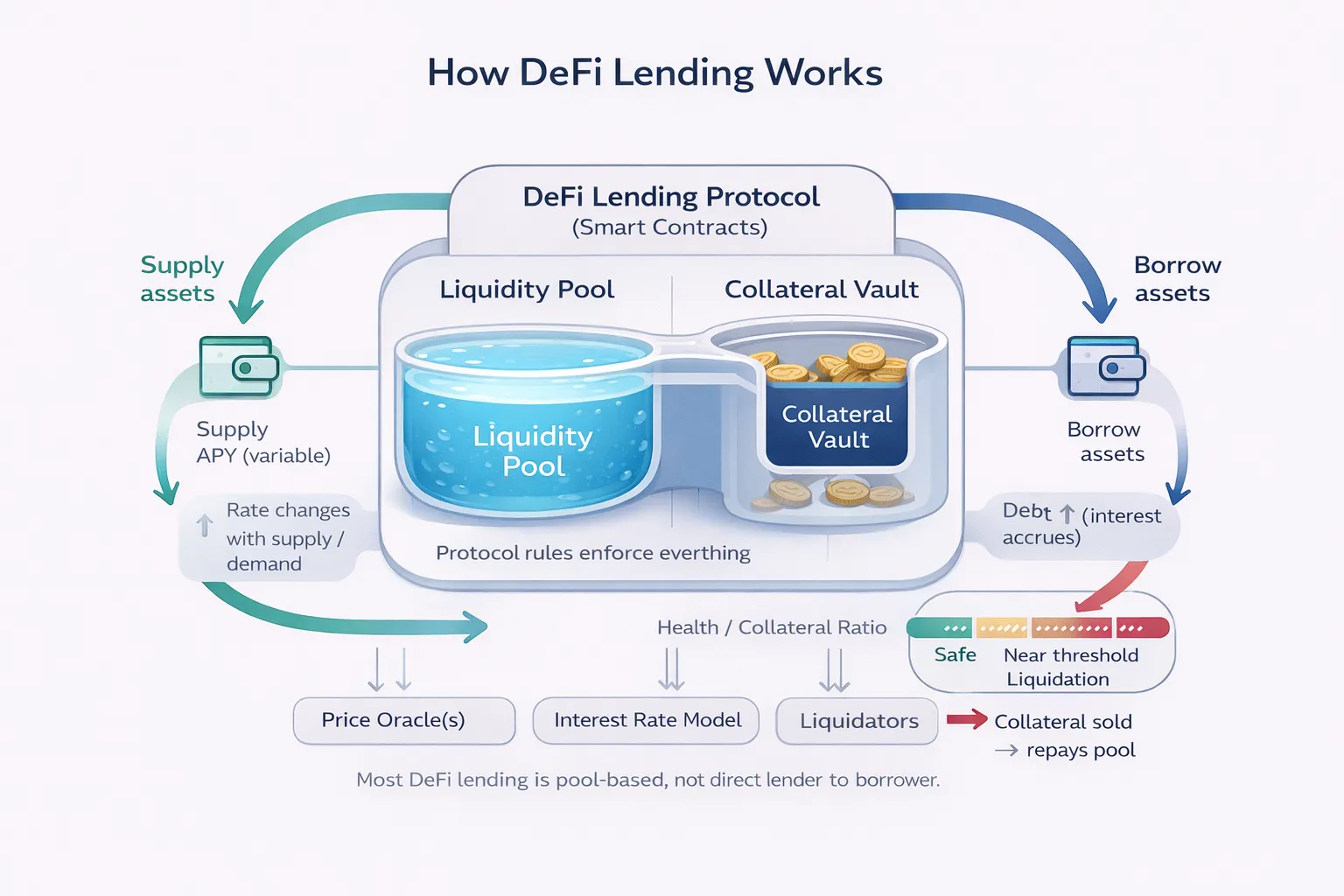
Prioritize platforms that publish real-time, on-chain risk metrics. Services like gio Ratings offer daily-updated credit ratings and counterparty risk scores based on actual blockchain data rather than self-reported figures. This transparency allows you to see the true health of a lending pool before depositing funds.
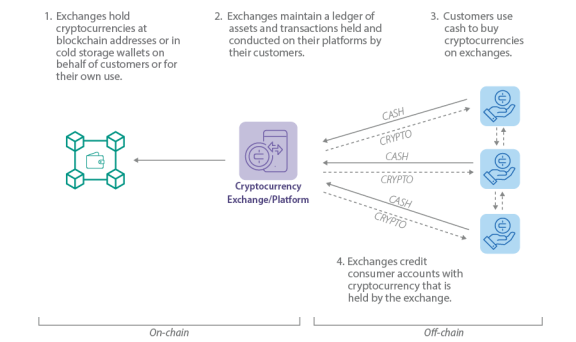
Check if the platform adheres to 2026 regulatory standards. Look for institutions that have undergone formal audits and comply with new reporting requirements. Fitch Ratings and similar agencies provide insights into how digital asset firms are navigating these challenges, helping you distinguish between compliant entities and risky operators.
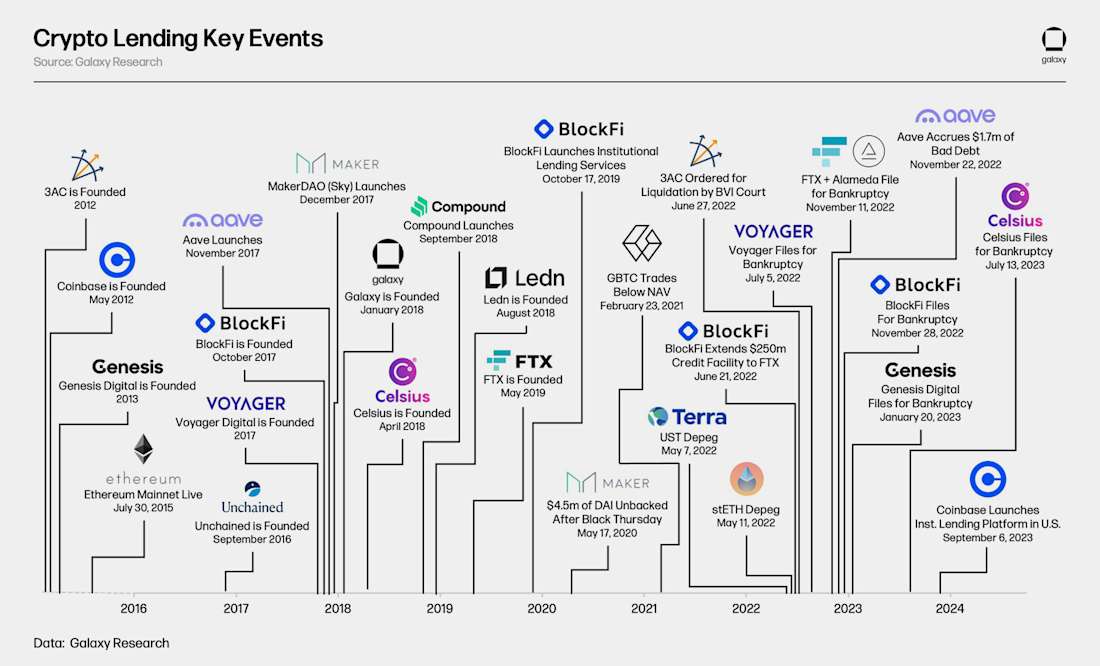
Evaluate how much collateral is required to borrow against your assets. Higher ratios reduce liquidation risk but lower your capital efficiency. Under new rules, platforms may adjust these ratios dynamically based on market volatility. Choose a platform that offers flexible ratios tailored to your risk tolerance and asset type.
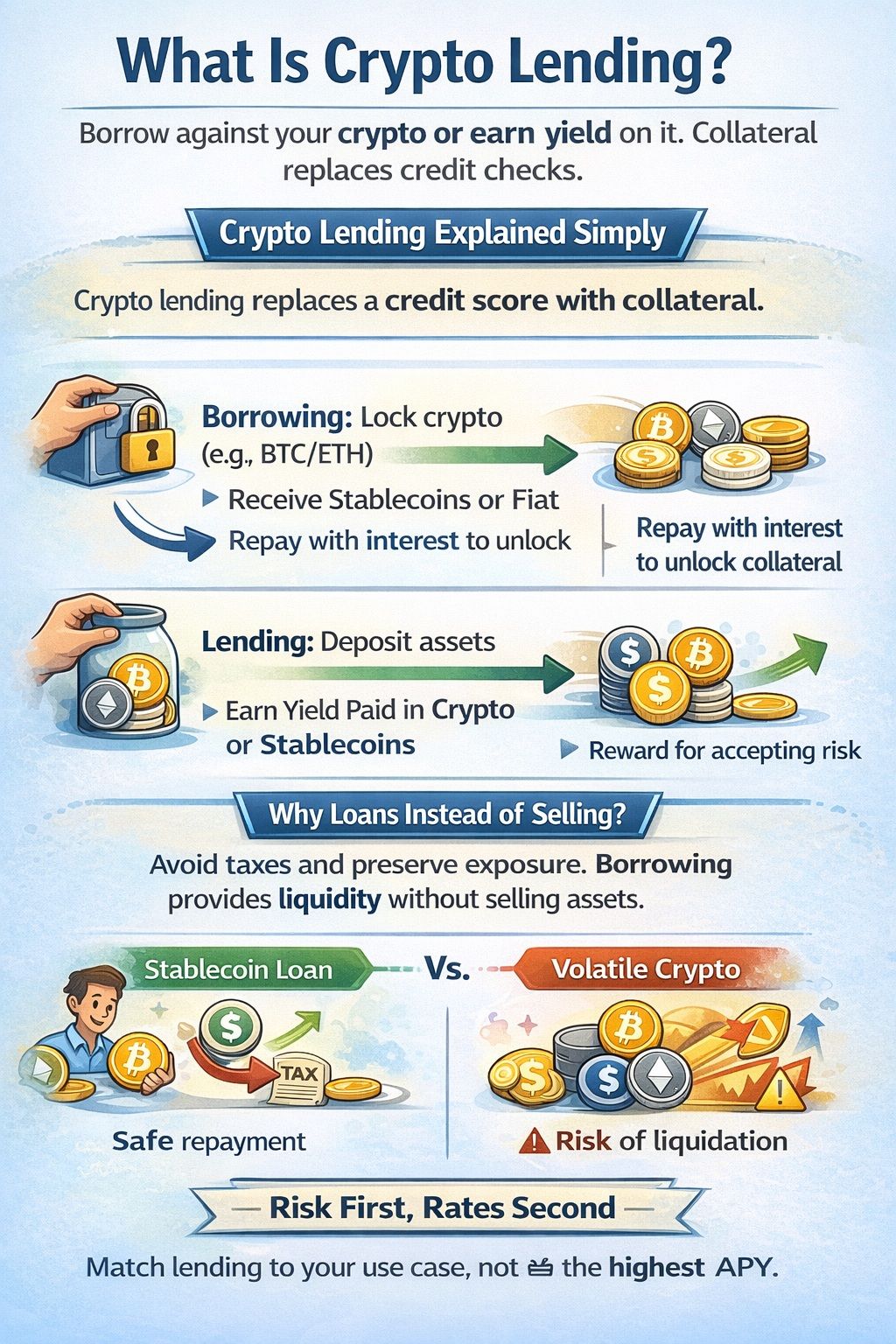
Ensure the platform has sufficient liquidity to handle withdrawals during market stress. Read the fine print on lock-up periods and withdrawal fees. A high interest rate is meaningless if you cannot access your funds when needed. Look for platforms with deep liquidity pools and clear, fair withdrawal policies.
| Feature | Traditional Lending | DeFi Lending |
|---|---|---|
| Credit Check | Soft/Hard Pull | None (Collateral-based) |
| Transparency | Limited | Full on-chain |
| Regulatory Oversight | High | Evolving (2026 Rules) |
| Interest Rates | Lower | Higher/Volatile |
Key takeaways for your crypto credit strategy
- Use on-chain data providers like gio Ratings for real-time risk assessment.
- Verify regulatory compliance using reports from agencies like Fitch Ratings.
- Compare collateralization ratios to balance risk and capital efficiency.
- Prioritize platforms with strong liquidity and clear withdrawal terms.
Spotting Misleading Claims in DeFi Credit Scoring
The new 2026 lending regulations aim to bring transparency to crypto credit scores, but the market is already flooded with misleading claims. Many platforms promise "instant credit boosts" by linking your wallet to a FICO-style score. This is often a marketing illusion. Your on-chain activity does not directly report to Equifax or TransUnion. Instead, these scores measure counterparty risk and asset volatility within the DeFi protocol itself.
Be wary of platforms that claim to "repair" your crypto credit history. Unlike traditional credit, you cannot dispute on-chain transactions. If you borrowed against an NFT and got liquidated, that history is permanent. Look for providers like Gio Ratings or Fitch Ratings that use official on-chain data rather than proprietary, opaque algorithms. These institutions focus on measurable counterparty risk, not speculative score inflation.
Another common mistake is assuming a high DeFi score guarantees lower interest rates across all lenders. Each platform sets its own risk parameters. A score that looks strong on one protocol might be viewed as risky on another due to different collateral requirements. Always read the fine print on how your specific assets are weighted. Don't let a shiny dashboard hide the fact that your loan-to-value ratio is precarious.
Finally, avoid services that ask for excessive wallet permissions. Legitimate credit scoring tools only need read-only access to verify your holdings and transaction history. If a service asks for full spending authority to "optimize your score," it is a red flag. Your crypto credit score should be a tool for transparency, not a backdoor for your assets.
No comments yet. Be the first to share your thoughts!