
How DeFi Lending Protocols Are Rewriting Credit Scores
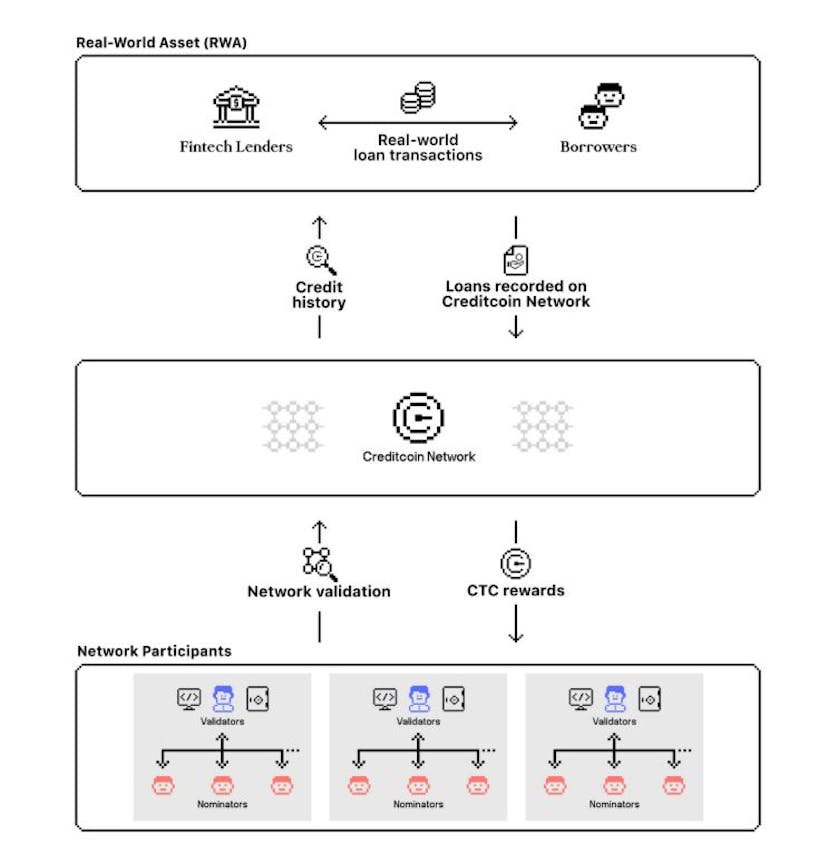
DeFi lending protocols are shifting credit evaluation from centralized bureau data to on-chain transaction history. This allows users with no traditional credit history to access capital, but it introduces new risks like liquidation volatility and data privacy concerns. Understanding the mechanics of these scores is essential before locking funds into lending pools.
DeFi credit scoring 2026 limits to account for
When evaluating DeFi credit systems, prioritize constraints that affect real-world usability over marketing claims. A robust system must account for wallet activity, collateral stability, and cross-protocol portability. If a recommendation relies on ideal market conditions or exclusive access, it is likely unsuitable for general use.
The most effective approach is to define hard constraints first: budget limits, risk tolerance, and required liquidity. Compare each protocol against these non-negotiables before considering "nice-to-have" features like gamified rewards or social reputation boosts.
| Factor | What to check | Why it matters |
|---|---|---|
| Fit | Match the option to the primary use case. | A good deal still fails if it does not fit the job. |
| Condition | Verify age, wear, and service history. | Hidden condition issues erase upfront savings. |
| Cost | Compare purchase price with likely upkeep. | The cheapest option is not always the lowest-cost option. |
DeFi credit scoring 2026 choices that change the plan
Different protocols offer varying degrees of credit score portability and transparency. Some focus on raw transaction volume, while others use sophisticated risk models to assess repayment likelihood. Choosing the right path depends on whether you value immediate liquidity or long-term credit building.
Name the space, budget, timing, or skill limit that shapes the decision.
Use the same criteria for each option so the tradeoff is visible.
Pick the option that still works after cost, maintenance, and fallback needs are included.
Watchouts in DeFi Credit Scoring
Not every protocol claiming to build your credit history is worth your time. In 2026, the gap between genuine on-chain reputation and misleading marketing is widening. Before you lock funds into a lending pool for "credit building," check the mechanics.
The OCCR Score Illusion Some platforms promote their "On-Chain Credit Risk Score" as a universal standard. While academic papers like the OCCR model offer interesting probabilistic frameworks, most consumer-facing apps do not use these rigorous academic metrics. Instead, they often rely on simple deposit-to-borrow ratios that don't predict repayment behavior outside their specific walled garden. A high score on one platform rarely transfers to another.
Hidden Fees and Liquidation Risks Many "credit-building" loans come with high implicit costs. If the protocol doesn't report to traditional bureaus, you are paying interest for a digital badge that has no tangible utility yet. Worse, volatile collateral can trigger liquidations that damage your on-chain history. Unlike traditional credit, where a missed payment is a late fee, a DeFi liquidation is a total loss of collateral.
Data Privacy Tradeoffs DeFi credit scores require deep wallet analysis. This means your entire transaction history is being scored. If the protocol is acquired or hacked, that sensitive financial behavior data is exposed. Always read the data retention policy. If they don't explicitly state how long they store your on-chain footprint, assume it is permanent.
No comments yet. Be the first to share your thoughts!