What DeFi credit scoring actually measures
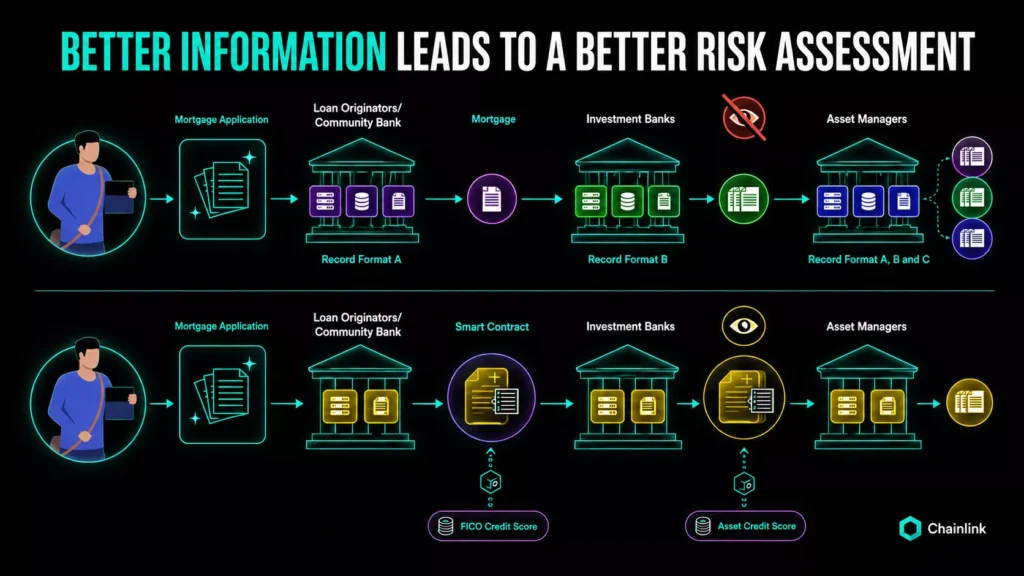
DeFi credit scoring shifts the focus from static collateral to dynamic behavioral history. In traditional finance, a credit score relies on bureau data and financial history that is often weeks or months old. DeFi replaces this with an on-chain reputation built from real-time smart contract interactions. This system evaluates how a user borrows and repays over time, creating a fluid profile rather than a fixed snapshot.
The core mechanism tracks repayment consistency, wallet activity, and transaction frequency. Instead of asking for a credit report, protocols analyze the blockchain ledger to determine reliability. A user who consistently repays loans on time builds a higher score, even without significant assets locked as collateral. This allows for more flexible lending terms based on demonstrated behavior rather than just current wealth.
This approach enables reputation-based lending, where trust is earned through actions on the chain. It opens up access to capital for users who might be underbanked in traditional systems but have a strong on-chain track record. The score reflects a living history of financial responsibility, making it a more accurate predictor of future borrowing behavior.
Key metrics for on-chain lending reputation
DeFi credit scoring replaces traditional collateral requirements with a probabilistic assessment of borrower behavior. Algorithms now evaluate an address’s history to generate an On-Chain Credit Risk Score (OCCR), quantifying the likelihood of repayment without relying on centralized identity verification [[src-serp-7]]. This shift allows lenders to offer unsecured loans based on mathematical evidence of financial discipline.
The most critical input is repayment speed. Protocols track the ratio between the actual time taken to repay a loan and its scheduled term. A borrower who consistently clears debt days or weeks before the deadline demonstrates high reliability, whereas those who wait until the final block to repay signal higher risk. This temporal metric is often weighted more heavily than the loan amount itself, as it reflects cash flow stability rather than just asset ownership.
Transaction consistency provides the second layer of verification. Algorithms analyze the frequency and regularity of incoming and outgoing transfers across multiple wallets. Irregular, sporadic activity suggests unstable income or speculative behavior, while steady, predictable flows indicate a sustainable economic engine. This metric helps distinguish between users who treat lending as a gambling tool and those who use it for genuine treasury management.
Utilization rates serve as the final pillar of reputation calculation. This measures the percentage of available credit a user actively draws upon. High utilization can indicate financial stress or over-leveraging, especially if it approaches the maximum limit repeatedly. Conversely, moderate utilization—such as consistently using 30-50% of available credit—signals responsible management and healthy liquidity needs. These three metrics combine to form a dynamic score that adjusts in real-time as the user interacts with the protocol.
Comparing major DeFi credit scoring models
The DeFi credit scoring landscape is fragmented, with protocols and third-party services adopting different methodologies to assess borrower risk. While traditional finance relies on centralized credit bureaus, DeFi models analyze on-chain behavior, transaction history, and asset holdings to generate a reputation score. This shift allows for uncollateralized or undercollateralized lending, unlocking capital that would otherwise be locked in overcollateralized positions.
The table below compares three prominent approaches: Kava’s AI-driven model, ChainAware’s comprehensive data aggregation, and generic Open Credit Credit Rating (OCCR) frameworks. Each model balances data privacy, source diversity, and loan type support differently.
| Model | Data Sources | Privacy Approach | Supported Loan Types |
|---|---|---|---|
| Kava AI | On-chain transactions, DeFi protocol interactions | On-chain reputation, transparent scoring | Undercollateralized, Unsecured |
| ChainAware | On-chain, off-chain identity, alternative data | Zero-knowledge proofs, selective disclosure | Undercollateralized, Cross-chain |
| Generic OCCR | On-chain transaction history, asset holdings | Public on-chain data, pseudonymous | Mostly overcollateralized, some undercollateralized |
Kava’s approach, for instance, leverages artificial intelligence to analyze user behavior across its ecosystem, enabling undercollateralized loans based on proven repayment history [src-serp-1]. ChainAware takes a broader view, integrating off-chain identity and alternative data sources while using zero-knowledge proofs to maintain user privacy [src-serp-5]. Generic OCCR frameworks often rely solely on visible on-chain activity, which can lead to pseudonymous but transparent scoring, limiting their ability to support truly unsecured lending.
Choosing the right model depends on your risk tolerance and the type of loan you need. If you prioritize privacy and access to unsecured credit, ChainAware’s hybrid approach may be preferable. For users already embedded in the Kava ecosystem, their AI scoring offers a streamlined path to undercollateralized lending. Understanding these distinctions is critical for navigating the evolving DeFi credit landscape.
Risks and limitations of on-chain credit
On-chain reputation systems promise to replace collateral with trust, but they introduce a new set of vulnerabilities that traditional finance has spent centuries mitigating. The primary keyword for this section is the inherent risk in on-chain credit models, which are still maturing and lack the regulatory backstops of centralized banking.
Privacy remains a significant friction point. While DeFi is often touted for pseudonymity, credit scoring requires persistent identity. As noted by Block3 Finance, your on-chain history is immutable and public. This creates a dilemma: users with large balances may inadvertently expose their financial behavior to the entire world, turning their wallet address into a transparent ledger of net worth and spending habits.
Algorithmic bias is another critical limitation. These systems rely on historical data to predict future behavior, but the DeFi landscape is young and volatile. If the training data favors certain types of transactions or protocols, it may systematically disadvantage users who operate outside those norms. As Yevhen Rudenko highlights, the transition from collateral-based to trust-based models is complex and prone to these structural blind spots.
Market volatility further complicates the equation. In traditional credit, a stable income stream is a reliable indicator of repayment ability. In DeFi, an asset’s value can drop 20% in an hour. This means that even a user with a perfect credit score could face liquidation due to market swings rather than poor credit management, making the "reputation" aspect less reliable during stress events.
How to build your crypto credit history
Building a non-custodial crypto credit history requires treating on-chain activity like a financial identity. Unlike traditional credit, where a bank pulls your report, in DeFi your wallet address is your profile. To establish trust with lending protocols, you must demonstrate consistent, responsible behavior over time.
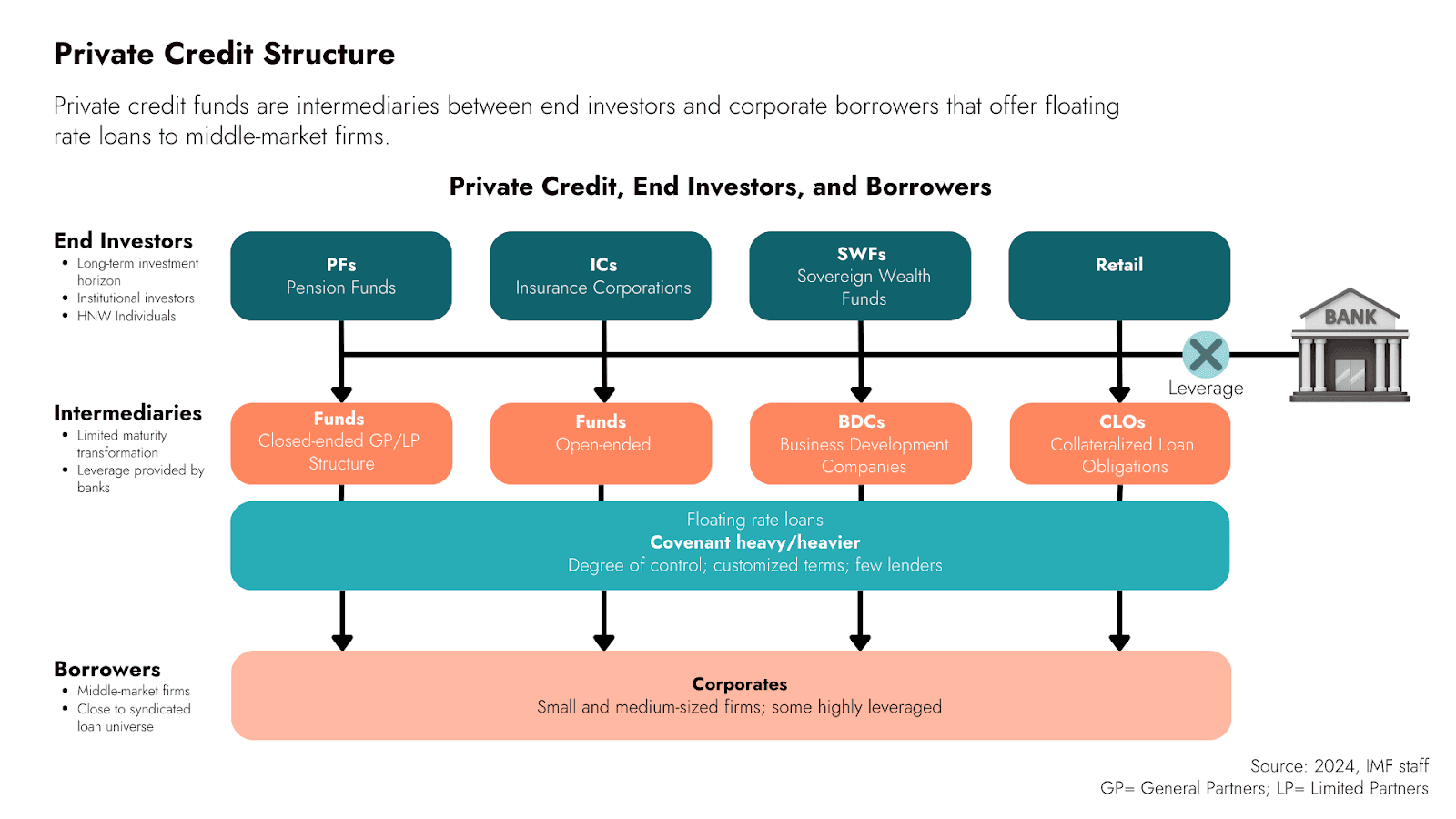
Begin by borrowing small amounts on established protocols. The goal is not to maximize leverage, but to create a clean repayment record. Repaying these loans early or on time signals reliability to credit scoring algorithms that track wallet behavior.
Credit scores improve with varied activity. Use your wallet for regular transactions, such as paying for services or swapping assets, rather than just holding. A diverse history shows active, responsible usage rather than passive holding, which helps algorithms build a more accurate profile.
Even a single default or liquidation event can severely damage your on-chain reputation. Treat these events as permanent marks on your wallet’s record. Always monitor your positions and maintain healthy collateral ratios to prevent automated liquidations that hurt your score.
Many platforms now offer real-time credit score dashboards. Check these regularly to see how your actions affect your rating. Understanding what the algorithm values allows you to adjust your behavior and improve your standing for future loan approvals.
If you use multiple wallets, consider linking them to a single identity through reputation protocols. This prevents your credit history from being fragmented across dozens of addresses, giving you a stronger, more unified credit profile.
Building a strong crypto credit score takes time. There are no quick fixes; consistent, responsible behavior over months is the only path to higher borrowing limits and better rates.
Frequently asked questions about DeFi credit
What does DeFi stand for?
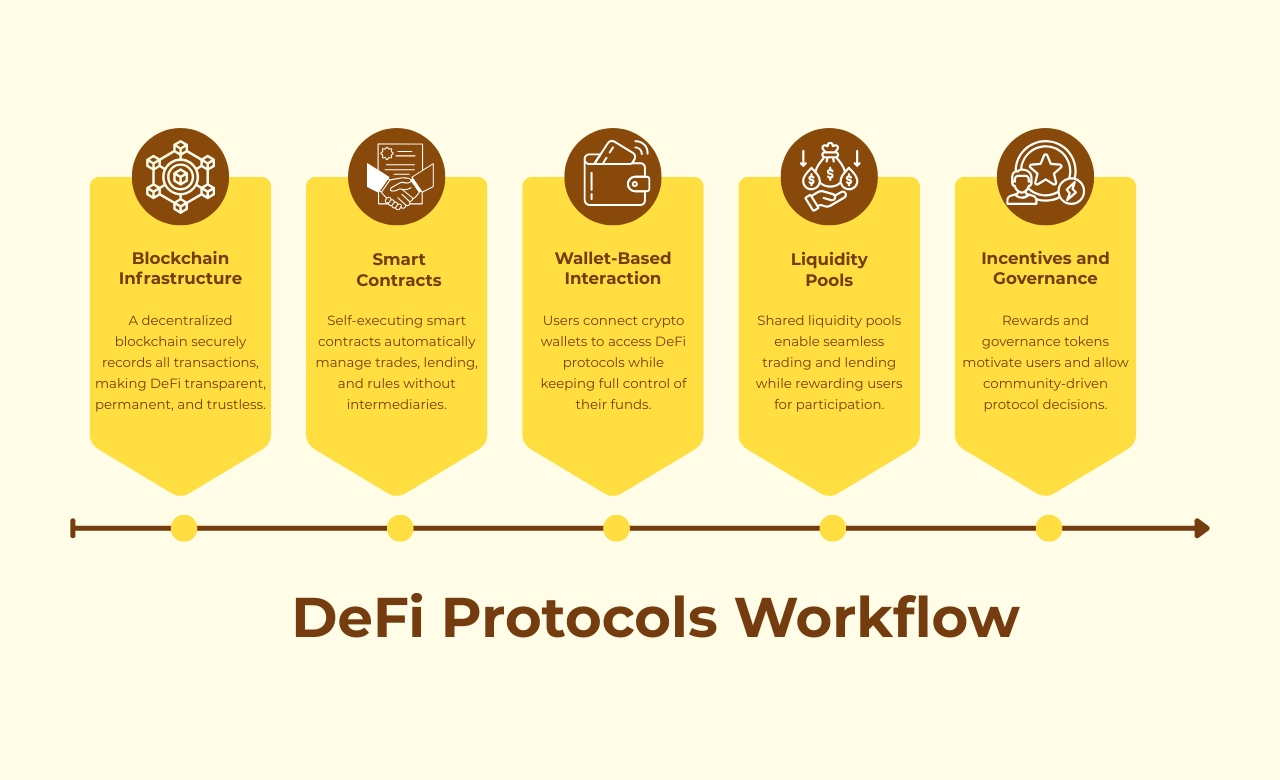
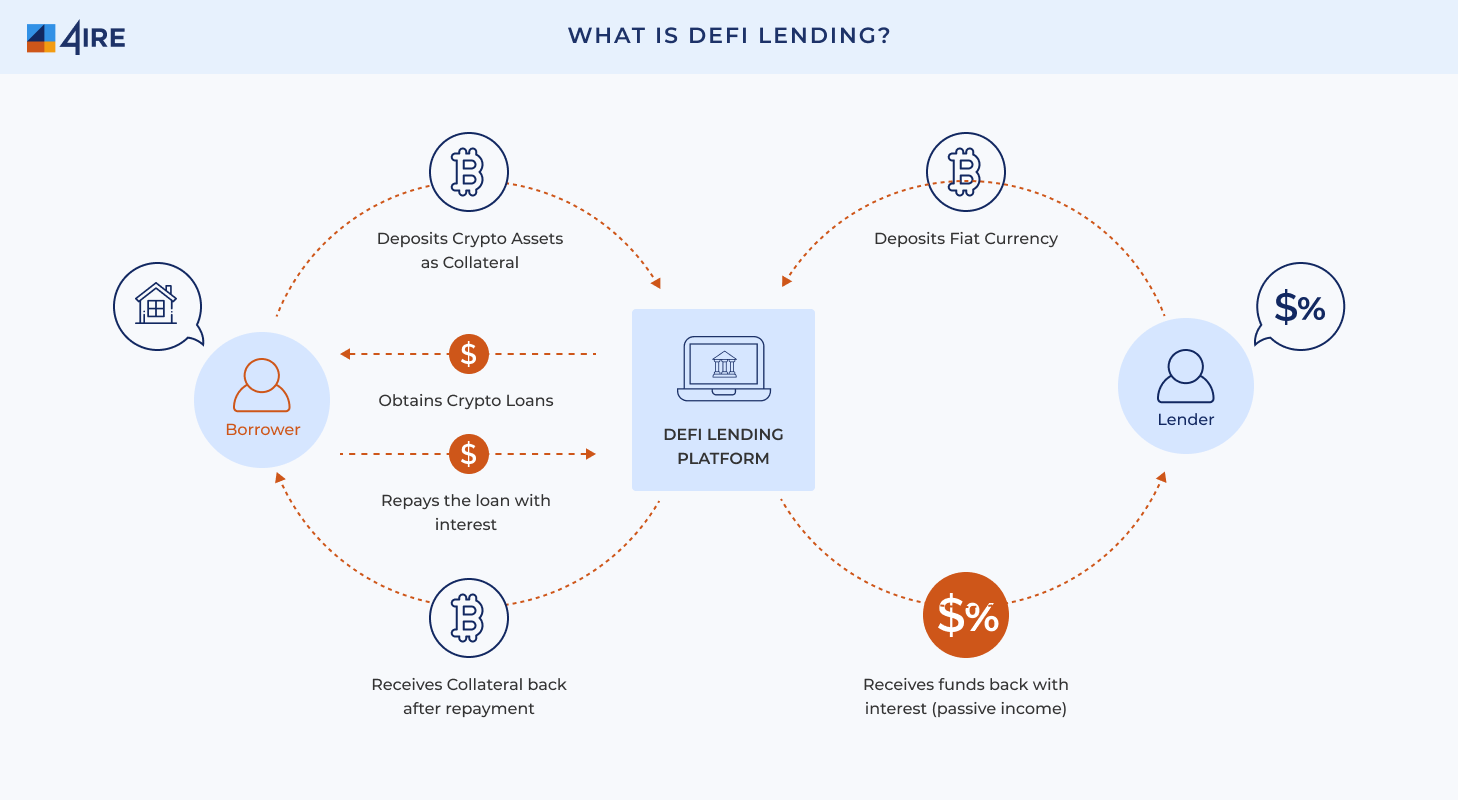
DeFi stands for Decentralized Finance. It refers to financial services built on public blockchains that operate without traditional intermediaries like banks or brokers. Instead of centralized institutions, DeFi relies on smart contracts—self-executing code—to manage lending, borrowing, and trading. This structure allows users to retain custody of their assets while accessing global markets.
How is credit scoring done in DeFi?
On-chain credit scoring analyzes a user’s transaction history, wallet balance, and interaction patterns across various protocols. Unlike traditional FICO scores, which rely on credit cards and loans, DeFi scores use blockchain data to assess reliability. Machine learning algorithms process this data to generate a reputation score, helping lenders gauge risk without requiring upfront collateral.
What are the 5 levels of credit scores?
While traditional systems use specific numerical bands, DeFi credit models often categorize users into tiers such as poor, fair, good, very good, and excellent. These levels determine borrowing limits and interest rates. For example, a "good" score might unlock lower rates and higher leverage, while a "poor" score may restrict access to premium lending pools. The exact thresholds vary by protocol.
Is DeFi lending risky?
Yes, DeFi lending carries significant risks, including smart contract vulnerabilities, market volatility, and liquidation events. Because these systems are code-based, bugs or exploits can lead to total loss of funds. Additionally, rapid price swings can trigger automatic liquidations if collateral values drop below required thresholds. Users must understand these mechanics before participating.
No comments yet. Be the first to share your thoughts!