Start with a clean wallet history
Before you can build a DeFi credit score, you must first establish a verifiable identity on-chain. Unlike traditional credit bureaus that pull data from banks, DeFi protocols analyze your public wallet address. This address is your digital fingerprint; if it is associated with illicit activity, sanctioned entities, or high-risk mixing services, your creditworthiness will be deemed negligible or negative from the start.
A clean wallet history is the foundational requirement for generating a valid credit profile. Lenders rely on on-chain data to assess risk, and a tainted history will likely result in a rejected application or severely limited borrowing power. To begin, ensure your primary wallet has not interacted with addresses flagged by regulatory bodies such as OFAC (Office of Foreign Assets Control). Avoid using tumblers or mixers like Tornado Cash, as these actions obscure transaction trails and trigger risk flags in most credit scoring algorithms.

Use a blockchain explorer like Etherscan or a portfolio tracker like DeBank to review all past transactions. Identify any interactions with known high-risk addresses, scams, or sanctioned platforms. If you find problematic interactions, consider moving funds to a new, clean wallet address to start fresh.
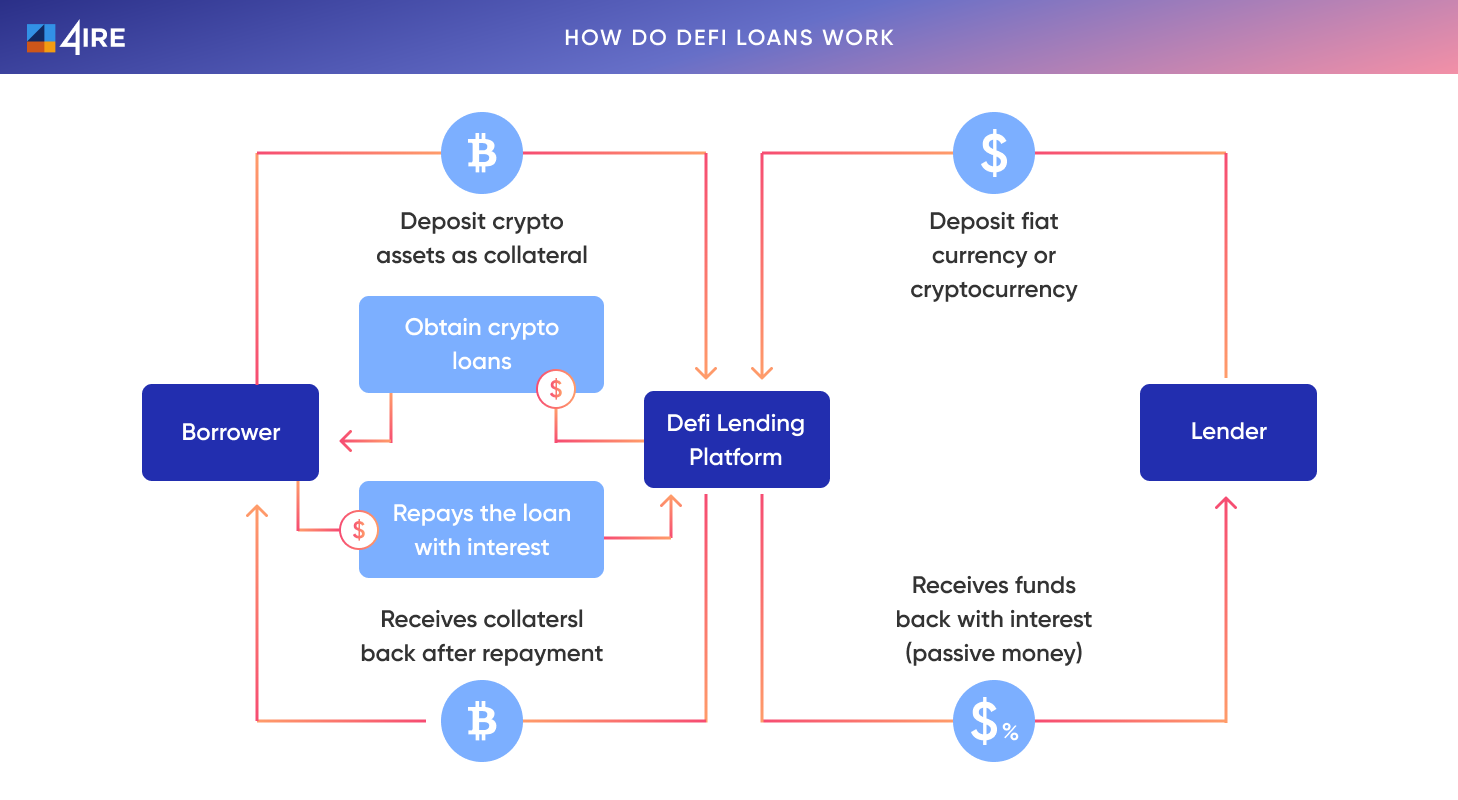
Explicitly avoid using privacy-preserving mixers. These services break the link between your identity and your funds, making it impossible for credit models to assess your reliability. A lack of transparent transaction history is often interpreted as a higher risk than no history at all.

Once you have a clean slate, begin using your wallet for standard DeFi activities. This includes providing liquidity to reputable protocols, repaying loans on time, and participating in governance. Consistent, positive behavior over time builds the data points needed for a robust credit score.
As noted by legal scholar Nizan Geslevich Packin, crypto-native credit scoring aims to bridge the gap in risk assessment by tapping into blockchain data. However, this system is only as good as the data it ingests. A wallet history free of sanctions and scams is not just a best practice; it is the primary gatekeeper for entry into the DeFi lending market.
Execute consistent on-chain repayments
Your on-chain credit score is a probabilistic measure of reliability, not a static number. Platforms like Credifi or protocols implementing the On-Chain Credit Risk Score (OCCR) model quantify your creditworthiness by analyzing your repayment history across the blockchain. Building this score requires a deliberate sequence of actions that prove you can service debt without relying on overcollateralization.
The goal is to generate a clean, verifiable trail of timely payments. Algorithms scan your wallet address for these transactions, weighting on-time repayments heavily while penalizing late or missed payments. Because the blockchain is immutable, every repayment you make becomes a permanent data point in your credit profile.
1. Select a credit-building lending protocol
Not all DeFi lending platforms contribute to a unified credit score. You must choose a protocol that explicitly reports repayment data to a credit scoring engine or offers its own internal reputation system. Look for platforms that integrate with on-chain identity or credit score aggregators. Using a standard flash loan or a generic liquidity pool will not build your unsecured credit history because there is no borrower-lender relationship to record.
2. Take out a small, manageable loan
Start with a loan size you can comfortably repay within the first cycle. The goal here is not to maximize leverage but to establish a baseline transaction. A small, short-term loan allows you to demonstrate reliability quickly without exposing yourself to significant liquidation risk if market conditions shift. Ensure you understand the interest rate accrual mechanism and the exact repayment deadline.
3. Repay on time, every time
Set up calendar reminders or automated scripts to ensure you repay the principal and interest before the due date. Consistency is the primary driver of score improvement. A single missed payment can significantly delay your progress or reset your score entirely, depending on the protocol's specific penalty structure. On-chain repayments are public, so your future lenders will see this history immediately.
4. Monitor your score and repeat
After your first repayment, check your credit score on the platform's dashboard or a connected aggregator. You should see an immediate uptick in your reliability metrics. Repeat this cycle with slightly larger amounts or longer terms as your score improves. This iterative process builds a robust repayment history that algorithms can trust, eventually unlocking access to larger unsecured credit lines.
Identify a lending platform that actively reports repayment data to an on-chain credit scoring engine. Standard DeFi lending pools do not build credit scores; you need a protocol designed for unsecured or semi-secured credit assessment.
Borrow a small amount that you can easily repay within one cycle. This establishes your first data point. Avoid high leverage initially; the goal is to prove reliability, not to maximize capital efficiency.
Repay the full amount before the deadline. On-time repayments are the strongest positive signal for credit algorithms. Use calendar alerts or automated scripts to prevent missed payments, which can severely damage your emerging score.
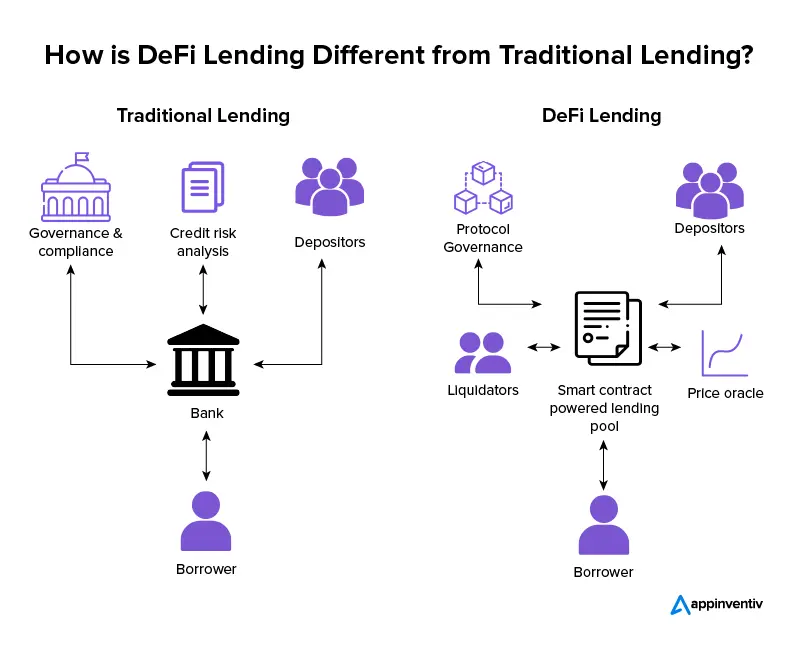
Review your credit score after each successful repayment. As your history grows, gradually increase your loan size or duration. This iterative process builds a verifiable track record that lenders use to offer better terms and higher limits.
Choose a protocol that reports to bureaus
The infrastructure behind your DeFi credit score matters more than the score itself. Not all protocols calculate risk the same way, and only a few actually prepare data for traditional credit bureaus or integrate with off-chain lending markets. Selecting the right provider ensures your on-chain history translates into real borrowing power.
Start by evaluating the scoring model. Some platforms rely on simple transaction volume, while others use machine learning to weigh factors like repayment consistency, collateral health, and wallet activity. Look for providers that explicitly state how they calculate risk. Transparency in the model prevents surprises when you apply for a loan.
Next, verify chain support and bureau integration. Your score is only useful if lenders can see it. Check if the protocol reports to major credit bureaus or partners with traditional finance institutions. This integration is the bridge that turns "DeFi credit score" from a niche metric into a financial tool.
Use the comparison below to evaluate the leading infrastructure providers. Focus on their scoring methodology and supported ecosystems to find the best fit for your lending goals.
| Provider | Scoring Model | Supported Chains | Bureau Reporting |
|---|---|---|---|
| ChainAware | AI-driven risk assessment | Ethereum, Polygon, Optimism | Yes, integrated with traditional bureaus |
| Zeru | On-chain behavior analysis | Multi-chain support | Yes, via API partnerships |
| Kava | AI-powered credit scoring | Kava Chain, Cosmos | Limited, focus on DeFi-native lending |
| Goldfinch | Community-based underwriting | Ethereum, Polygon | No, DeFi-only ecosystem |
Verify your score across multiple chains
Your DeFi credit score is not a single, static number. It is an aggregation of on-chain activity that varies by protocol, oracle provider, and blockchain network. Before you apply for large unsecured loans, you must validate that your score is consistent and accurate across the platforms you intend to use.
1. Check your score on your primary lending protocol
Start by logging into the lending protocol where you have the most historical activity (e.g., Aave, Compound, or a specialized DeFi credit provider). Review the score calculation logic they use. Look for how they weight your debt-to-income ratio, repayment history, and asset collateralization. This establishes your baseline score.
2. Cross-reference with omnichain credit infrastructure
Many DeFi credit scores are fragmented across different blockchains. Use omnichain credit infrastructure platforms like Zeru to check your score across multiple chains simultaneously. These platforms aggregate data from various protocols to provide a more holistic view of your creditworthiness. This step ensures that your activity on one chain is not being overlooked by another.
3. Validate with independent oracles
Check your score on independent credit oracles that serve multiple DeFi applications. Oracles like Chainlink or specialized DeFi credit oracles pull data from various sources to create a unified credit profile. Compare the score you receive here with the one from your primary protocol. Significant discrepancies may indicate missing data or different weighting algorithms.
4. Test your score on a secondary platform
Apply for a small, low-stakes loan or credit line on a secondary platform to see how your score is interpreted in practice. This "soft pull" test can reveal how different lenders view your credit profile. It also helps you identify any errors in your on-chain history that might be negatively impacting your score.
5. Resolve discrepancies before applying
If you notice inconsistencies between platforms, investigate the cause. It could be due to missing transaction history, different oracle data sources, or varying scoring models. Address any errors in your on-chain record by ensuring all transactions are properly recorded and linked to your wallet. Once you have a consistent score across multiple platforms, you are ready to apply for larger unsecured loans with confidence.
Common mistakes that hurt your score
Your on-chain behavior is the primary input for any DeFi credit score. Lenders and protocol algorithms monitor specific signals to determine your creditworthiness. While building a score takes time, destroying it can happen in a single transaction. The following behaviors actively lower your credit risk rating and restrict your access to unsecured lending.
High utilization rates
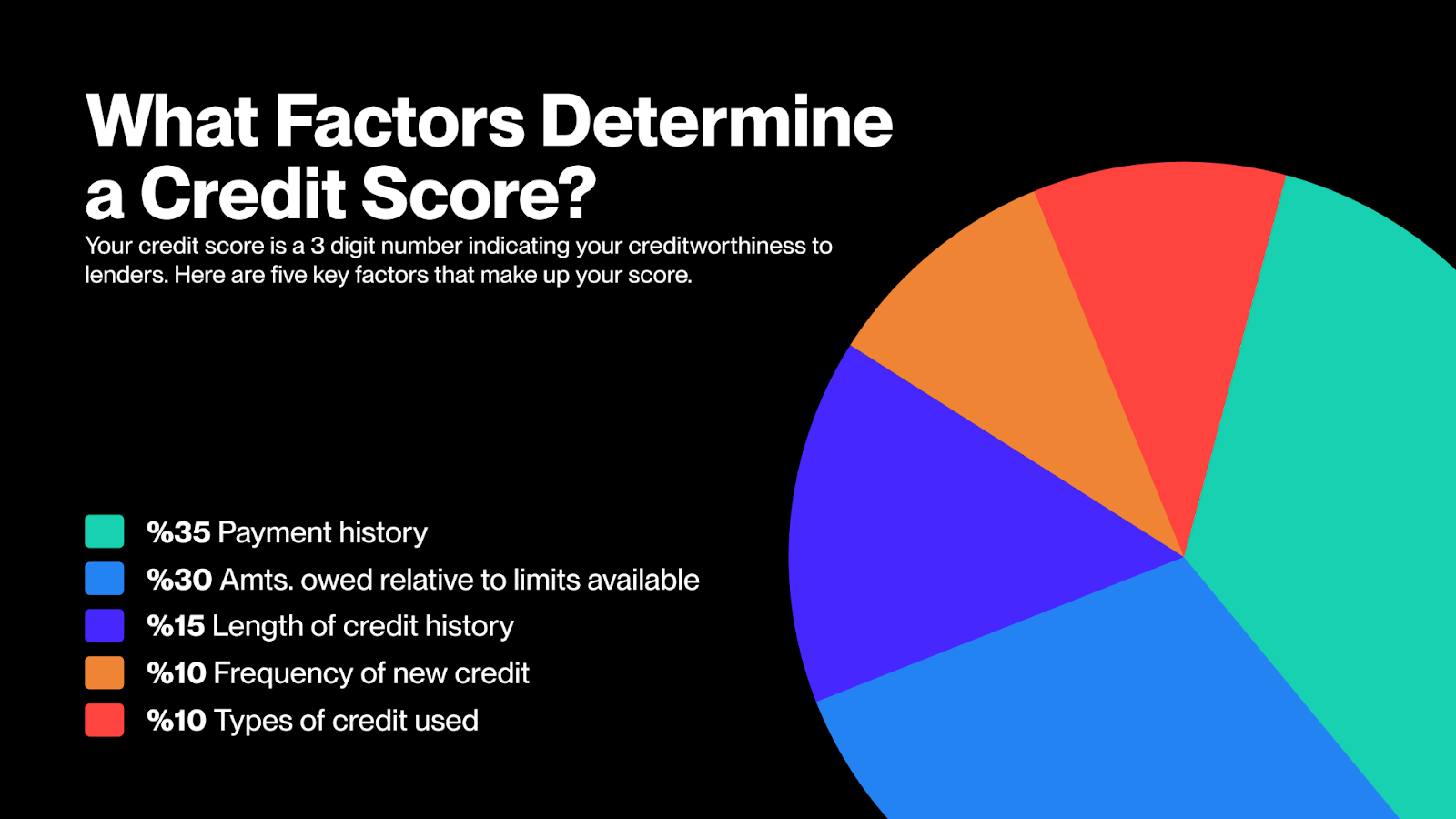
Using too much of your available credit line signals financial strain. If you consistently max out your borrowing limit, algorithms interpret this as a high probability of default. Keep your utilization below 30% of your total approved limit to maintain a healthy score profile.
Late fee payments
Payment history is the single most important factor in most credit models, including the On-Chain Credit Risk Score (OCCR). Missing a payment deadline or paying late introduces a negative mark that persists in your history. Unlike traditional credit, these records are immutable on the blockchain, making them harder to ignore or dispute.
Interacting with high-risk contracts
Your credit score reflects the safety of your entire transaction history. Interacting with unverified smart contracts, known mixer services, or protocols with a history of exploits introduces volatility into your risk profile. Lenders view these associations as red flags, potentially lowering your score even if you have repaid your loans on time.
-
Keep utilization below 30% of your limit
-
Set up auto-payments to avoid late fees
-
Avoid interacting with unverified or high-risk contracts
-
Monitor your on-chain reputation regularly
Source: On-Chain Credit Risk Score in Decentralized Finance
Frequently asked questions about DeFi credit
Can DeFi lending platforms actually use my on-chain data?
Yes. On-chain credit scores allow DeFi lending platforms to assess a borrower's creditworthiness by analyzing their transaction history, collateralization ratios, and repayment behavior on the blockchain. This approach helps bridge the gap in risk assessment for unsecured loans, making DeFi lending more robust and inclusive for users without traditional credit histories.
How is a DeFi credit score calculated?
Unlike traditional FICO scores, which rely on bank data, a DeFi credit score is built from blockchain data. It typically evaluates factors such as:
- Transaction History: Frequency and consistency of on-chain activities.
- Collateral Health: The ratio of assets locked in lending protocols.
- Repayment Behavior: Timeliness of loan repayments and interest payments.
- Wallet Age and Activity: The longevity and diversity of the user's crypto interactions.
Platforms like those discussed in recent on-chain credit research use these metrics to generate a dynamic score that updates in real-time.
Is DeFi credit scoring secure and private?
DeFi credit scoring relies on public blockchain data, which is pseudonymous rather than anonymous. While your identity is not directly exposed, your financial behavior is visible on the ledger. To maintain privacy, many users leverage zero-knowledge proofs or decentralized identity solutions that verify creditworthiness without revealing specific transaction details. Always review the privacy policy of the specific DeFi protocol you are using.
Can a DeFi credit score help me get better loan terms?
A higher on-chain credit score can lead to better loan terms, such as lower interest rates or higher borrowing limits. Lenders use these scores to mitigate risk, so a strong on-chain reputation signals reliability. This can be particularly beneficial for crypto-natives who lack traditional credit history but have a proven track record of responsible DeFi participation.
No comments yet. Be the first to share your thoughts!