
What DeFi credit scores 2026 actually measure
DeFi credit scores operate on a fundamentally different axis than traditional FICO models. Instead of relying on personal identity, government-issued IDs, or centralized bureau data, these scores evaluate the pseudonymous activity of a blockchain wallet. The core mechanism is a quantitative assessment of transaction history, asset holdings, and on-chain behavior. This shift allows for instant, borderless creditworthiness verification without the friction of identity verification.
The primary metric is transaction history. A wallet’s reputation is built by analyzing the frequency, volume, and consistency of its interactions with decentralized finance protocols. Regular repayment of flash loans, consistent liquidity provision, and a low ratio of failed transactions signal reliability. Unlike a traditional credit report, which may lag by weeks, on-chain data is immutable and available in real-time. This transparency reduces the information asymmetry that often plagues unsecured lending in traditional finance.
Asset utilization and collateralization ratios also play a significant role. Protocols analyze the health of a wallet’s portfolio, looking for stable holdings and low exposure to volatile assets. A wallet that maintains a high loan-to-value ratio on stablecoins is viewed as less risky than one heavily leveraged in speculative tokens. This data-driven approach creates a dynamic score that updates with every on-chain action, providing a more immediate reflection of financial responsibility than static annual reports.
This model prioritizes behavior over background. A user with no credit history can build a high DeFi score through consistent on-chain activity, while a user with a pristine traditional credit history might have a low score if their wallet activity is erratic or risky. The system is designed to reward financial discipline in the digital realm, creating a new standard for trust in decentralized markets.
Comparing top DeFi credit protocol standards
DeFi credit scoring has moved beyond simple on-chain balance checks. In 2026, leading platforms distinguish themselves through data granularity, privacy preservation, and integration depth with lending markets. Evaluating these standards requires looking at how each protocol aggregates wallet history and what lending outcomes it unlocks.
ChainAware and Cred represent two distinct approaches to building on-chain reputation. ChainAware focuses on broad wallet behavior analysis, while Cred emphasizes structured credit data from specialized providers. The choice between them depends on whether you prioritize privacy or lending access.
The table below compares the core mechanics of these platforms. Both operate pseudonymously, but their data sources and supported lending protocols differ significantly.
| Platform | Primary Data Source | Privacy Model | Lending Integration |
|---|---|---|---|
| ChainAware | On-chain wallet history | Pseudonymous wallet analysis | Direct protocol APIs |
| Cred | Verified credit reports | Zero-knowledge proofs | Marketplace aggregation |
ChainAware builds scores by analyzing transaction patterns across multiple chains. This approach captures spending habits and asset diversity without requiring personal identity. It integrates directly with lending protocols, allowing users to borrow against their on-chain reputation immediately.
Cred takes a different path by incorporating off-chain credit data through zero-knowledge proofs. This allows users to leverage traditional credit history without exposing sensitive information. The platform aggregates this data across multiple lending marketplaces, offering broader borrowing options but requiring more complex verification steps.
The choice between these models often comes down to liquidity needs. ChainAware users benefit from faster, on-chain-only processes, while Cred users access deeper liquidity pools through marketplace aggregation. Both systems are evolving, with new privacy-preserving techniques emerging regularly.
Why on-chain reputation matters for lending
On-chain reputation transforms wallet history into a functional credit score, creating a parallel financial system that operates independently of traditional identity verification. For borrowers, this means access to liquidity without submitting passports or tax returns. For lenders, it provides a data-rich environment to assess risk based on actual asset behavior rather than static income reports.
Borrower access and privacy
Traditional lending relies on Know Your Customer (KYC) processes that exclude millions of unbanked individuals or those seeking financial privacy. On-chain reputation solves this by analyzing transaction history, collateral health, and repayment patterns directly from the blockchain. A wallet with a history of consistent liquidity provision or timely loan repayments can unlock higher borrowing limits and better interest rates, regardless of the user's real-world identity. This pseudonymous model allows users to build financial credibility that travels with their wallet address across different protocols.
Lender risk mitigation
Lenders face significant risks in decentralized environments, including smart contract exploits and borrower default. On-chain reputation systems mitigate these risks by aggregating on-chain data into actionable insights. Protocols like ChainAware and Cred analyze historical behavior to assign a score that predicts future reliability. This data allows lenders to set dynamic interest rates based on real-time risk profiles rather than flat rates. By relying on verified on-chain activity, lenders can reduce non-performing loans and maintain protocol solvency without relying on centralized credit bureaus.
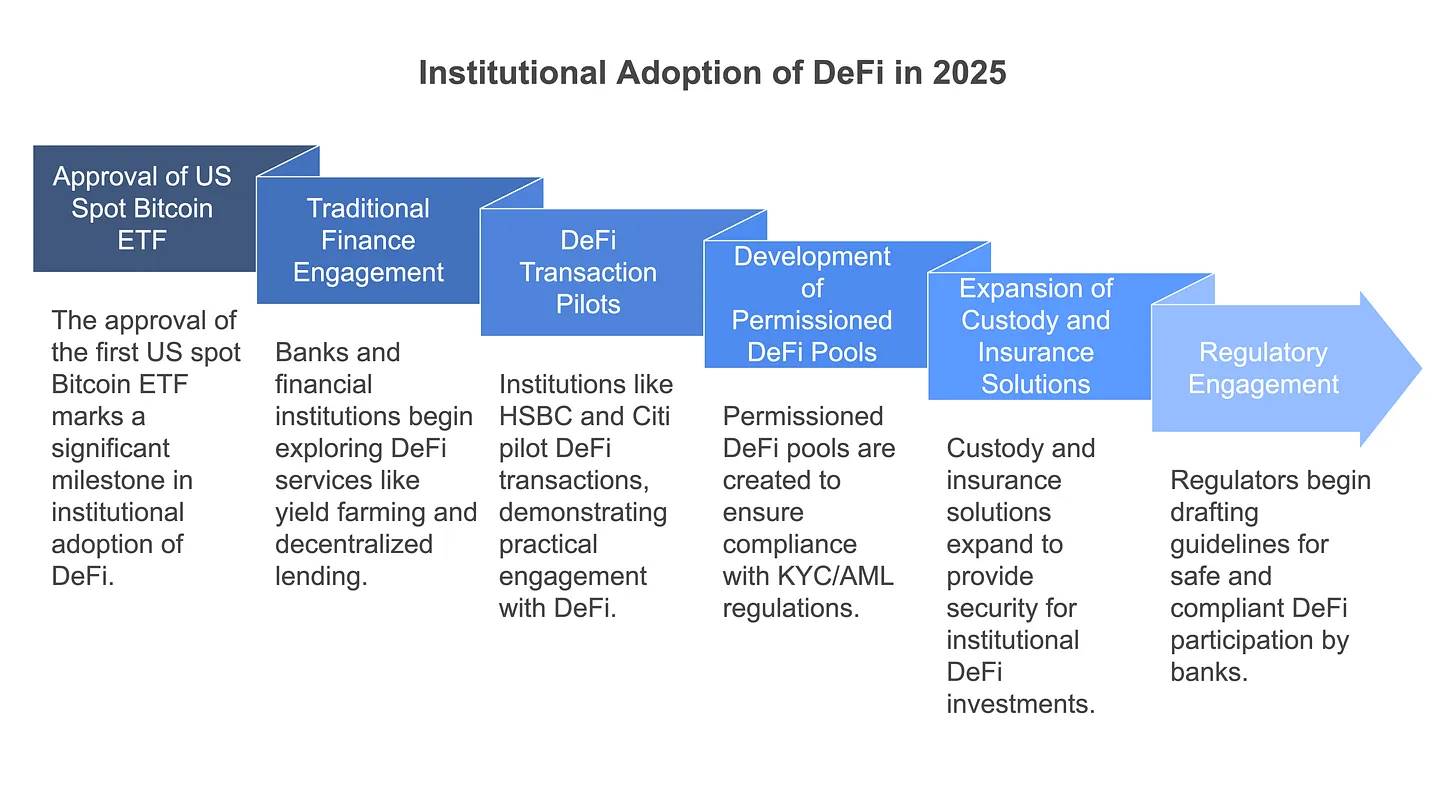
DeFi scores versus FICO 10T in 2026
The 2026 credit landscape is defined by a sharp divergence in how reputation is measured. On one side, FICO 10T introduces a model that looks beyond a single snapshot to credit patterns over the past two years, incorporating trended data and utility payments [src-serp-1]. On the other, DeFi credit scores rely on on-chain wallet activity, analyzing transaction history and protocol interactions to assess risk.
This difference in data sources creates distinct risk profiles. Traditional models like FICO 10T offer a regulated, historical view of financial behavior, often updated by major enterprises in summer 2026 to support broader lending standards [src-serp-4]. DeFi scores, however, provide real-time, granular visibility into asset liquidity and repayment habits across decentralized protocols, though they lack the regulatory oversight of traditional banking.
The choice between these models depends on the use case. For traditional lending and mortgage applications, FICO 10T remains the standard, reflecting a more conservative, history-based approach. In DeFi, where speed and transparency are paramount, on-chain reputation offers a dynamic alternative that can adapt to changing market conditions instantly.
Building your on-chain credit profile
Your on-chain reputation is not a static number; it is a living ledger of financial discipline. Lenders assess your reliability by analyzing the consistency and quality of your transaction history rather than a single snapshot. Improving your DeFi credit score requires deliberate actions that demonstrate stability and risk management.
Timely repayment is the strongest signal of creditworthiness. Automate payments or set reminders to ensure you never miss a deadline. Consistent, on-time repayments build a positive history that lenders prioritize when underwriting future loans.
Lenders prefer borrowers who interact with multiple reputable protocols. Use a mix of lending platforms, stablecoins, and blue-chip assets. This diversity shows you can manage different types of financial obligations without over-concentrating risk in a single protocol.
Interacting with unknown or high-yield farming contracts can lower your score. Lenders view these as speculative behaviors that increase the likelihood of default. Stick to audited, established protocols to keep your profile clean and predictable.
Keep your loan-to-value ratios healthy. Borrowing against 90% of your collateral is riskier than borrowing against 50%. Maintaining a buffer protects you from liquidation during market volatility and signals to lenders that you are financially resilient.
| Action | Score Impact |
|---|---|
| On-time repayment | High positive |
| Protocol diversification | Medium positive |
| High-risk farming | Negative |
| High LTV ratios | Negative |
Building a strong on-chain credit profile takes time, but the payoff is lower interest rates and higher borrowing limits. Treat your wallet like a traditional bank account: consistency matters more than speed.
No comments yet. Be the first to share your thoughts!