
What DeFi credit scores 2026 actually measure
Traditional FICO models rely on personal identity, utility payments, and debt-to-income ratios tied to a Social Security number. DeFi credit scores in 2026 operate on a fundamentally different premise: they analyze pseudonymous wallet behavior and trended on-chain data. Instead of verifying who you are, these protocols assess how you interact with liquidity pools, lending markets, and collateral positions over time.
The core mechanism hinges on transaction history and collateralization ratios. A wallet’s reputation is built by demonstrating consistent repayment behavior, maintaining healthy loan-to-value (LTV) ratios, and avoiding liquidation events. This data is immutable and transparent, allowing institutional lenders to underwrite loans based on proven financial discipline rather than credit reports that may lag or contain errors.
This shift enables a more dynamic risk assessment. While a traditional credit score might remain static for months, a DeFi credit score updates in real-time as the wallet interacts with the blockchain. Lenders can see immediate changes in risk profile, such as a sudden increase in leverage or a drop in collateral value, allowing for faster and more accurate lending decisions in high-stakes institutional markets.
Comparing major DeFi credit history protocols
Institutional lenders entering DeFi require more than just collateral; they need a reliable on-chain reputation system to assess counterparty risk. The landscape in 2026 is defined by a few leading protocols that aggregate wallet history, transaction patterns, and compliance data into actionable credit scores. Choosing the right protocol depends on which chains you operate on and how strictly you need to filter for regulatory compliance.
The primary difference between platforms lies in their data aggregation depth and chain coverage. Some protocols focus heavily on EVM compatibility and DeFi interaction history, while others integrate off-chain KYC/AML data for institutional-grade verification. Below is a direct comparison of the three most prominent credit history providers to help you evaluate fit for your lending infrastructure.
| Protocol | Primary Chains | Data Focus | Institutional Grade |
|---|---|---|---|
| ChainAware | EVM, Solana | On-chain history + KYC | Yes |
| Cred | EVM, Polygon | DeFi interaction depth | Partial |
| Goldsky | Multi-chain | Real-time data indexing | Yes |
ChainAware leads in institutional adoption by combining on-chain transaction history with verified identity data, making it suitable for high-stakes lending where regulatory compliance is non-negotiable. Cred offers a more lightweight approach, focusing on DeFi interaction depth and wallet activity, which is effective for peer-to-peer lending but less robust for regulated entities. Goldsky provides a flexible data indexing layer that allows lenders to build custom credit models, offering the highest degree of customization for complex institutional workflows.
When selecting a protocol, consider the trade-off between automation and customization. Fully automated platforms like ChainAware reduce operational overhead but offer less flexibility in scoring criteria. Customizable platforms like Goldsky require more engineering resources but allow lenders to tailor risk models to specific asset classes. For most institutional lenders, a hybrid approach using ChainAware for initial screening and Goldsky for deep-dive analysis provides the best risk mitigation.
On-chain lending reputation and institutional trust
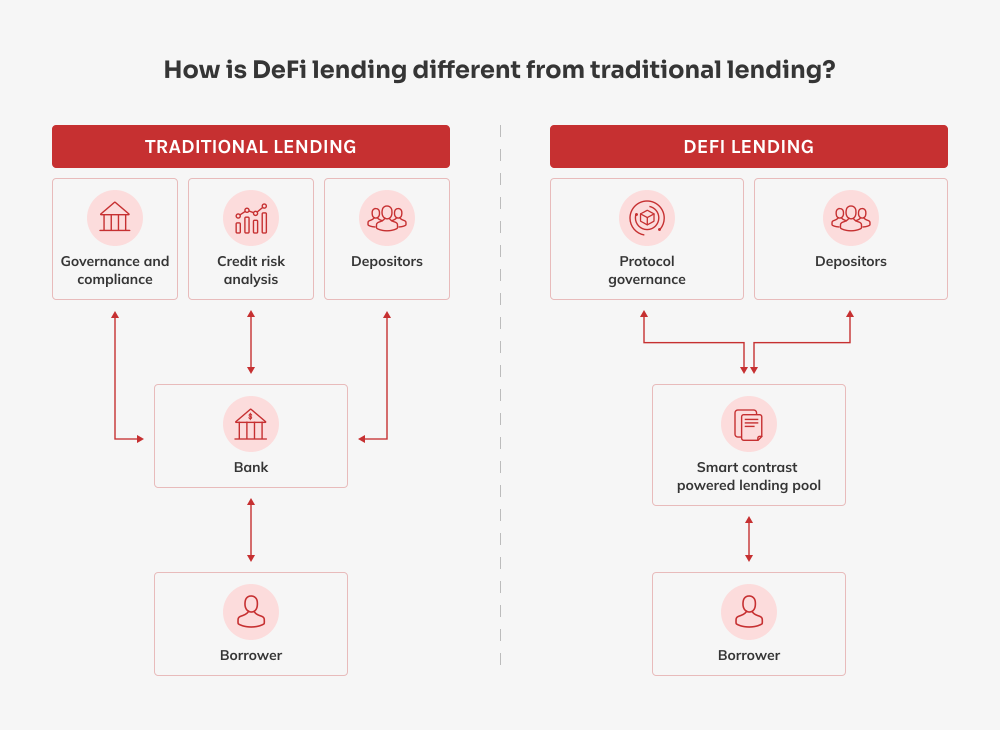
DeFi credit scores bridge the gap between pseudonymous wallets and regulated institutional capital by providing verifiable risk metrics. Traditional lenders rely on identity-verified history—tax records, employment, and payment history—to assess creditworthiness. On-chain protocols replace this with transactional data: repayment rates, collateral health, and interaction history across decentralized exchanges and lending markets.
This shift transforms anonymous wallet addresses into identifiable economic actors. Institutional capital, which requires strict compliance and risk management, can now deploy funds into DeFi protocols with the same rigor used in traditional finance. The core mechanism is the on-chain reputation score, a dynamic metric that aggregates a user’s financial behavior into a single, auditable number.
The integration of these scores into institutional lending workflows reduces counterparty risk. Protocols like Aave and Compound are beginning to offer lower interest rates to users with high on-chain credit scores, mirroring the benefits of high FICO scores in traditional banking. This creates a parallel financial system where reputation is liquid and portable.
Market growth and institutional adoption
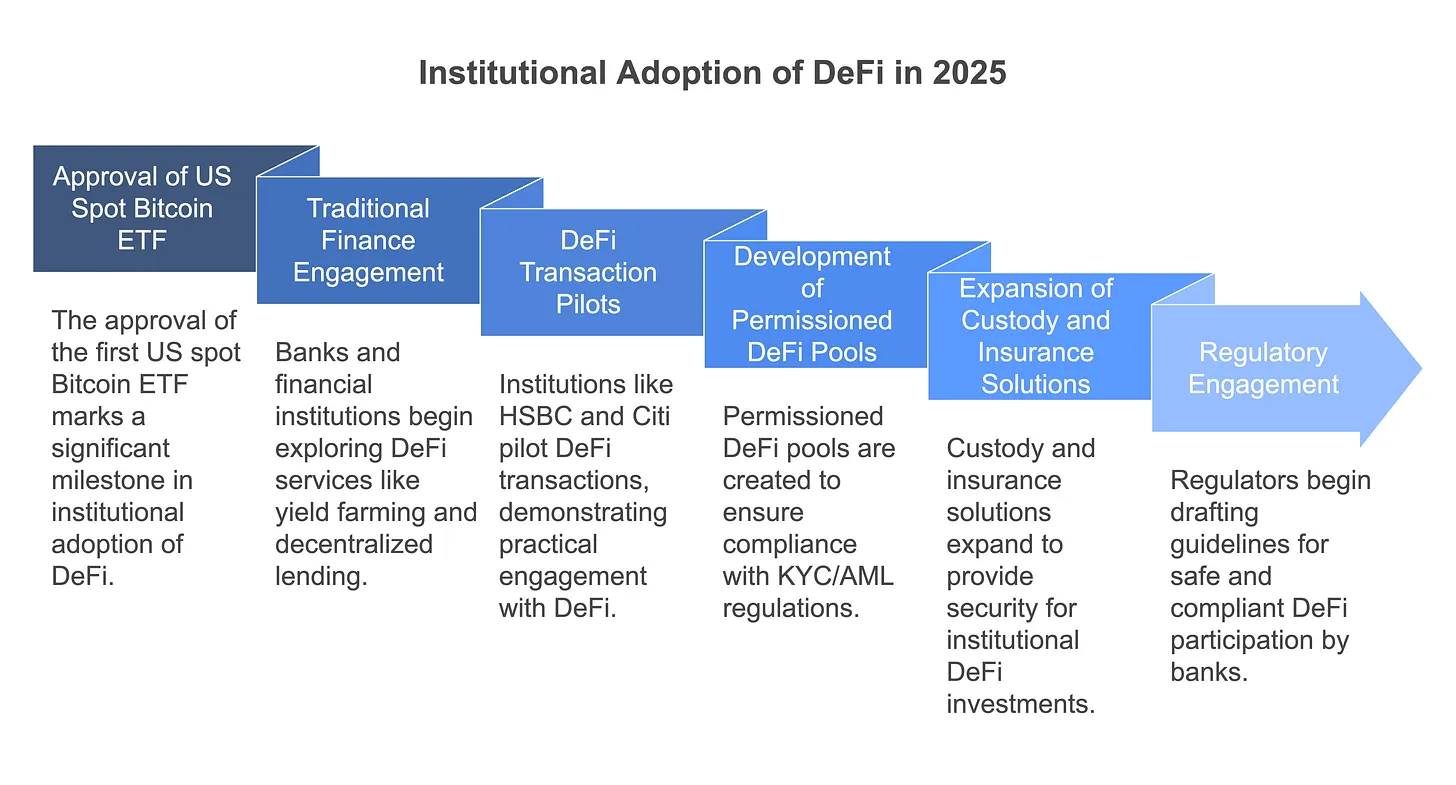
The growth of on-chain lending reputation systems is closely tied to the broader expansion of decentralized finance. As institutional investors seek higher yields in a low-rate environment, they are increasingly turning to DeFi protocols that offer transparent risk management.
The chart above illustrates the trend of Total Value Locked (TVL) in DeFi lending protocols, reflecting the growing confidence of institutional participants. While volatility remains, the steady increase in locked value indicates a maturing market where reputation-based lending is becoming a standard practice.
Key considerations for institutional integration
For institutional lenders, integrating on-chain credit scores requires careful consideration of regulatory compliance and data privacy. While the data is public, the aggregation and scoring models must align with anti-money laundering (AML) and know-your-customer (KYC) requirements.
Protocols are responding by developing hybrid models that combine on-chain data with off-chain identity verification. This allows institutions to maintain compliance while leveraging the efficiency of decentralized finance. The result is a more robust lending ecosystem that benefits from both the transparency of blockchain and the rigor of traditional financial standards.
Market trends shaping 2026 credit models
The foundation of institutional DeFi lending is shifting from static snapshots to dynamic, trended data. This transition mirrors the broader credit industry’s move toward VantageScore 4.0, which incorporates utility payment history and rental data to capture creditworthiness for those with thin files. On-chain scoring models are beginning to adopt similar principles, recognizing that a single snapshot of wallet balance tells only part of the story. Institutional lenders now require a view of liquidity trends over time to assess repayment capacity accurately.
This shift toward trended data reduces the noise of temporary liquidity events, such as large, one-time inflows that distort risk profiles. By analyzing cash flow patterns over extended periods, credit algorithms can better distinguish between sustainable solvency and temporary volatility. This approach aligns with the Federal Housing Finance Agency’s plans to integrate FICO 10T scores in summer 2026, which also prioritize trended data to improve prediction accuracy. The convergence of traditional and on-chain scoring methodologies is creating a more robust framework for institutional credit decisions.
The stability of these models is evident in the recent performance of VantageScore 4.0, which has maintained an average score of 701 despite fluctuating interest rates. This stability suggests that borrowers are adapting to higher rates by managing debt more responsibly, a behavior that on-chain protocols can now track more effectively. As these models mature, the integration of real-world credit data with on-chain activity will become a standard requirement for institutional lending platforms.
Steps to build your on-chain credit history
On-time payments remain the primary driver of your reputation. Lenders prioritize consistent repayment behavior over portfolio size. Use stablecoins for routine payments to minimize volatility risk and demonstrate reliability.
Keep your loan-to-value ratio below 75% to signal financial discipline. High utilization rates trigger risk alerts and lower your score. Diversify your on-chain activity across multiple protocols to build a comprehensive history.
Set up automated repayments for all active loans. Missed payments have an outsized negative impact on your score. Consistency matters more than speed.

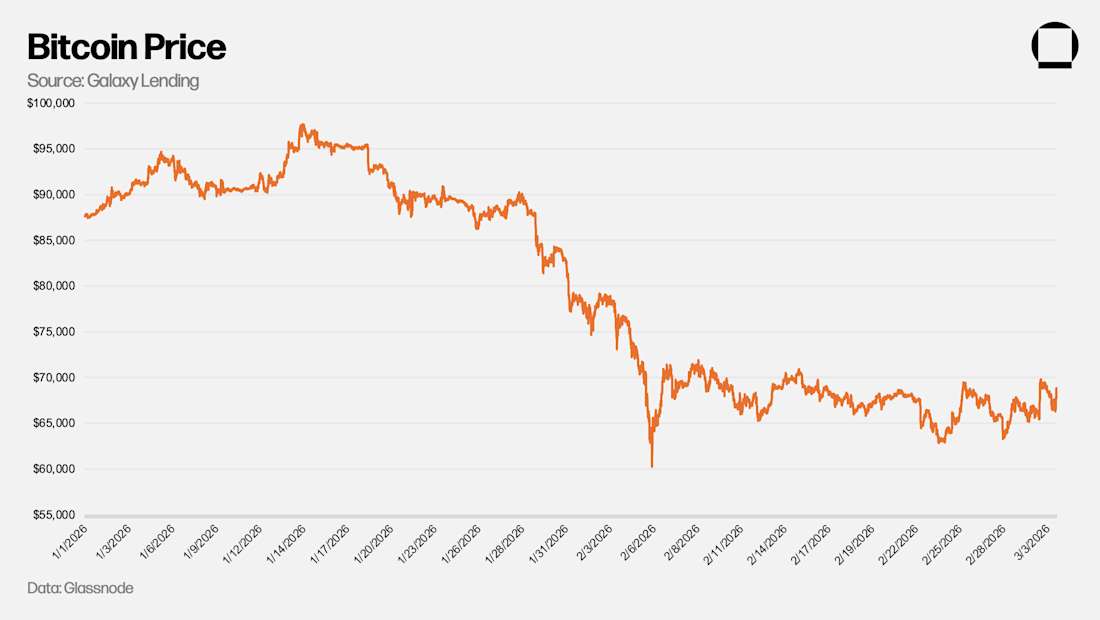
Maintain collateralization above 125% during market dips. Lower ratios increase liquidation risk and damage your reputation. Monitor your positions daily.
Use at least two reputable lending protocols. A single-platform history offers limited data for institutional underwriting. Spread your activity to show broad competence.
No comments yet. Be the first to share your thoughts!