
How crypto credit scores work in 2026
The concept of a "crypto credit score" no longer refers to a single number pulled from a centralized bureau. Instead, it represents an on-chain reputation built from your lending history, collateral health, and protocol interactions. In 2026, this data is becoming the primary tool for institutional counterparty risk assessment, moving creditworthiness from a private ledger to a transparent, verifiable metric.
Unlike traditional FICO scores, which rely on debt repayment history and credit utilization, crypto credit scores analyze blockchain activity. They evaluate metrics such as loan-to-value ratios, repayment consistency across decentralized finance (DeFi) protocols, and the stability of assets held in custody. This approach allows lenders to assess risk based on actual on-chain behavior rather than personal identifiers.
Regulatory shifts in 2026 have further clarified how this data is handled. With new reporting obligations, such as India’s Schedule VDA requirements, the line between tax compliance and credit reporting is blurring. Authorities are cross-checking filings against exchange data, meaning your on-chain activity is increasingly subject to formal scrutiny. For borrowers, this transparency can lower borrowing costs, but it also means every transaction contributes to a permanent public record of financial health.
Crypto credit score 2026 choices that change the plan
Building a crypto credit score in 2026 requires balancing transparency against privacy and capital efficiency. Unlike traditional FICO models, on-chain scoring evaluates your actual financial behavior rather than just your repayment history. This shift introduces specific tradeoffs that affect how much capital you can lock up and how much of your financial life remains visible to the public ledger.
Capital Lock-Up vs. Borrowing Power
The most immediate tradeoff is the collateral ratio. To generate a positive on-chain credit signal, you must lock assets in smart contracts. Higher credit scores typically require lower liquidation thresholds, but this demands significantly more capital upfront. You are essentially trading liquidity for credibility.
Public Transparency vs. Financial Privacy
On-chain scoring relies on analyzing your transaction history, wallet age, and asset diversity. This means your financial activity is permanently recorded and publicly auditable. While this removes the need for third-party verification, it also means your creditworthiness is visible to anyone who checks the wallet address. You gain access to decentralized lending markets but lose the anonymity of cash transactions.
Protocol Risk vs. Institutional Trust
Traditional credit scores are backed by established institutions. Crypto credit scores are often tied to specific DeFi protocols. If a protocol suffers a smart contract exploit or a governance failure, your credit score and locked collateral are at risk. This creates a dependency on the underlying technology's security rather than just your personal financial discipline.
| Factor | Traditional Credit | Crypto Credit Score |
|---|---|---|
| Basis | Income & Debt-to-Income | Collateral & Transaction History |
| Privacy | Private (Bureau Only) | Public (On-Chain Visible) |
| Access | Bank Approval Required | Smart Contract Execution |
| Risk | Institutional Default | Smart Contract Exploit |
Technical analysis of the underlying collateral assets is essential when managing these tradeoffs. Volatility in assets like Bitcoin directly impacts your loan-to-value ratio and your ability to maintain a healthy credit score without liquidation.
How to choose a crypto credit scoring tool
Traditional credit bureaus ignore your on-chain history. Decentralized credit scoring changes that by evaluating your financial activity within the blockchain ecosystem. This approach generates a score based on how you manage assets, repay loans, and interact with protocols.
Choosing the right tool depends on whether you need a score for institutional lending or personal DeFi access. The landscape splits into two distinct categories: platforms that provide raw data for lenders, and interfaces that translate that data into a usable score for borrowers.
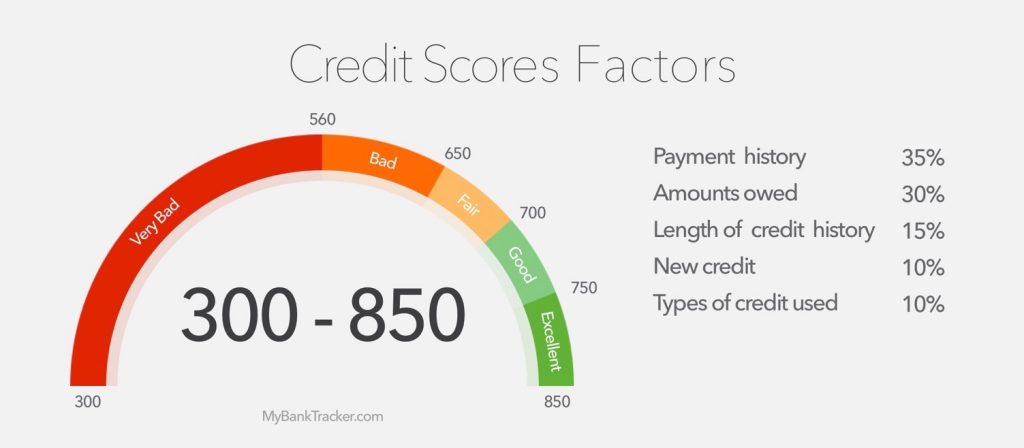
Determine if you are a borrower seeking lower interest rates or a lender assessing counterparty risk. Borrowers should look for platforms that integrate directly with DeFi lending protocols like Aave or Compound. Lenders often require institutional-grade counterparty risk scores, such as those provided by Agio Ratings, to evaluate exchange stability and custodial security.

Decentralized credit scoring relies on public blockchain data. Ensure the platform clearly explains which chains and protocols it monitors. Avoid services that claim to score "off-chain" behavior without clear data provenance. Transparent scoring models allow you to see exactly which transactions improved or lowered your rating.

Not all credit scores are accepted everywhere. If you plan to use your score to access undercollateralized loans, verify that the scoring provider has partnerships with the lending platforms you intend to use. A score from a niche provider may have no value on major DeFi lending hubs.
Spotting the traps in crypto credit scores
DeFi lending protocols now track on-chain activity to build a crypto credit score, but the data is noisy and often misleading. Unlike traditional credit reports, these scores rarely account for off-chain liabilities or sudden market volatility. Users frequently mistake high on-chain volume for reliability, ignoring that a single large deposit can artificially inflate a rating. This creates a false sense of security for lenders and borrowers alike.
Common mistakes in DeFi lending
Many platforms use opaque algorithms that prioritize token collateral over repayment history. This means a user with a history of defaults can still access high-yield loans if they hold sufficient volatile assets. The risk is that these systems fail to capture long-term financial stability, focusing instead on short-term liquidity. Always verify the underlying metrics before trusting a protocol’s internal rating.
Weak options to avoid
Some services claim to offer "instant credit scores" based on minimal wallet interactions. These are often marketing gimmicks with no real predictive power. Look for platforms that integrate verified identity proofs or multi-year transaction histories. Without these, the score is just a reflection of current holdings, not creditworthiness. Stick to protocols with transparent, auditable scoring models to avoid hidden risks.
Crypto credit score 2026: what to check next
The landscape of digital finance is shifting, and with it, the way risk is assessed. As on-chain activity becomes more integrated with traditional finance, understanding how your digital footprint translates into creditworthiness is no longer optional. Here are the practical answers to the most common questions about crypto credit scoring in 2026.
No comments yet. Be the first to share your thoughts!