
DeFi credit scores explained
A DeFi credit score is an algorithmic representation of a wallet’s financial behavior and reliability. Unlike traditional FICO scores, which rely on banked financial history and centralized reporting, these scores evaluate on-chain activity, lending patterns, and transactional consistency. They serve as a digital reputation metric, allowing protocols to assess risk without a central authority.
This shift enables under-collateralized lending, a significant departure from the overcollateralized model that dominates current DeFi. In traditional DeFi, borrowers often must lock up 150% or more of their asset value to secure a loan. DeFi credit scores replace these rigid collateral requirements with behavioral data, allowing borrowers to access liquidity without locking up excessive capital.
The mechanism relies on aggregating data points such as repayment history on decentralized exchanges, frequency of interactions with stablecoins, and overall wallet age. By analyzing these patterns, lending platforms can assign a risk rating that determines interest rates and borrowing limits. This creates a more efficient capital market where creditworthiness is determined by verifiable on-chain actions rather than static asset holdings.
How on-chain reputation models work
DeFi credit scores function as a digital ledger of reliability, translating on-chain activity into a quantifiable measure of trust. Unlike traditional credit bureaus that rely on off-chain identity verification, these models analyze the blockchain’s immutable history to predict future repayment behavior. The system essentially treats every transaction as a data point in a larger risk assessment, allowing lenders to underwrite loans without knowing the borrower’s legal identity.
At the core of this process is the analysis of payment history and consistency. Algorithms track the length of time a wallet has been active, the regularity of repayments, and the proximity of transactions to due dates. A borrower who consistently repays loans on time builds a stronger reputation than one with sporadic activity, even if both have similar collateral. This granular tracking allows protocols to differentiate between high-risk and low-risk users based purely on their financial behavior on-chain.
To manage uncertainty, many protocols employ probabilistic risk models such as the On-Chain Credit Risk Score (OCCR). This framework quantifies credit risk by calculating the probability of default based on historical data patterns. By treating creditworthiness as a statistical probability rather than a binary approval, lenders can adjust interest rates and loan-to-value ratios dynamically. This approach enables more precise risk management, ensuring that capital is allocated to borrowers with the highest likelihood of repayment.
The integration of artificial intelligence further refines these models by identifying complex patterns that traditional statistical methods might miss. AI-driven systems can analyze non-linear relationships between different on-chain activities, such as NFT trading, liquidity provision, and lending behavior. This allows for a more holistic view of a borrower’s financial health, capturing nuances that simple payment history might overlook. As these models evolve, they are becoming increasingly sophisticated in their ability to assess risk in a decentralized environment.
Leading DeFi credit score platforms
The market for DeFi credit scoring has matured from experimental prototypes into a tiered ecosystem of specialized providers. As of 2026, the landscape is dominated by three primary architectures: zero-knowledge proof systems, off-chain data aggregators, and hybrid oracle networks. Each approach solves the privacy-risk trade-off differently, allowing lenders to assess borrower reliability without exposing sensitive on-chain histories to the public ledger.
Credora
Credora operates as a bridge between traditional finance and decentralized lending. By integrating off-chain data sources, it allows borrowers to build credit profiles that include real-world assets and traditional payment histories. This approach is particularly valuable for institutional lenders who require compliance with KYC/AML standards while still offering under-collateralized loans. Credora’s model prioritizes regulatory alignment, making it a preferred choice for traditional banks entering the DeFi space.
zkCredit
zkCredit focuses exclusively on privacy-preserving verification. Using zero-knowledge proofs, it enables borrowers to prove their creditworthiness without revealing their transaction history or identity. This is critical for users who value financial privacy but still need access to DeFi liquidity. zkCredit’s protocol is designed to be chain-agnostic, allowing seamless integration across Ethereum, Solana, and other major networks without compromising user data.
ChainAware
ChainAware takes a hybrid approach, combining on-chain activity analysis with off-chain reputation signals. It aggregates data from multiple sources to create a comprehensive risk score that updates in real-time. This dynamic scoring model helps lenders adjust risk parameters based on current market conditions and borrower behavior. ChainAware’s transparency in its scoring methodology makes it a trusted tool for both retail and institutional DeFi users.
Platform Comparison
The table below summarizes the key differences between these leading platforms. Lenders should choose based on their specific needs for privacy, regulatory compliance, and data freshness.
| Platform | Privacy Model | Supported Chains | Integration Ease |
|---|---|---|---|
| Credora | Off-chain KYC | Ethereum, Polygon | API-first |
| zkCredit | Zero-knowledge proofs | Multi-chain | SDK-based |
| ChainAware | Hybrid aggregation | Ethereum, Solana | Oracle-based |
Regulatory risks and legal challenges
DeFi credit scores operate in a regulatory gray zone where traditional financial laws collide with decentralized protocols. The primary tension lies in data privacy. Algorithms that aggregate on-chain history to build a borrower’s profile often conflict with strict data protection frameworks like the GDPR in Europe and the CCPA in California. These regulations grant users the "right to be forgotten," a concept that is technically incompatible with immutable blockchain records. If a protocol stores personal identifiers or sensitive transaction metadata on-chain, it risks significant legal penalties. Even off-chain storage solutions face scrutiny if they cannot guarantee that data can be fully erased upon request.
Beyond privacy, the "black box" nature of algorithmic scoring introduces legal liability. Traditional credit bureaus are bound by the Fair Credit Reporting Act (FCRA), which requires them to provide consumers with the specific reasons for a denied loan. DeFi protocols, however, often use opaque machine learning models to assess risk. This lack of transparency makes it difficult for borrowers to challenge adverse decisions or for regulators to audit for bias. As noted in legal scholarship, this automated opacity creates a "black box 3.0" scenario where accountability is nearly impossible to enforce.
The legal distinction between crypto-native and traditional credit also complicates enforcement. Traditional lenders are chartered entities subject to federal oversight. DeFi protocols, often governed by anonymous developers or decentralized autonomous organizations (DAOs), lack a clear legal person to sue or regulate. This jurisdictional ambiguity allows protocols to operate across borders, but it also means that users have limited recourse if a scoring algorithm malfunctions or if their data is mishandled. As regulators tighten their grip, protocols that fail to implement compliant, explainable scoring models may find themselves unable to operate in major markets.
Building your on-chain credit history
Your on-chain credit score is not a static number; it is a dynamic record of your financial behavior. Lending protocols assess risk by analyzing the length, regularity, and consistency of your payment history. To improve your standing, you must treat every transaction as a data point that contributes to your reputation.
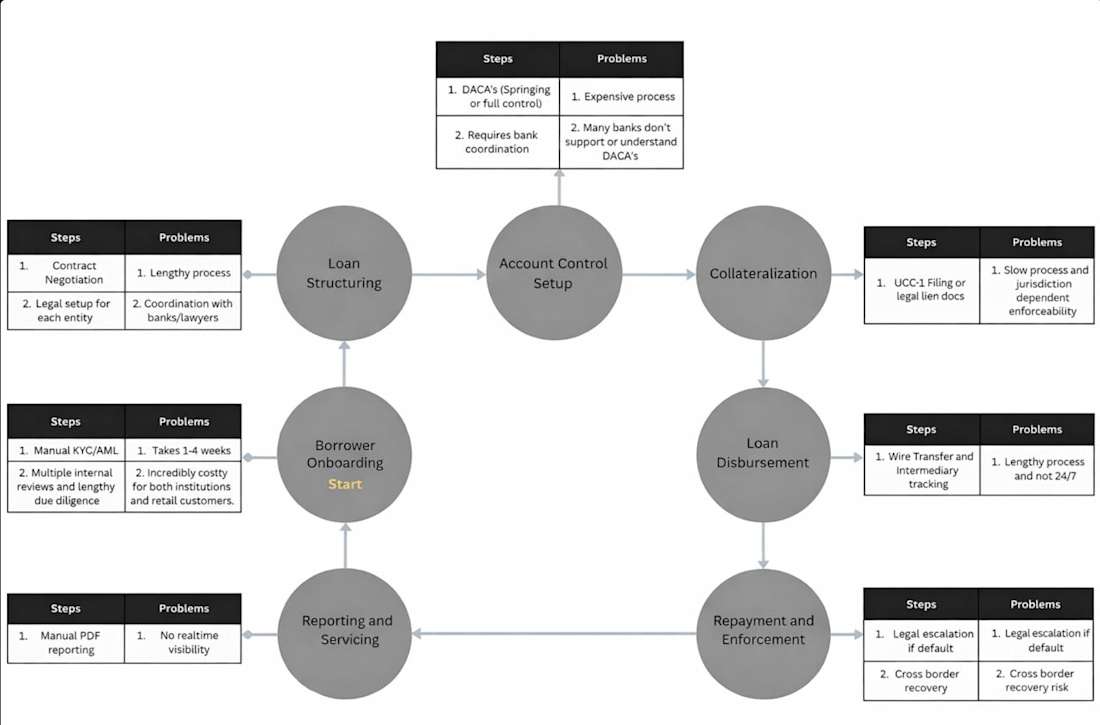
Consistency is the primary driver of a high score. Repaying loans on or before the due date demonstrates reliability. Even a single missed payment can significantly lower your creditworthiness, making future borrowing more expensive or impossible.
Protocols favor wallets that show sustained engagement rather than sporadic use. Regularly interacting with reputable lending platforms builds a richer data profile. This activity helps algorithms understand your cash flow patterns and financial stability over time.
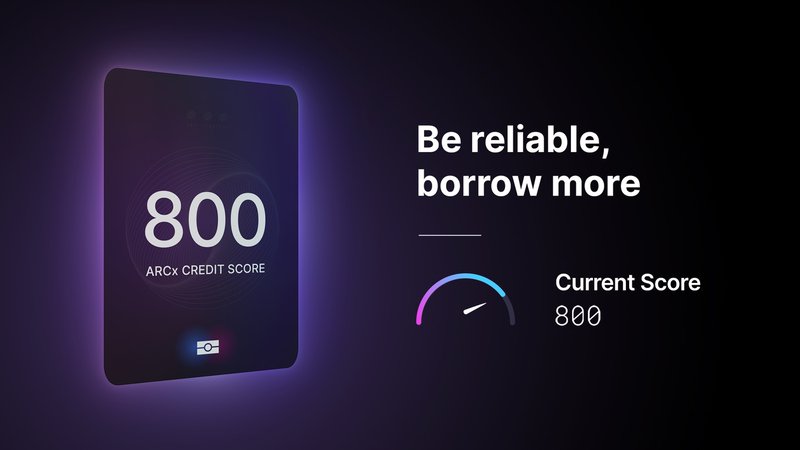
Stick to established, audited platforms. Your history on a trusted protocol carries more weight than activity on obscure or high-risk sites. Building your score on reliable infrastructure ensures that your positive actions are accurately recorded and recognized across the ecosystem.
-
Repay all loans on time
-
Maintain consistent wallet activity
-
Use reputable lending protocols
By focusing on these core behaviors, you establish a verifiable track record. This history serves as your financial identity in the decentralized world, unlocking better rates and higher borrowing limits.
No comments yet. Be the first to share your thoughts!