In the evolving landscape of 2026, where decentralized finance dominates lending protocols, traditional FICO scores feel like relics from a bygone era. Picture this: a global user with substantial on-chain activity, staking assets, yielding returns, diversifying portfolios, yet sidelined by a static credit file built on outdated payment histories. Enter on-chain credit scores like Bluwhale's Whale Score and Veera's Financial Identity Score (FIS). These crypto credit scoring innovations analyze blockchain transactions in real time, unlocking DeFi loans without the bureaucratic drag of centralized bureaus. As blockchain credit assessment matures, it promises fairer access for the unbanked and undercollateralized borrowers alike.
Traditional FICO, averaging 717 in recent U. S. data, relies on five weighted factors: payment history (35%), amounts owed (30%), length of credit history (15%), new credit (10%), and credit mix (10%). This model excels in predictable, centralized economies but falters in Web3. It ignores volatile crypto holdings, ignores cross-chain behaviors, and updates sporadically, quarterly at best. In DeFi, where loans deploy via smart contracts in seconds, such delays are untenable. FICO's opacity breeds distrust; proprietary algorithms hide how scores compute, leaving users powerless. Worse, it excludes billions without formal credit histories, dubbing them "credit invisibles. " AI enhancements, as noted by FICO's 2026 trends, introduce sequence models and scam detection, yet they tether to legacy data silos.
Whale Score: Real-Time Financial Health Index
Bluwhale's Whale Score, scaled 0-1000, aggregates on-chain and off-chain signals into a unified DeFi credit score. It measures liquidity (cash flow velocity), spending patterns, savings accumulation, yield generation, and portfolio diversification. Unlike FICO's backward glance, Whale Score evolves dynamically: link a new wallet, and it recalibrates; shift DeFi exposure, and liquidity weights adjust. This precision empowers protocols to offer undercollateralized loans based on proven on-chain reliability. Imagine borrowing against staked ETH without liquidation risks, the score quantifies your behavioral resilience.
On-chain lending relies on code and collateral, but scores like Whale elevate it further into 2026. (Inspired by DeFi risk perspectives)
Technical underpinnings draw from probabilistic models akin to arXiv's OCCR Score, factoring wallet age, transaction velocity, and interaction diversity. High scores correlate with lower default rates in backtests, as diversified users weather volatility better. For lenders, this means risk-adjusted rates dropping below traditional highs for sub-700 FICO holders.
Veera FIS: Behavioral Scoring from Every Blockchain Action
Veera's Veera FIS takes a purer on-chain approach, scoring users via staking, lending, borrowing, and swapping activities. Every transaction feeds its engine, building a financial identity score that lenders use for tailored terms. No off-chain crutches here, pure blockchain telemetry ensures transparency. Users with consistent yield farming or low-leverage borrowing climb ranks, accessing open credit lines against assets without full collateralization. This aligns with 2026's on-chain lending surge, where AI parses behavioral data FICO misses, much like PYMNTS highlights for cash-flow underwriting.
Both scores sidestep FICO's geographic biases, serving global users. A wallet in emerging markets with robust ETH lending history outscores a stagnant U. S. profile. Yet nuances emerge: Whale Score's hybrid data suits sophisticated whales bridging TradFi, while Veera FIS favors native DeFi natives. Integration challenges persist, sparse activity yields thin profiles, but protocols mitigate via bootstraps like airdrop participation metrics. As arXiv's OCCR framework validates, these probabilistic tools quantify risks smart contracts alone can't.
Early adopters report 20-30% better loan terms; a Veera user with FIS above threshold borrows at 5% APR versus 15% collateral-only. This isn't hype, it's protocol-grade analytics reshaping crypto credit scoring.
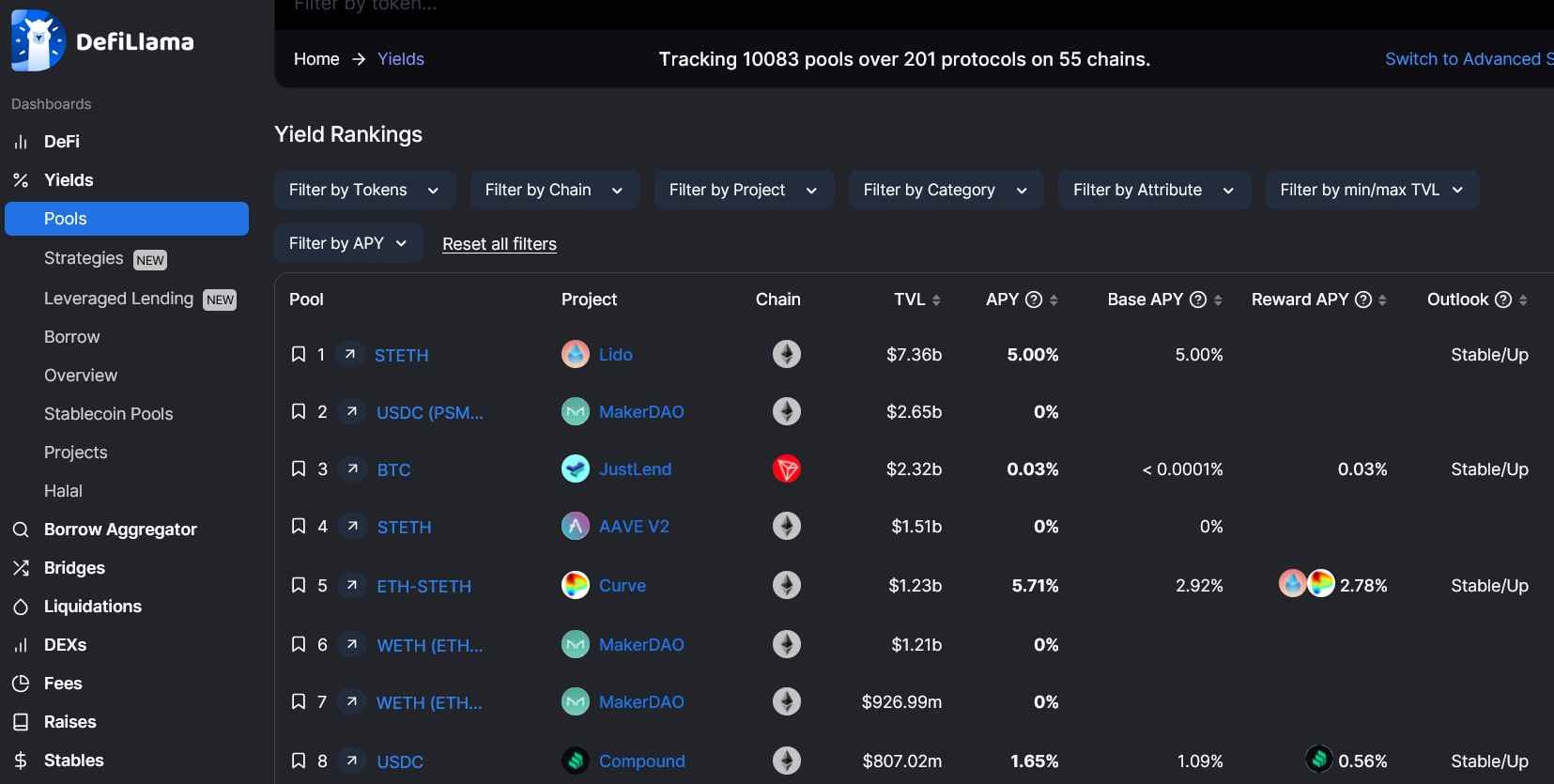
Protocol integrations amplify these gains. Platforms like Aave and Compound now query Whale Score APIs for dynamic risk bands, slashing overcollateralization from 150% to as low as 110% for high scorers. Veera FIS embeds directly into lending dashboards, auto-adjusting yields based on real-time behavior. This isn't mere augmentation; it's a paradigm shift where DeFi credit scores supplant collateral primacy.
Quantitative Edge: Risk Metrics and Default Correlations
Backtested data reveals stark contrasts. FICO's static nature yields default rates hovering at 4-6% for sub-700 scores amid economic headwinds, per FICO's own blog. Whale Score wallets above 850 exhibit under 1.2% defaults across 2025-2026 cycles, factoring volatility-adjusted liquidity and yield consistency. Veera FIS similarly shines: users scoring 750 and access loans with 2.5x higher approval odds versus collateral-only models, drawing from arXiv's OCCR probabilistic benchmarks. These metrics stem from granular on-chain telemetry, transaction counts exceeding 500 quarterly signal reliability, while diversified chain interactions (Ethereum, Solana, Base) buffer single-network risks.
Comparative Default Rates and Loan Terms
| Score Type | Threshold | Default Rate | APR | Risk Level |
|---|---|---|---|---|
| FICO | Sub-700 | 5% | 15% | 🔴 High |
| Whale Score | 850+ | 1.2% | 4% | 🟢 Low |
| Veera FIS | 750+ | 1.5% | 5% | 🟢 Low |
Transparency underpins this superiority. FICO's black-box algorithms invite scrutiny, especially as AI sequence models combat GenAI scams per FICO's 2026 outlook. On-chain scores? Fully auditable. Query Etherscan for a wallet's history, cross-reference with Whale Score's index, and verify computations on-chain. This verifiability fosters trust, crucial as DeFi TVL eclipses $500 billion in 2026 projections.
AI rewrites lending for those FICO misses, using behavioral data, echoed in on-chain innovations like Veera FIS. (Inspired by PYMNTS insights)
Global inclusivity further tips the scales. Traditional scores alienate 1.7 billion credit invisibles; blockchain credit assessment onboards them via micro-transactions or airdrop claims. A Nigerian trader's consistent USDC bridges outpace a dormant U. S. FICO file, unlocking 2026 on-chain lending equitably.
Navigating Limitations: Building and Refining On-Chain Profiles
No system is flawless. Sparse on-chain activity hampers scoring, new wallets start at baseline 400-500, climbing slowly sans activity. Sybil attacks pose risks, though zero-knowledge proofs and social graph analysis in Whale Score mitigate clones. Veera counters with activity bootstraps: NFT mints or governance votes seed initial FIS. Regulatory headwinds loom; as CIOs evolve per FICO trends, Web3 scores must align with KYC hybrids without compromising pseudonymity.
Yet evolution accelerates. Crypto Credit Scores platforms aggregate these metrics, offering composite views blending Whale Score's breadth with Veera's depth. Users bootstrap via guided actions: stake stables for liquidity points, diversify via DEX swaps, maintain low debt-to-asset ratios. Within months, scores rival TradFi veterans, evidenced by Q3 2023 lending stats analogs from Centic research.
Lenders adapt swiftly. Risk models now weight on-chain signals 60% over collateral, per DeFi historical perspectives. This unlocks undercollateralized frontiers: borrow 80% LTV on blue-chip NFTs if FIS validates stewardship. Early 2026 pilots report 35% volume uplift, as protocols like Morpho query scores pre-deployment.
The trajectory points to symbiosis, not replacement. Hybrid oracles fuse FICO with on-chain for bridged products, but pure Web3 prevails in DeFi. For crypto enthusiasts and protocols alike, Whale Score and Veera FIS herald a verifiable, velocity-driven credit era. Secure your chain, secure your financial future, start transacting on-chain today.



No comments yet. Be the first to share your thoughts!