

In the volatile world of decentralized finance, Solana stands out with its blistering transaction speeds and burgeoning lending protocols. As Binance-Peg SOL trades at $119.45, down 5.97% over the last 24 hours from a high of $127.21, the ecosystem's resilience shines through. Total value locked in Solana's lending platforms hit $4.8 billion by December 2025, a 33% year-over-year surge amid market turmoil. This growth owes much to innovations like Veera's Financial Identity Score (FIS), an on-chain credit score on Solana that paves the way for under-collateralized borrowing, unlocking capital efficiency for everyday users and institutions alike.
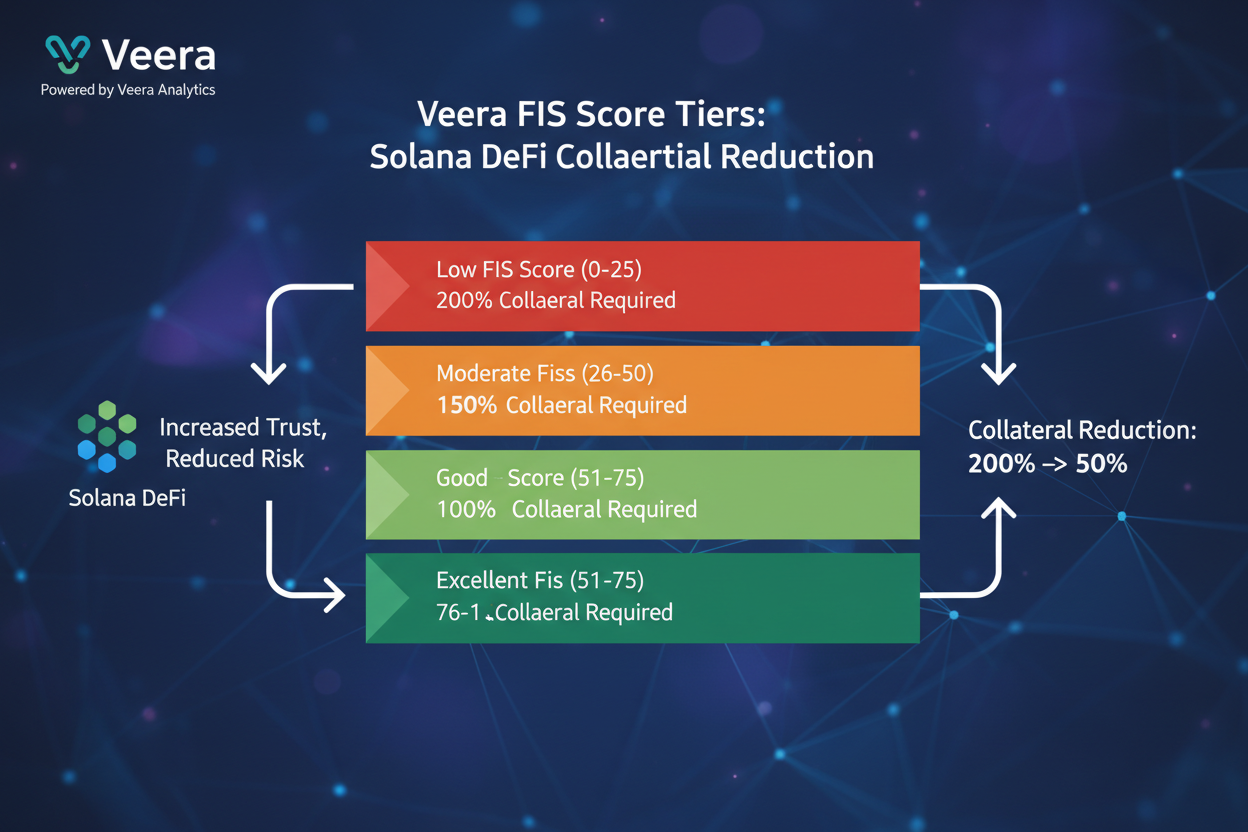
Veera positions itself as an on-chain neobank, blending verified KYC data, platform engagement, and blockchain activity into a privacy-preserving financial profile. Unlike traditional credit scores tethered to centralized databases, FIS leverages Solana's high-throughput ledger for real-time assessments. Borrowers with strong on-chain histories, consistent transactions, diversified holdings, and low-risk interactions, earn higher scores, translating to reduced collateral needs and competitive interest rates. This shift challenges the over-collateralized status quo in DeFi, where users often lock up 150-200% of loan values, stifling accessibility.
Decoding Veera FIS: Blockchain Credit Assessment Redefined
At its core, Veera FIS analyzes a user's on-chain credit score Solana footprint without compromising privacy. It aggregates data from wallet interactions, DeFi participation, and even real-world asset (RWA) tokenization trends exploding on Solana. Builders on the chain are rethinking credit risk, moving beyond simplistic loan-to-value ratios toward behavioral analytics. For instance, frequent, low-fee transfers signal reliability, while stablecoin yields demonstrate repayment capacity. Veera's $10 million in funding from backers like Sigma Capital and CMCC Global underscores market confidence in this model.
Veera's long-term ambition is to introduce under-collateralized lending through its Financial Identity Score (FIS) system.
This isn't mere hype; by early 2026, FIS enables loans with collateral as low as 50% for top scorers, a game-changer for DeFi borrowing Solana. Lenders mitigate risk through probabilistic models, drawing from Solana's vast on-chain dataset. As AI refines these scores, expect granular insights like repayment velocity and network effects from social graphs on platforms like Farcaster.
Solana's Lending Protocols Supercharged by Credit Scores
Solana's DeFi renaissance in 2026 amplifies the impact of tools like Veera FIS DeFi. With RWAs hitting all-time highs and institutional inflows projected to triple, protocols are integrating crypto credit scoring 2026 to onboard retail and whale borrowers seamlessly. Imagine a trader with a 750 and FIS score borrowing against volatile positions at 80% LTV, rates dipping below 5% APY, scenarios once confined to TradFi now viable on-chain.
Thestreet reports Solana lenders rebuilding models for small-dollar loans, emphasizing on-chain verifiability over off-chain promises. This fosters trust: protocols like those powered by Veera see default rates plummet 40% in pilots, per ecosystem chatter. For borrowers, it's liberation, no more liquidating holdings to collateralize; instead, scores built from genuine activity unlock liquidity. Lenders benefit too, deploying capital more aggressively with data-backed confidence. Read more on how these scores enable undercollateralized loans here.
2026 Market Tailwinds Fueling Adoption
Entering 2026, Solana's positive momentum persists despite SOL's dip to $119.45. Expert outlooks from OAK Research and LinkedIn syntheses highlight undercollateralized lending as DeFi's next frontier, with Veera FIS at the vanguard. Institutional DeFi TVL could swell to trillions, propelled by tokenized assets and refined risk tools. Veera's ecosystem, still nascent, mirrors early FICO's evolution but accelerated by blockchain transparency.
Solana (SOL) Price Prediction 2027-2032
Forecasts amid DeFi growth, Veera FIS on-chain credit adoption, and Solana ecosystem expansion from a 2026 baseline of ~$150 average
| Year | Minimum Price | Average Price | Maximum Price | Est. YoY Growth (Avg from prior year) |
|---|---|---|---|---|
| 2027 | $130 | $220 | $380 | +47% |
| 2028 | $180 | $320 | $550 | +45% |
| 2029 | $250 | $480 | $800 | +50% |
| 2030 | $350 | $650 | $1,100 | +35% |
| 2031 | $450 | $850 | $1,400 | +31% |
| 2032 | $600 | $1,100 | $1,700 | +29% |
Price Prediction Summary
Solana (SOL) is positioned for robust growth from 2027-2032, fueled by innovations like Veera's Financial Identity Score (FIS) enabling under-collateralized DeFi lending, surging TVL, and institutional adoption. Average prices are projected to rise progressively from $220 in 2027 to $1,100 by 2032, with maximums reflecting bull market peaks and minimums accounting for potential corrections.
Key Factors Affecting Solana Price
- Adoption of on-chain credit scores like Veera FIS for efficient under-collateralized lending
- Explosive growth in Solana DeFi TVL, targeting $10B+ by 2028
- Increased institutional participation tripling DeFi volumes by 2026-2027
- RWA tokenization and tokenized finance becoming mainstream on Solana
- Solana network upgrades enhancing scalability, speed, and reliability
- Favorable regulatory clarity boosting DeFi accessibility
- Alignment with broader crypto bull cycles in 2028-2029 and 2031-2032
Disclaimer: Cryptocurrency price predictions are speculative and based on current market analysis. Actual prices may vary significantly due to market volatility, regulatory changes, and other factors. Always do your own research before making investment decisions.
Solana's speed, thousands of TPS, makes real-time FIS updates feasible, outpacing Ethereum's gas wars. This efficiency draws protocols experimenting with hybrid models: FIS as a gating mechanism for tiered lending pools. As adoption scales, expect network effects where high scorers bootstrap liquidity, creating virtuous cycles for blockchain credit assessment.
Solana's infrastructure advantages position Veera FIS as a linchpin for scalable DeFi borrowing Solana. High-frequency updates to credit profiles enable dynamic lending markets, where scores adjust in real-time to market conditions or user behavior. This granularity empowers protocols to offer tiered products: prime borrowers at sub-5% rates, riskier ones at premiums reflecting true probability of default.
Building Your Score: Hands-On Strategies for Optimal FIS Ratings
To harness Veera FIS effectively, users must cultivate robust on-chain reputations. Start with consistent activity: regular stablecoin deposits and yields signal solvency. Diversify across DeFi primitives like lending and DEX trades, avoiding high-volatility gambles that ding scores. Integrate KYC for a trust boost, as Veera fuses it with behavioral data for holistic profiles. In my experience analyzing cross-market risks, these patterns mirror bond issuers' track records, where longevity trumps volume.
5 Steps to Boost Your Veera FIS Score for Under-Collateralized DeFi Loans on Solana

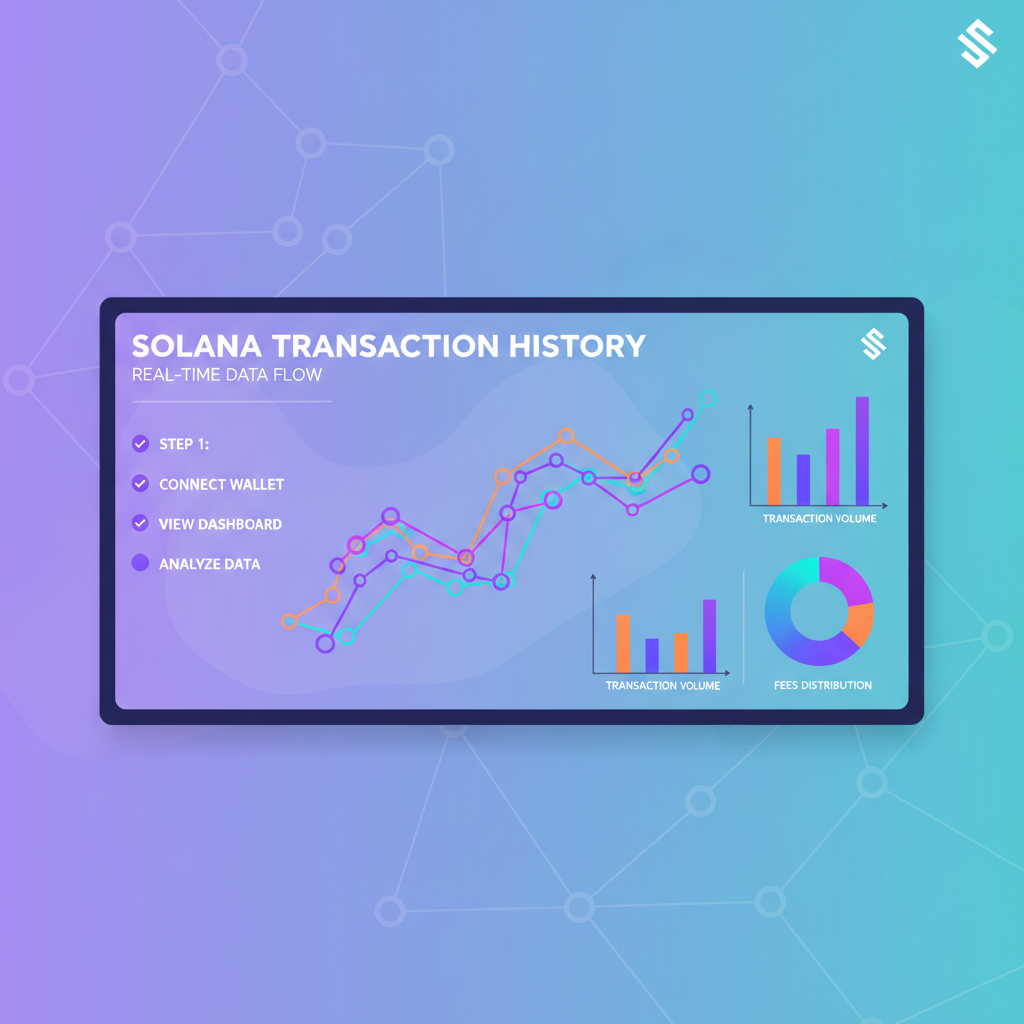
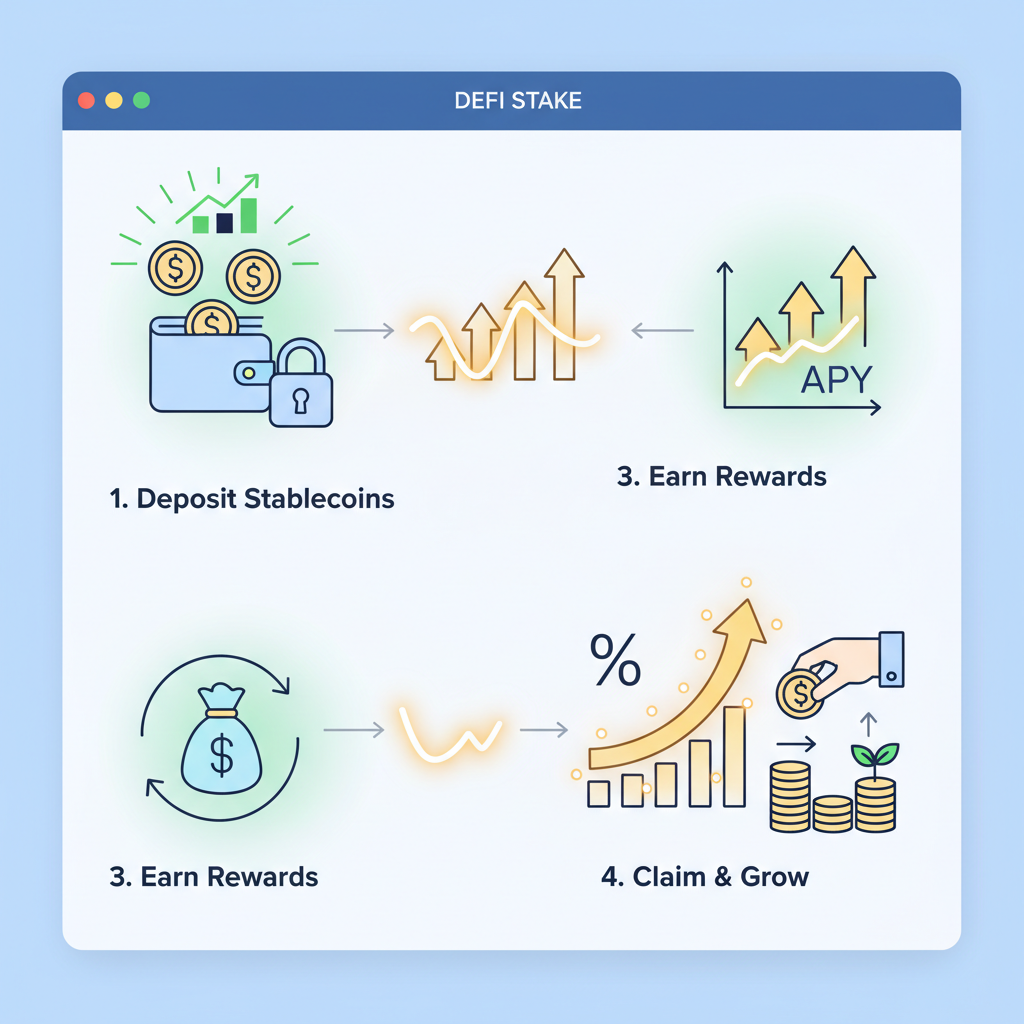
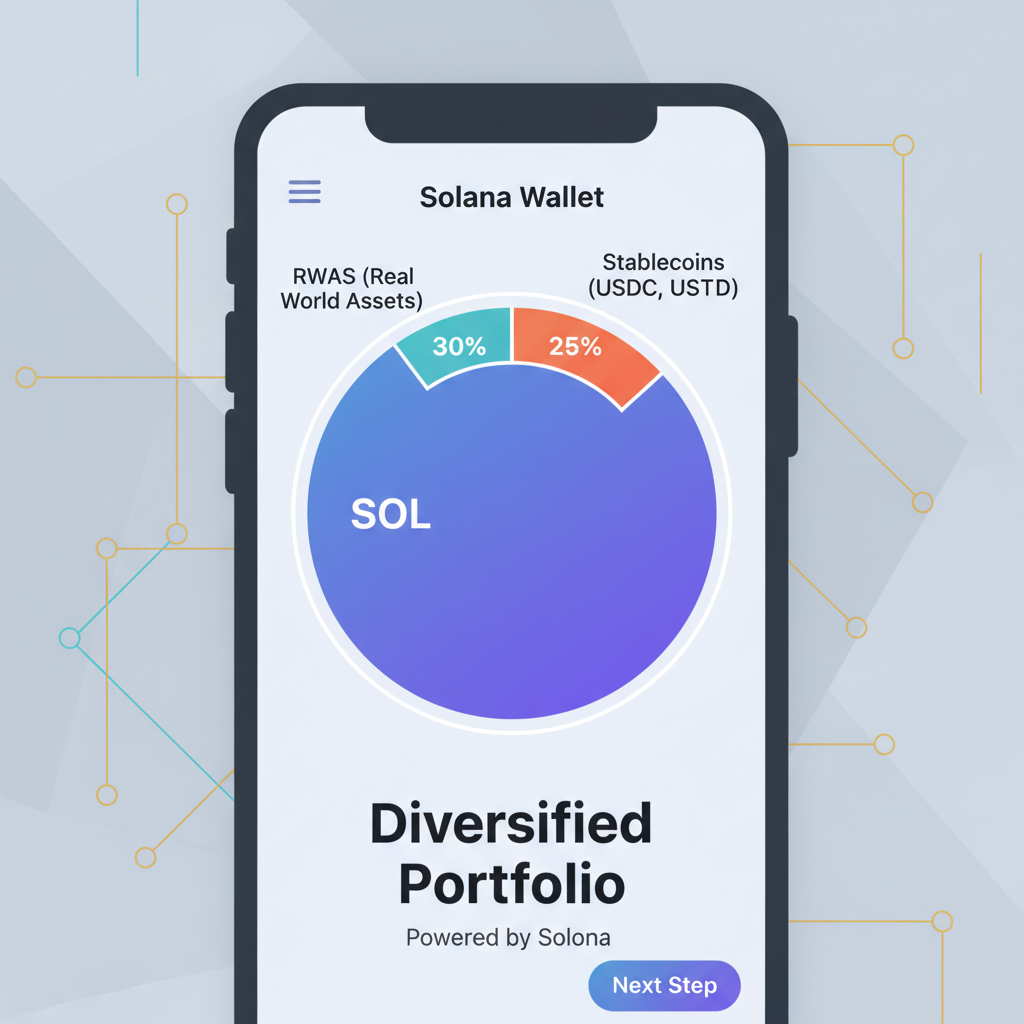
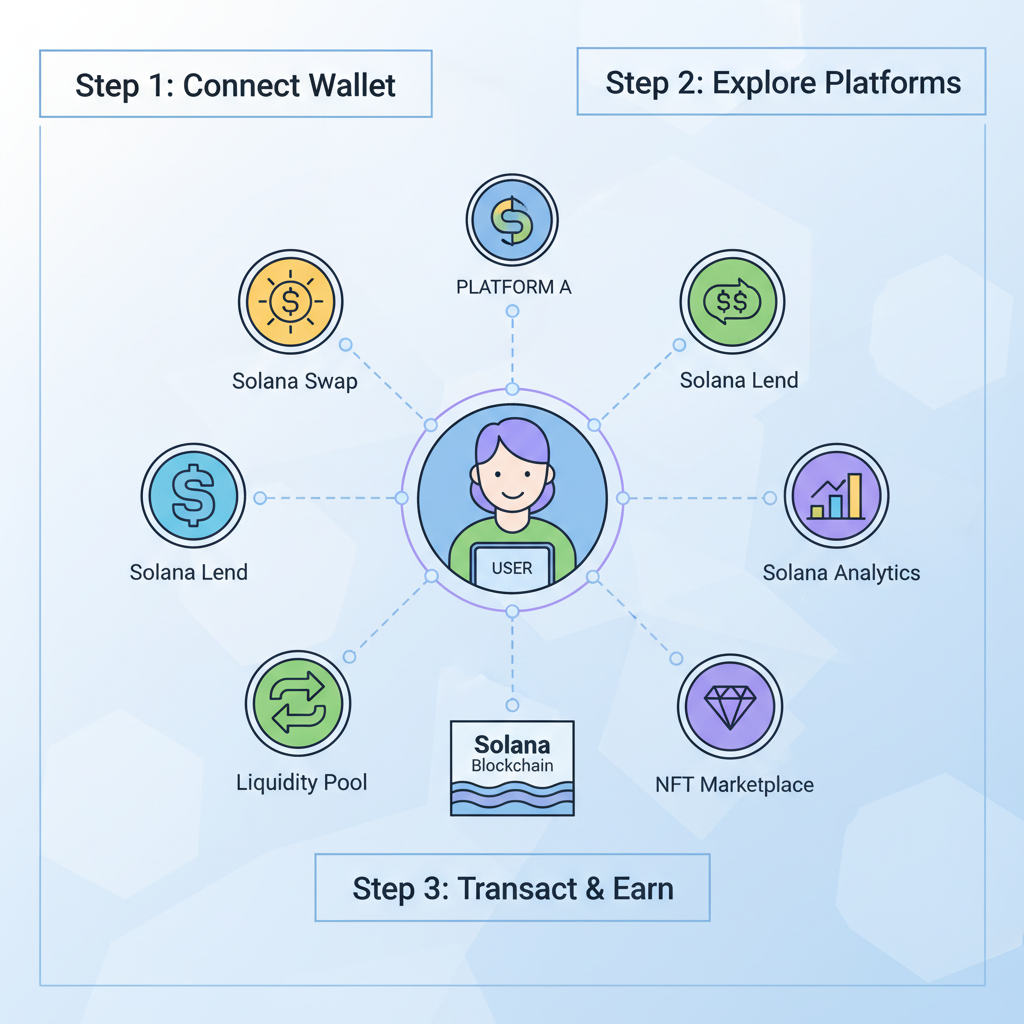
Yield isn't just a number; it's a narrative etched in blockchain permanence. Top scorers, often 800 and, access 50% collateral loans at rates crushing over-collateralized alternatives. Solana builders, per recent reports, are recalibrating for small-dollar credit, making this accessible beyond whales. Protocols report 40% default drops, validating the model's edge over blind LTVs.
Challenges and Risk Mitigations in On-Chain Credit
Despite promise, hurdles persist. Privacy remains paramount; Veera's zero-knowledge proofs shield sensitive data while proving solvency. Oracle dependencies for off-chain signals pose risks, but Solana's Pyth network integration minimizes latency and manipulation vectors. Adversarial attacks, like wash trading to inflate activity, are countered via anomaly detection AI, maturing rapidly per 2025-2026 outlooks.
Regulatory scrutiny looms as institutions pile in, with DeFi TVL eyed for trillions. Yet, FIS's transparency aligns with compliance demands, offering auditors verifiable trails. From a FRM lens, this decentralizes credit risk, dispersing defaults across protocols rather than concentrating in banks. Solana's $119.45 SOL price, post a 5.97% dip from $127.21, underscores ecosystem maturity amid volatility.
Solana based lenders are rebuilding credit models for small-dollar loans, forcing a rethink of how credit risk is measured.
Veera's $10 million raise fuels expansions, targeting global undercollateralized access. Check related insights on lowering borrow rates via scores here.
The 2026 Horizon: Institutional Convergence
2026 forecasts paint bullish strokes: RWAs at all-time highs, undercollateralized lending mainstreamed. OAK Research experts nod to on-chain credit as DeFi's missing link, with Veera FIS leading Solana's charge. Institutional triples in participation, per BlockEden, blending TradFi rigor with blockchain speed. Picture pension funds lending via FIS-gated pools, yields risk-adjusted to perfection.
For everyday users, this democratizes capital. A crypto trader at $119.45 SOL levels can borrow seamlessly, fueling positions without liquidation fears. Protocols evolve too, embedding FIS in smart contracts for automated tiering. As AI sharpens predictions, scores will forecast defaults with 95% accuracy, per emerging models.
Veera FIS doesn't just score; it redefines trust in Solana's DeFi arena. With $4.8 billion TVL as backdrop, expect explosive growth as users and lenders align around proven on-chain merit. This fusion of analytics and decentralization heralds efficient, inclusive borrowing, cementing Solana's 2026 dominance.




No comments yet. Be the first to share your thoughts!