Decentralized identity limits to account for
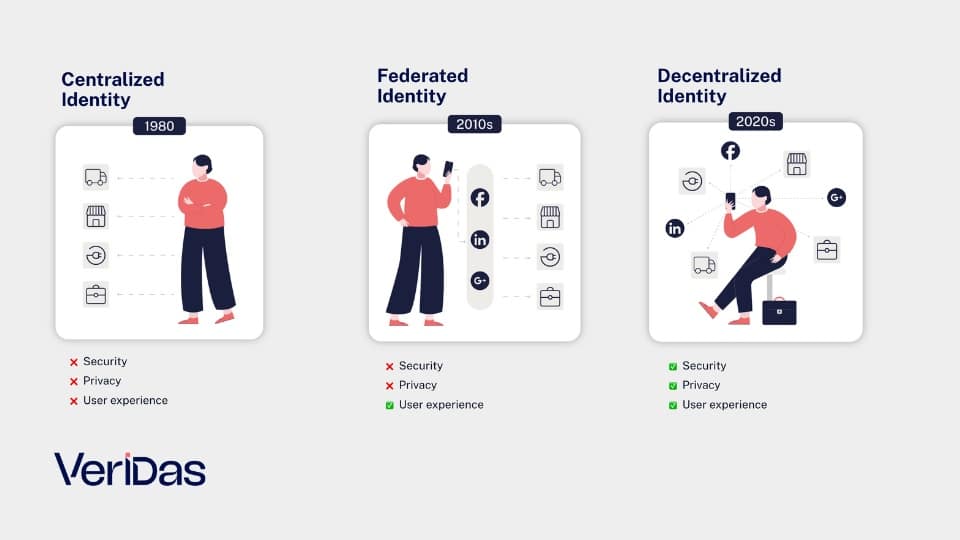
Decentralized identity (DID) shifts control of personal data from central authorities to the individual. In traditional systems, a single entity like a government agency or tech platform stores and verifies your identity. You rely on them to keep your records safe and accurate. If their database is breached, your identity is exposed.
Decentralized identity uses distributed ledger technology to create a framework where you own, manage, and control your personal information. Instead of storing raw personal data, the system stores cryptographic proofs of identity credentials. These proofs act as a verifiable registry. You can share specific proofs, like age verification, without revealing your full name or address. This approach significantly reduces the risk of large-scale data breaches.
This shift is critical for crypto credit scores. Lenders need to verify your financial history without accessing your entire digital life. DID allows you to present only the necessary financial proofs. You maintain privacy while proving creditworthiness. This constraint ensures that your sensitive data remains under your control, making decentralized identity the foundation for secure, private credit scoring in the decentralized finance (DeFi) ecosystem.
Decentralized identity choices that change the plan
Decentralized identity (DID) shifts control from central authorities to you, but it introduces specific risks that credit providers must weigh. Unlike traditional systems where a bank holds your data, DIDs use distributed ledger technologies to store cryptographic proofs rather than personal details [src-serp-2]. This separation offers privacy, yet it demands rigorous verification of the underlying identity infrastructure.
The primary tradeoff lies in the balance between sovereignty and accessibility. When you own your credentials, you reduce the attack surface for large-scale data breaches. However, this model requires users to manage private keys and recovery phrases. If a user loses access to their DID, the credit history tied to it can become permanently inaccessible, a risk absent in centralized accounts that offer password resets.
Another critical factor is the fragmentation of standards. While the W3C DID specification provides a framework, different platforms implement varying resolution methods and credential formats [src-serp-3]. This lack of universal interoperability means a credit score verified on one decentralized platform may not be instantly readable by another, potentially slowing down loan approvals or increasing integration costs for financial institutions.
To understand the real-world impact of these structural choices, consider how decentralized identity mechanisms interact with broader crypto market dynamics. The volatility of underlying assets often used to secure these identities can influence the stability of the credit ecosystem.
When evaluating decentralized identity solutions for credit scoring, look for platforms that prioritize interoperability and user recovery options. The following comparison breaks down the key tradeoffs between centralized and decentralized identity models to help you decide which approach aligns with your risk tolerance.
| Feature | Centralized ID | Decentralized ID | Tradeoff |
|---|---|---|---|
| Data Ownership | Entity-controlled | User-controlled | Privacy vs. Convenience |
| Recovery | Password reset | Private key management | Ease of use vs. Security risk |
| Interoperability | High (internal systems) | Variable (standards vary) | Speed vs. Fragmentation |
| Breach Impact | Large-scale data leaks | Individual credential compromise | Systemic risk vs. Personal liability |
How to evaluate decentralized identity credit products
Choosing a decentralized identity (DID) provider for credit scoring requires looking beyond the hype. The market is shifting from theoretical frameworks to practical tools that let users control their data. To make the right choice, you need to verify that a solution actually supports the verifiable credentials your target lenders accept.
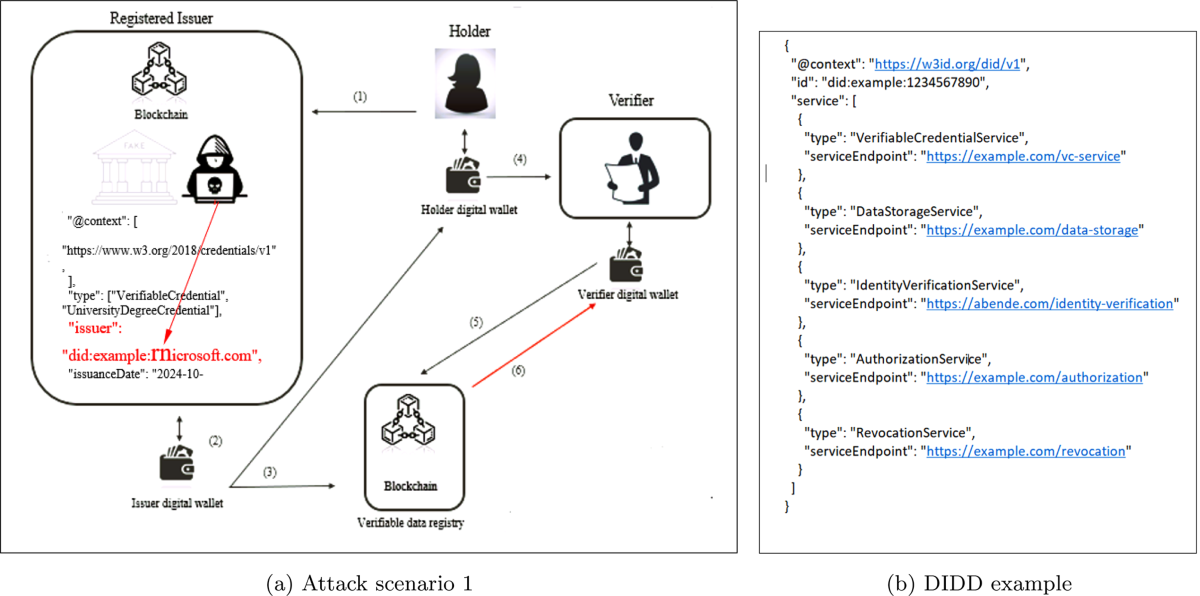
Not all DIDs are created equal. Ensure the platform supports W3C-compliant DID methods like did:ethr, did:key, or did:web. These are the standards most credit scoring protocols rely on for interoperability. If a provider uses a proprietary, closed-loop system, it will likely fail to integrate with broader DeFi lending markets.

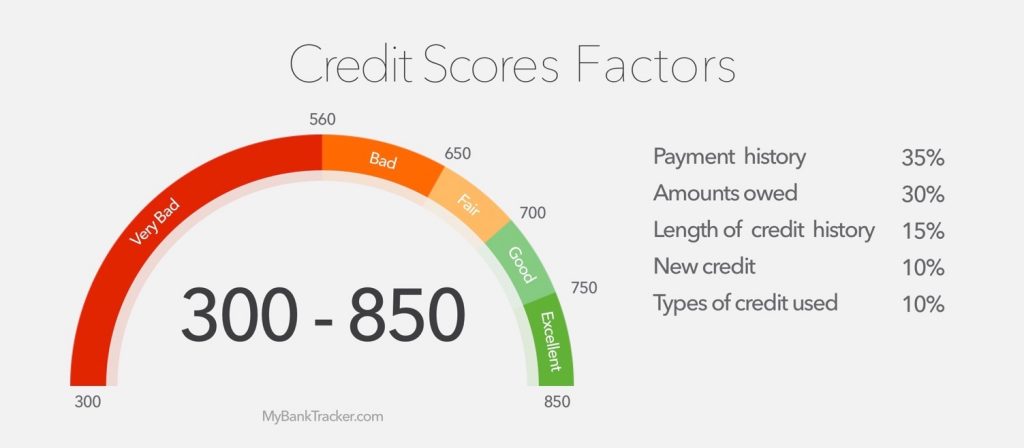
A credit score is only as good as the data behind it. Look for platforms that have partnerships with recognized issuers, such as banks, payment processors, or established blockchain oracle networks. These partners provide the on-chain transaction history or off-chain financial data needed to generate a meaningful score without exposing your raw bank statements.
The core advantage of DID is selective disclosure. The best tools use zero-knowledge proofs (ZKPs) to prove you meet a credit threshold (e.g., "score > 700") without revealing your actual score or identity details. Verify that the platform explicitly supports ZK-verification to ensure lenders can trust the data without seeing everything.
Even the most secure protocol fails if users cannot navigate it. Look for interfaces that abstract away complex wallet management. The ideal experience allows users to link existing financial accounts and receive verifiable credentials with a few clicks, similar to how traditional identity providers operate, but with user-owned keys.
When comparing specific tools, focus on their ability to bridge off-chain financial data with on-chain reputation. The most effective solutions act as a bridge, translating traditional creditworthiness into decentralized proofs that lenders can instantly verify. Avoid platforms that require you to manually manage complex cryptographic keys unless you are building a technical infrastructure. For most users, the goal is a seamless, privacy-first credit history that works across multiple lending protocols.
Avoid Weak Decentralized Identity Options
Not every "decentralized" credit score tool delivers on the promise of user sovereignty. Many projects rely on hybrid models that still store sensitive data on centralized servers, creating a single point of failure. When evaluating crypto credit score providers, look for clear documentation on where verifiable credentials are stored. If the architecture isn't transparent, the "decentralized" label is likely marketing fluff.
Watch out for platforms that require excessive permissions or store raw personal data on-chain. While on-chain storage offers immutability, it also creates permanent privacy leaks. A robust decentralized identity system should use zero-knowledge proofs to verify creditworthiness without exposing your full financial history. If a service forces you to upload bank statements directly to a public ledger, it fails the basic privacy test.
Another common mistake is choosing tools that lack interoperability. A credit score locked into one ecosystem has limited utility. Ensure the provider supports standard DID (Decentralized Identifier) protocols and W3C Verifiable Credentials. This ensures your reputation travels with you across different DeFi platforms. Without standards, you're building a siloed identity that offers no real advantage over traditional, centralized credit bureaus.
Decentralized identity: what to check next
Understanding how decentralized identity works helps clarify why it matters for crypto credit scores. This section addresses the most common questions about the technology, focusing on practical examples and how it differs from traditional systems.
These distinctions highlight why decentralized identity is gaining traction in finance. By removing the need for a central verifier, users can share only the necessary proof of their creditworthiness, enhancing privacy while building a verifiable financial history.
No comments yet. Be the first to share your thoughts!