The 2026 credit scoring landscape
The credit industry is undergoing a structural shift in 2026, driven by two parallel evolutions that are redefining how financial trust is measured. On the traditional side, lenders are integrating the new FICO 10 scoring model, which releases in summer 2026. This update moves away from single-snapshot assessments, focusing instead on credit patterns over the past two years. This change allows lenders to see a more dynamic view of a borrower's financial health, incorporating data points like rent and utility payments that were previously ignored.
Simultaneously, the decentralized finance (DeFi) sector is refining on-chain reputation systems. Rather than mimicking traditional FICO scores, on-chain credit is emerging as wallet reputation. This system evaluates behavior directly on the blockchain, such as repayment history and asset diversity, offering a transparent alternative to opaque traditional models. The divergence is clear: TradFi is expanding its data sources to capture more consumers, while DeFi is building trust through immutable on-chain behavior metrics.
To understand the broader market implications of these credit changes, it is useful to look at the underlying asset performance. The volatility and adoption rates of major cryptocurrencies often correlate with the development of credit infrastructure in the DeFi space. A stable or rising trend in these assets can indicate growing confidence in decentralized lending protocols.
On-chain history as a credit foundation
Traditional credit scoring relies on centralized data silos, but DeFi credit models derive value directly from the blockchain ledger. Instead of waiting for monthly statements, these non-custodial scores analyze real-time wallet activity. Every swap, liquidity provision event, and smart contract interaction becomes a data point for reputation building.
The core mechanism mirrors traditional underwriting but removes the middleman. Protocols like Aave and Compound provide the raw repayment history. By tracking how often a wallet settles loans on time versus defaults, algorithms assign a risk tier. This on-chain history is immutable and verifiable, creating a transparent financial identity that travels with the wallet address.
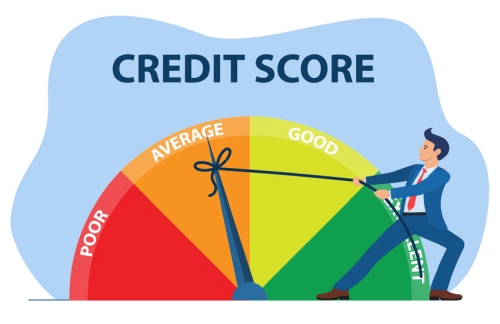
This shift from identity-based to transaction-based credit changes the lending landscape. Lenders can now assess risk based on actual behavior rather than external demographic factors. The result is a more granular, dynamic credit foundation that adapts as the user’s portfolio evolves.
comparing FICO 10T to on-chain scoring
The 2026 release of FICO 10T marks a structural shift in traditional credit evaluation. Unlike legacy models that rely on static snapshots, this iteration analyzes credit patterns over the past two years, offering lenders a more dynamic view of repayment behavior. This transition reflects a broader industry move toward data-rich, predictive modeling, though it remains tethered to the opaque, closed-loop nature of TradFi bureaus.
In contrast, Web3 scoring operates on public ledgers. On-chain credit is emerging not as a direct replica of FICO, but as a reputation system derived from wallet history. This approach prioritizes transparency and immediate accessibility, allowing users to prove solvency without third-party verification. However, it lacks the nuanced behavioral data that traditional models capture, such as utility payment consistency or rental history.
The divergence is stark in data privacy and speed. FICO 10T requires extensive personal data sharing and weeks for manual underwriting, creating friction for borrowers. On-chain scoring is instantaneous and permissionless, but it exposes transactional history to the public. This trade-off defines the current landscape: privacy and depth in TradFi versus speed and transparency in DeFi.
| Feature | FICO 10T (TradFi) | On-Chain (DeFi) |
|---|---|---|
| Data Source | Bureau reports & 2-year patterns | Public wallet transactions |
| Privacy | High (closed system) | Low (public ledger) |
| Approval Speed | Days to weeks | Instant |
| Accessibility | Requires established credit history | Open to any wallet address |
The integration of these systems will likely determine the next phase of financial inclusion. While FICO 10T refines the existing gatekeeping mechanism, on-chain scoring dismantles the gate entirely, replacing it with code. The choice between them depends on whether the user values privacy or autonomy.
Impact on crypto lending rates 2026
The integration of on-chain history into credit scoring models has fundamentally altered the cost of capital in decentralized finance. Lenders no longer rely solely on overcollateralization to mitigate risk. Instead, they use granular behavioral data to adjust interest rates and loan-to-value (LTV) ratios dynamically. This shift moves DeFi closer to the precision of traditional credit markets, where risk is priced rather than simply avoided.
Borrowers with strong on-chain histories—consistent repayment records, diverse asset holdings, and low default risk—now access significantly lower borrowing costs. Protocols like Aave and Compound have begun implementing these risk-adjusted rates, creating a tiered system where trust is quantified. A high credit score can reduce the interest rate spread by hundreds of basis points, making leveraged strategies more viable for sophisticated users.
Conversely, new addresses or those with erratic transaction patterns face higher premiums. Lenders increase the required collateral percentage for these profiles, effectively tightening the LTV ratio. This mechanism protects protocol solvency during market volatility while penalizing speculative or unproven behavior. The result is a more efficient market where capital flows to the most reliable participants.
To understand the broader market context, it is essential to monitor the performance of major lending protocol tokens and the stablecoins that underpin these loans. Volatility in these assets directly impacts the risk models used to calculate rates.
The correlation between on-chain credit scores and lending rates is becoming increasingly tight. As more protocols adopt these models, the disparity in borrowing costs between high-scoring and low-scoring users will widen. This creates a strong incentive for users to build and maintain a clean on-chain reputation, transforming digital identity into a tangible financial asset.
Building a non-custodial credit profile
On-chain creditworthiness is not a static metric; it is a dynamic reputation score derived from your wallet’s behavior. As the industry shifts toward verifiable identity and transaction history, your digital footprint becomes your collateral. To prepare for 2026 standards, you must actively construct a history of reliability rather than waiting for a centralized entity to assign you a score.
Your wallet’s age is the foundational layer of on-chain reputation. Protocols favor long-standing addresses that demonstrate stability over time. Avoid creating new wallets for every interaction; instead, maintain a primary address for regular transactions. This consistency signals to scoring algorithms that you are a persistent participant, not a transient actor.
On-time payments remain the most critical factor in credit modeling, both in TradFi and DeFi. Regularly repay loans or liquidity positions before their due dates. Even small, consistent repayments on stablecoin loans build a positive history. Missed payments or defaults are permanently recorded on the blockchain, severely damaging your future borrowing capacity.

A diverse interaction history reduces perceived risk. Engage with multiple lending protocols, stablecoin issuers, and decentralized exchanges. This demonstrates that your assets are not locked in a single vulnerable contract. A varied portfolio of interactions suggests a sophisticated user who understands risk management, which positively influences credit scoring models.
Maintain healthy collateralization ratios. Over-leveraging triggers liquidation risks, which are visible to all scoring engines. Keep your loan-to-value ratios well below liquidation thresholds. This proactive management shows discipline and ensures you can meet obligations even during market volatility, a key trait for high creditworthiness.
While non-custodial, many advanced credit protocols now offer identity-verified tiers. Completing KYC/AML checks through decentralized identity providers can unlock higher credit limits and better rates. This bridges the gap between pseudonymous activity and accountable financial behavior, enhancing your profile’s trust score.
The market for on-chain credit is evolving rapidly. As lending rates fluctuate, your ability to borrow depends entirely on the reputation you have built. A strong profile allows you to access capital when liquidity is tight, turning your history into a financial asset.
No comments yet. Be the first to share your thoughts!