

2026 Regulatory Landscape
The architecture of digital asset credit is shifting from speculative leverage to regulated infrastructure. The PwC Global Crypto Regulation Report 2026 highlights that the primary driver for this transition is the formalization of stablecoin frameworks and supervisory standards across more than 50 jurisdictions. This regulatory clarity is creating the necessary trust layer for on-chain credit assessment to mature beyond experimental wallet reputation scores.
Stablecoins are no longer just trading pairs; they are becoming the collateral backbone for DeFi lending protocols. New reserve and redemption requirements mandate transparency that was previously absent. This shift allows lenders to assess risk with greater precision, moving toward a system where creditworthiness is tied to verifiable on-chain history rather than anonymous leverage.
To understand the market volatility these regulatory changes must withstand, we can observe the current price action of Bitcoin, the primary benchmark for digital asset sentiment.
As institutions integrate these compliant structures, the distinction between traditional finance credit models and decentralized finance is narrowing. The 2026 landscape favors protocols that can demonstrate adherence to these emerging global standards, setting the stage for formalized credit scores that operate within legal boundaries.
On-chain credit history replaces wallet reputation
The architecture of decentralized finance is undergoing a structural shift from static wallet reputation to dynamic, on-chain credit history. This transition moves risk assessment beyond the binary state of asset ownership, focusing instead on the continuous quantification of counterparty default risk through transactional behavior. In high-stakes financial analysis, the distinction between holding assets and demonstrating financial discipline is paramount.
Traditional credit scoring relies on retrospective, siloed data points. In contrast, crypto-native credit models utilize continuous, model-driven risk assessment to evaluate liquidity patterns, repayment history, and collateral management. As noted by institutional rating agencies, these systems aim to quantify default risk before it materializes, providing a more granular view of borrower reliability than simple wallet balance checks [1]. This approach aligns with the broader regulatory push for transparent, auditable risk frameworks in digital asset markets [2].
The technical mechanism involves aggregating on-chain transaction data to build a comprehensive credit profile. Protocols analyze metrics such as loan-to-value ratios, debt service coverage, and historical solvency events. This data-driven methodology reduces information asymmetry, allowing lenders to price risk more accurately. The result is a more robust lending environment where access to capital is determined by verifiable financial conduct rather than anonymous reputation.
This shift has significant implications for regulatory compliance and institutional adoption. By replacing opaque reputation systems with transparent, algorithmic credit scores, DeFi protocols can better align with traditional financial oversight standards. The move toward intent-based finance further supports this trend, as platforms increasingly experiment with on-chain credit scoring to assess risk more effectively [3].
The integration of these on-chain credit histories into DeFi lending protocols represents a maturation of the market. It moves the industry away from speculative, collateral-only models toward a more nuanced understanding of borrower risk. This evolution is critical for the long-term stability and regulatory acceptance of decentralized finance.
DeFi Lending Protocols Adopt Web3 Financial Identity
The integration of crypto-native credit scores marks a structural shift in decentralized finance, moving lending mechanisms beyond strict over-collateralization. This transition allows protocols to assess borrower risk using on-chain behavior and verified identity data, enabling under-collateralized or flexible lending options. As noted in academic analysis, this approach aims to bridge the gap in risk assessment, rendering DeFi lending more robust and inclusive by evaluating credit risk and repayment ability directly within the protocol [src-serp-3].
Major platforms are now embedding these Web3 financial identities into their core lending logic. Instead of requiring users to lock excessive assets to secure loans, protocols can now extend credit lines based on a borrower’s historical transaction patterns and creditworthiness. This model mirrors traditional banking but operates without centralized intermediaries, relying instead on transparent, verifiable data streams. The FICO Crypto Credit Score system, for instance, evaluates the credit risk and ability to pay crypto loans, providing a standardized metric for these new lending products [src-serp-6].
This shift is critical for the next phase of DeFi adoption, as it lowers the barrier to entry for capital access. By reducing the need for large collateral deposits, protocols can unlock liquidity for a broader range of participants. The following table compares the traditional over-collateralized model with the emerging credit-score-enabled framework.
| Feature | Traditional DeFi | Credit-Score Enabled |
|---|---|---|
| Collateral Requirement | 100-300% Over-collateralized | Flexible or Under-collateralized |
| Risk Assessment | Asset price volatility only | On-chain history + Identity |
| Capital Efficiency | Low (locked assets) | High (active liquidity) |
| Borrower Profile | Institutional/Whale | Retail/Prosumer |
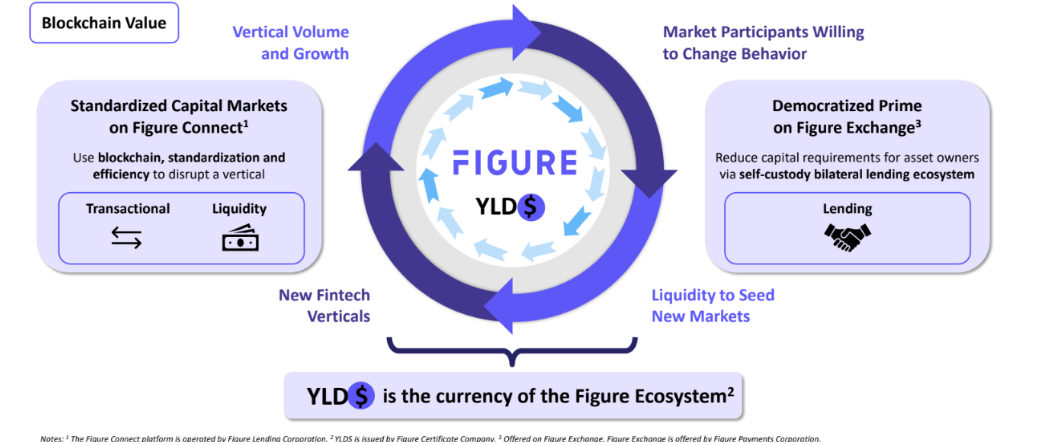
The regulatory landscape is also adapting to these changes. Supervisory frameworks are increasingly focusing on stablecoin issuance and reserve requirements, which are foundational to these new credit products. As protocols integrate these scores, they must ensure compliance with emerging standards for data privacy and consumer protection, particularly in jurisdictions with strict financial regulations. This alignment with official regulatory expectations is essential for the long-term viability of under-collateralized lending in the DeFi space.
Key Web3 credit scoring tools for 2026
The transition from traditional finance to decentralized lending requires rigorous counterparty risk assessment. The industry is shifting toward structured supervisory frameworks for digital assets, necessitating tools that can quantify default risk before it materializes [[src-serp-2]].
FICO Crypto Credit Score
FICO has introduced a specialized scoring system designed to evaluate credit risk and repayment ability within the DeFi ecosystem. This model bridges legacy credit standards with on-chain behavior, providing institutions with a familiar metric for assessing borrower reliability. By integrating traditional credit history with blockchain data, it offers a more holistic view of counterparty risk.
Agio Ratings
Agio Ratings provides continuous, model-driven risk assessments tailored for crypto-specific assets. Unlike static credit scores, Agio’s approach monitors real-time on-chain activity to update risk profiles dynamically. This is critical for lending markets where asset volatility and smart contract exposure can change rapidly, requiring constant re-evaluation of collateral and borrower solvency.
Web3 Credit Scoring Tools
A broader ecosystem of tools, including those listed by Alchemy, focuses on scoring creditworthiness across various web3 ecosystems. These platforms analyze transaction history, wallet age, and interaction patterns to generate a credit score. They serve as the infrastructure layer for lending protocols, enabling them to offer terms based on verified on-chain reputation rather than just collateral value.
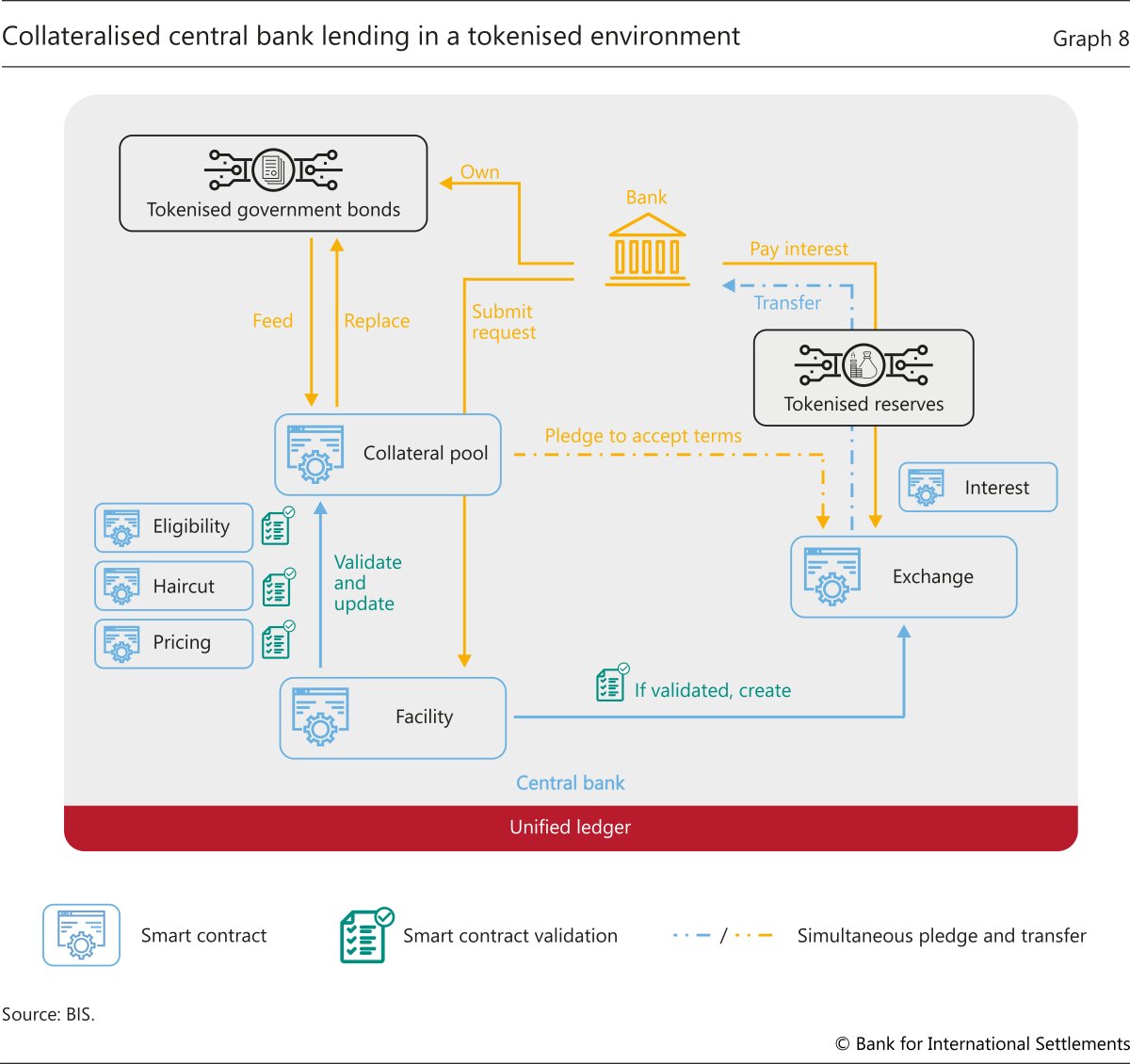
Market Context
The integration of these scoring tools is reshaping the capital markets for digital assets. As regulatory clarity improves, the demand for transparent, auditable risk metrics increases. This shift supports the growth of institutional-grade DeFi lending, where compliance and risk management are paramount.
2026 crypto report regulation analysis
The PwC Global Crypto Regulation Report 2026 outlines the structural shift toward institutional-grade oversight, specifically targeting the stability mechanisms of digital assets. This analysis moves beyond speculative trends to examine the enforceable requirements that underpin current and future credit products.
Central to the 2026 findings is the rigorous scrutiny of stablecoin issuance models. The report details how reserve and redemption requirements are being standardized to prevent liquidity shocks. For DeFi lending protocols, these reserve mandates act as a primary safety net, ensuring that collateralized debt positions remain solvent even during periods of extreme market volatility.
Supervisory frameworks are now explicitly designed to bridge the gap between decentralized finance and traditional financial compliance. By establishing clear boundaries for reserve management, regulators are creating a more predictable environment for credit scoring and lending activities. This regulatory clarity reduces systemic risk, allowing on-chain credit to function with a level of reliability previously unattainable.
No comments yet. Be the first to share your thoughts!