
Defining on-chain credit history
Crypto credit scores in 2026 represent a structural shift in financial risk assessment, moving away from traditional off-chain identity verification toward verifiable on-chain transaction history. Unlike the FICO score, which relies on historical debt repayment and credit utilization within a centralized banking system, a crypto-native credit score is derived from the immutable ledger of wallet activity. This distinction is critical for high-stakes lending, where the absence of a legal identity does not preclude the establishment of financial trust.
The mechanism operates by analyzing the volume, frequency, and consistency of on-chain interactions. Lending protocols and institutional creditors examine how a wallet manages collateral, repays stablecoin debts, and interacts with decentralized finance (DeFi) applications. This data creates a reputation-based profile that allows under-collateralized lending to function with greater precision. As noted in legal analyses of the sector, these scores aim to bridge the gap in risk assessment, rendering DeFi lending more robust and inclusive for participants who lack traditional credit footprints.
This approach transforms wallet addresses from anonymous entities into accountable financial actors. By treating transaction history as a proxy for creditworthiness, the market establishes a new standard for lending in decentralized environments. The integrity of this system depends on the transparency of the blockchain, ensuring that the credit history is both verifiable and resistant to manipulation.
The structural shift from overcollateralized to undercollateralized lending
The DeFi lending landscape is undergoing a fundamental structural change. Historically, decentralized finance relied on overcollateralization, where borrowers must lock up more digital assets than the value of the loan they receive. This model, while secure against smart contract risk, creates significant capital inefficiency and limits liquidity for participants who hold illiquid or non-collateralizable assets.
The emergence of verifiable onchain credit scores is enabling a transition to undercollateralized lending models. These scores allow lending protocols to assess borrower risk based on historical transaction data, wallet behavior, and repayment history, rather than solely on the value of locked collateral. This shift mirrors traditional credit systems, where trust is established through a track record rather than asset pledges.
This structural evolution reduces barriers to entry and unlocks capital that was previously dormant. By relying on creditworthiness rather than asset overhang, borrowers can access liquidity without tying up their primary holdings. Lending protocols can now offer more competitive terms to verified users, creating a more efficient capital allocation mechanism within the decentralized economy.
The following table compares the structural differences between traditional overcollateralized models and the emerging undercollateralized standards enabled by onchain credit scoring.
| Feature | Overcollateralized (Legacy) | Undercollateralized (2026 Standard) |
|---|---|---|
| Collateral Requirement | 120-300%+ asset lock | Minimal or zero lock |
| Risk Assessment | Asset price volatility | Onchain credit score & history |
| Capital Efficiency | Low (capital tied up) | High (capital available) |
| Approval Process | Instant, automated | Credit verification required |
| Primary Use Case | Speculative leverage, arbitrage | Real-world utility, business liquidity |
This transition is not merely a product feature update but a regulatory and structural redefinition of how credit is extended in decentralized environments. As protocols integrate these credit scores, they must adhere to stricter compliance frameworks to ensure that undercollateralized lending remains solvent and transparent.
Regulatory integration and compliance
The structural convergence of decentralized finance (DeFi) and traditional credit infrastructure marks a significant shift in risk management frameworks. Rather than relying solely on on-chain collateralization, major credit reporting agencies are now embedding themselves into the lending stack to provide off-chain credit data. This integration allows protocols to assess borrower risk using established financial histories without exposing sensitive personal information on public ledgers.
TransUnion, a dominant credit bureau, has initiated programs to deliver traditional credit scores to blockchain-based lending protocols. By bridging off-chain identity with on-chain transactions, these systems enable lenders to apply conventional underwriting standards to crypto assets. This mechanism reduces the reliance on over-collateralization, potentially unlocking larger loan-to-value ratios for borrowers with strong traditional credit profiles while maintaining regulatory compliance.
Regulatory oversight continues to evolve alongside these technological integrations. Recent policy analyses, such as those from the White House regarding stablecoin yield prohibitions, highlight the broader economic implications of separating traditional banking lending from crypto-yield mechanisms. These frameworks aim to ensure that DeFi lending does not circumvent bank lending regulations, thereby creating a more level playing field for institutional participants.
The integration of these compliance layers is critical for the scalability of crypto credit scores. As regulatory clarity improves, protocols that embed these checks into their smart contract logic will likely see increased adoption among institutional lenders who require strict adherence to anti-money laundering (AML) and know-your-customer (KYC) standards.
Key protocols and scoring models
The 2026 crypto credit landscape has shifted from theoretical reputation systems to operationalized lending infrastructure. Protocols are now deploying distinct scoring engines to evaluate borrower risk without relying on traditional financial intermediaries. This section outlines the primary models and platforms currently defining the standard for on-chain credit assessment.
zkCredit and Privacy-Preserving Verification
zkCredit represents a foundational approach to on-chain credit scoring by utilizing zero-knowledge proofs. This model allows users to verify their creditworthiness without exposing sensitive transaction history or personal identity data. By keeping data private while proving solvency, zkCredit addresses the primary barrier to entry for privacy-conscious borrowers in the DeFi space. The protocol validates historical on-chain behavior to generate a credit score that can be used across multiple lending platforms.
Credora and Institutional-Grade Data
Credora has integrated traditional credit data with on-chain activity to create a hybrid scoring model. This approach bridges the gap between centralized finance (CeFi) and decentralized finance (DeFi), allowing borrowers with established off-chain credit histories to access under-collateralized loans. Credora’s model is particularly relevant for institutional participants who require regulatory compliance and transparent risk metrics. The platform provides a unified view of a borrower’s financial health, combining on-chain liquidity with off-chain credit reliability.
Galaxy Research and Market Context
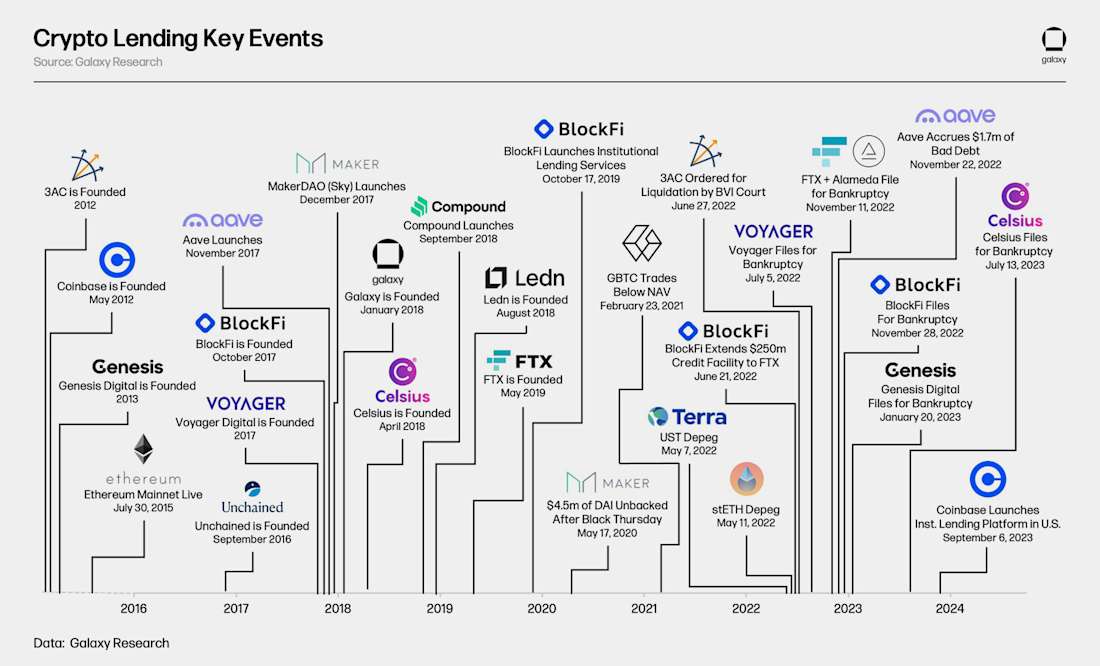
The broader market for crypto lending is undergoing significant structural changes as these scoring models mature. According to Galaxy Research, the evolution of credit reporting standards is directly influencing lending dynamics, shifting the industry toward more sophisticated risk management practices. This transition is evident in the increasing adoption of under-collateralized lending products, which rely heavily on accurate credit scoring to mitigate default risk.
Market Volatility and Credit Risk
The effectiveness of these credit scoring models is often tested during periods of high market volatility. Understanding the correlation between asset price movements and credit risk is essential for both lenders and borrowers. The following chart illustrates the price action of Bitcoin (BTC), a primary collateral asset in many DeFi lending protocols, highlighting the volatility that credit scoring models must account for.
Risks and privacy considerations
The transition toward crypto-native credit scoring introduces structural risks that differ fundamentally from traditional finance. The primary concern is the trade-off between credit utility and on-chain privacy. As credit scores become integrated into DeFi protocols, the underlying data required to generate them can inadvertently reveal sensitive transaction histories. Without robust privacy-preserving mechanisms, such as zero-knowledge proofs, users risk "doxxing" their financial behavior to the public ledger, undermining the anonymity that many crypto participants value.
Data security remains a critical vulnerability. Unlike centralized credit bureaus, blockchain data is immutable. If a credit scoring algorithm relies on on-chain reputation metrics, any erroneous data or malicious activity associated with a wallet can permanently damage a user’s credit standing. This permanence creates a high-stakes environment where a single compromised key or exploited smart contract can lead to irreversible financial exclusion.
Predatory lending practices also pose a significant threat in this emerging market. The lack of standardized regulatory oversight allows for the proliferation of lending protocols that may exploit borrowers through opaque terms or excessive interest rates. As noted by legal scholars, the goal of crypto-native credit scoring is to bridge the gap in risk assessment, but without proper guardrails, this can lead to inclusive lending that is simultaneously exploitative. Borrowers must remain vigilant against protocols that prioritize yield over borrower protection.
Privacy-preserving credit scores (ZK-proofs) are essential to prevent on-chain doxxing.
The structural integrity of DeFi lending depends on balancing these risks. As the market matures, the integration of privacy technologies and regulatory clarity will determine whether crypto credit scores serve as a robust financial tool or a vector for systemic risk.
No comments yet. Be the first to share your thoughts!