
What the 2026 crypto credit score actually measures
The concept of a "crypto credit score" does not refer to a single, universal number like the FICO score used in traditional finance. Instead, it represents a composite evaluation of on-chain behavior, wallet reputation, and, increasingly, verified off-chain identity data. As regulatory frameworks tighten in 2026, the distinction between anonymous speculation and compliant lending activity has become the primary metric for risk assessment.
DeFi lending protocols no longer rely solely on overcollateralization. They now analyze transaction history, debt-to-income ratios derived from on-chain cash flows, and consistency of repayment behavior. This data is often aggregated by specialized oracles and reputation providers who bridge the gap between raw blockchain data and actionable credit signals. The result is a dynamic score that reflects actual financial responsibility rather than just asset holdings.
Regulatory compliance remains the central constraint. Protocols that integrate identity verification (KYC) and anti-money laundering (AML) checks tend to offer better lending terms because they reduce systemic risk. This shift moves the industry away from pure permissionless anonymity toward a model where reputation is tied to verified legal identity, aligning crypto lending with traditional financial oversight standards.
The underlying architecture of these scores is visible in market volatility. When regulatory clarity improves, the cost of capital for compliant borrowers drops, reflecting a higher perceived creditworthiness. This dynamic is closely tied to the broader market sentiment, as seen in Bitcoin's price action, which often correlates with institutional adoption of compliant financial products.
DeFi lending reputation vs traditional credit checks
The shift from collateral-heavy models to credit-based on-chain reputation marks a structural change in how capital is allocated. Traditional DeFi lending relies on over-collateralization, requiring borrowers to lock up assets worth significantly more than the loan amount. This system removes credit checks but ties up capital inefficiently, creating a high barrier to entry for those who lack large asset bases.
Emerging credit-based models leverage on-chain history to assess borrower reliability. By analyzing transaction patterns and repayment behavior, protocols can assign a reputation score similar to a FICO score. This approach allows for lower collateral requirements, unlocking liquidity for users with strong operational histories but limited liquid assets. The risk profile shifts from asset volatility to behavioral analysis, demanding stricter regulatory compliance to prevent systemic failures.
The following table contrasts these two lending paradigms across key operational metrics.
| Feature | Collateralized Loans | Credit-Based Loans |
|---|---|---|
| Collateral Requirement | High (110-150%+) | Low to None |
| Approval Basis | Asset Value | On-Chain History |
| Data Source | Market Price | Transaction Logs |
| Risk Type | Liquidation Risk | Default Risk |
How on-chain credit history builds your score
On-chain credit history transforms anonymous wallet addresses into identifiable financial entities. Unlike traditional credit bureaus that rely on centralized reporting, DeFi protocols calculate reputation directly from transactional data stored on the blockchain. This shift requires users to understand that every interaction—repayment, delay, or default—permanently alters their on-chain standing.
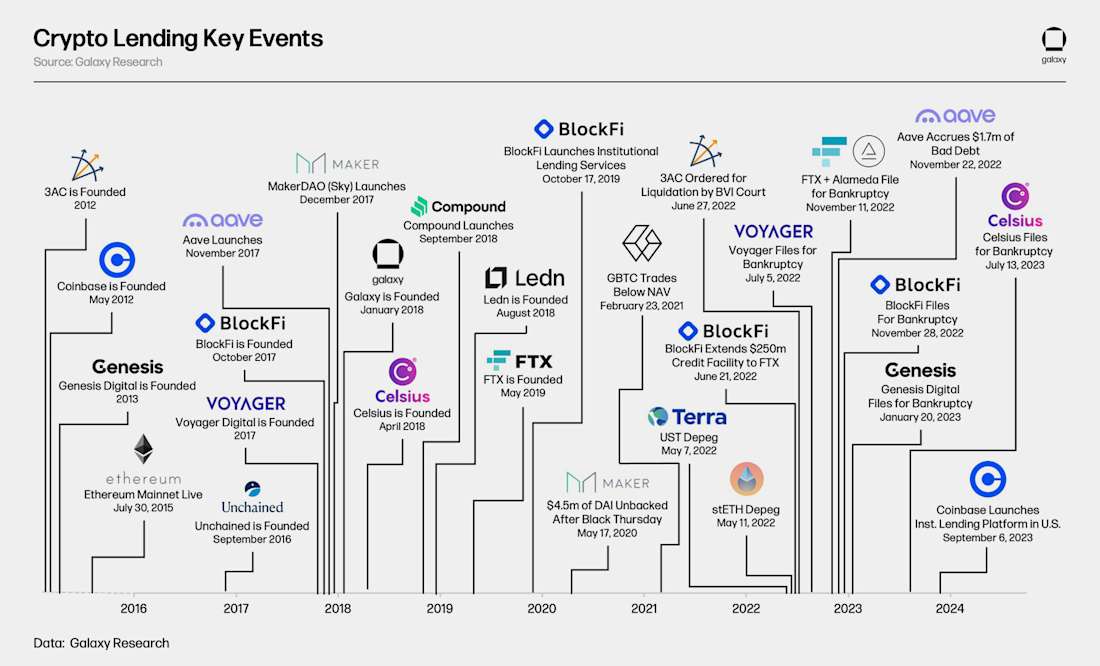
Repayment history serves as the primary metric for creditworthiness. Protocols like Aave and Compound record every loan repayment, treating timely payments as positive signals. Conversely, missed payments or liquidations are logged as negative events. Because this data is immutable, a single default can damage a wallet’s reputation for years, making disciplined borrowing essential for long-term access to capital.
Wallet age and transaction diversity further refine the score. Older wallets with a long history of consistent activity are viewed as lower risk than new, untested addresses. Diversification matters too; wallets that interact with multiple reputable protocols and asset types demonstrate broader financial stability. However, excessive interaction with high-risk or unverified smart contracts can introduce volatility, potentially lowering the score.
Interacting with reputable protocols is critical for building a positive reputation. Lending to or borrowing from well-audited, established platforms signals compliance and stability. In contrast, frequent interactions with obscure or unaudited contracts can trigger risk flags. Regulatory bodies are increasingly scrutinizing these interactions, making protocol selection a key component of legal and financial safety.
The following chart illustrates the market volatility that underpins the risk assessment models used by these credit scoring algorithms.
2026 Regulatory Landscape
The crypto lending sector in 2026 operates under a significantly tighter regulatory framework, forcing protocols to balance user privacy with strict compliance mandates. This shift is reshaping how on-chain reputation and loan eligibility are calculated, moving away from purely algorithmic scoring toward hybrid models that integrate traditional financial data.
OSFI Guidelines and Capital Requirements
In Canada, the Office of the Superintendent of Financial Institutions (OSFI) released updated guidelines detailing the capital and liquidity treatment of crypto-asset exposures for banks and federal credit unions. These rules impose stringent capital charges on institutions holding digital assets, effectively raising the cost of capital for crypto-backed lending. For borrowers, this translates to stricter loan-to-value (LTV) ratios and higher interest rates, as lenders pass on the regulatory burden. The guidelines prioritize financial stability, meaning protocols must demonstrate robust risk management to maintain access to traditional banking rails.
TransUnion and On-Chain Reputation
Simultaneously, major credit bureaus like TransUnion have begun integrating traditional credit scores into blockchain-based lending platforms. This integration allows protocols to assess borrower risk without compromising on-chain privacy, by using zero-knowledge proofs or similar cryptographic methods to verify off-chain creditworthiness. The result is a more nuanced eligibility system where a borrower’s on-chain history is weighed against their established credit score. This hybrid approach reduces default risk but also centralizes data verification, challenging the decentralized ethos of early DeFi.
Market Volatility and Risk
The interplay between regulatory pressure and market volatility creates a high-stakes environment for lenders and borrowers alike. As seen in the price action of major assets like Bitcoin, rapid market swings can trigger liquidations if LTV thresholds are breached. Lenders must now account for both regulatory capital requirements and extreme market volatility when setting eligibility criteria.
This dual pressure—regulatory compliance and market risk—means that 2026 is not just a year of growth, but of consolidation. Protocols that fail to adapt to these new standards risk losing institutional backing and user trust. Borrowers with strong traditional credit profiles may find it easier to access capital, while those relying solely on on-chain history may face higher barriers to entry.
Top platforms shaping the 2026 credit score ecosystem
The 2026 credit score landscape is defined by a sharp divide between traditional compliance and on-chain transparency. CeFi platforms like Gemini anchor this space by requiring conventional credit checks, bridging traditional credit scores (670–850) with crypto exposure. This model minimizes counterparty risk but excludes the unbanked. DeFi protocols, conversely, rely entirely on on-chain history. While more inclusive, they introduce smart contract risk that traditional lenders do not face.

The market for these hybrid financial products is expanding rapidly. Industry reports project the crypto credit card market will grow from $3.81 billion in 2026 to $10.71 billion by 2035. This growth is driven by institutional integration and clearer regulatory frameworks, such as the PwC Global Crypto Regulation Report 2026, which emphasizes stablecoin reserve requirements. As these frameworks solidify, the platforms below are setting the standard for how digital assets translate into financial reputation.
Gemini Credit Card
Gemini represents the CeFi approach to crypto credit. It functions as a traditional credit line, pulling data from major bureaus to determine eligibility. This provides a familiar risk model for regulated institutions but creates a barrier to entry for those without established credit histories. The card’s integration with Gemini’s exchange infrastructure allows for seamless conversion of crypto holdings to fiat spending, though it does not build on-chain reputation for DeFi lending.
Aave Protocol
Aave operates as a foundational DeFi lending protocol where credit is determined by over-collateralization. Users must deposit assets like ETH or stablecoins to borrow against them. While this eliminates traditional credit checks, it requires significant capital upfront. Aave’s open-source nature allows developers to build credit score aggregators on top of its lending data, making it the primary data source for emerging on-chain reputation systems.
Maple Finance
Maple Finance targets institutional and professional borrowers through a capital-raising model. Unlike Aave’s permissionless pools, Maple uses underwriting to assess borrower risk, effectively creating a private credit score for on-chain entities. This approach bridges the gap between CeFi underwriting standards and DeFi efficiency, allowing high-trust borrowers to access lower rates based on their verified track record rather than just collateral value.
Frequently asked questions about on-chain credit
Do crypto credit scores affect my traditional FICO score? Not directly. On-chain reputation and traditional credit scores operate in separate silos. However, major agencies like TransUnion are beginning to bridge this gap by allowing users to link traditional scores to DeFi applications without exposing raw personal data. This hybrid approach means your on-chain behavior does not currently rewrite your credit history, but it may soon influence eligibility for regulated lending products.
Can I improve my on-chain reputation like a FICO score? Yes, but the mechanics differ. On-chain credit is built through consistent repayment history, collateral health, and wallet activity. Unlike traditional scoring, which relies heavily on debt utilization and credit history length, DeFi reputation is transparent and immutable. You can improve your standing by paying back loans on time and maintaining healthy collateral ratios, but there is no single universal "score" yet.
Are crypto credit scores standardized across all platforms? No. Currently, there is no industry-wide standard for on-chain credit scoring. Different protocols and aggregators use their own proprietary models to assess risk. This fragmentation creates compliance challenges, as regulators struggle to define what constitutes a "credit score" in a decentralized environment. Until standardization occurs, users must understand the specific risk models of each platform they interact with.
Is crypto lending in 2026 still mostly collateral-based? Mostly. The majority of crypto lending remains over-collateralized, meaning you must lock up assets to borrow. True credit-based lending, where loans are issued based on reputation rather than collateral, is still emerging. While the market for crypto-backed loans is growing, fully unsecured crypto credit products remain rare and high-risk, often requiring significant off-chain verification.
No comments yet. Be the first to share your thoughts!