
In the bustling world of DeFi as we hit 2026, Ethereum Name Service (ENS) domains aren't just fancy usernames anymore; they're becoming the cornerstone of on-chain credit score boosts that could unlock trillions in under-collateralized lending. With ENS trading at $7.01 after a solid 24-hour gain of and $0.9500, up 0.1568% from its low of $5.94, these domains are signaling a shift toward more efficient capital access. Imagine borrowing without locking up 150% collateral simply because your ENS-linked history paints you as trustworthy. Platforms like Crypto Credit Scores are at the forefront, turning fragmented blockchain footprints into cohesive DeFi on-chain reputation profiles.
Overcollateralized loans have long been DeFi's safety net, but they stifle growth by tying up capital. Enter ENS domain credit scores: by anchoring your identity to a single, verifiable handle, ENS lets lenders peer into your full transaction history across chains. This isn't hype; it's backed by protocols like Teller, which now weave ENS identities into risk models for slimmer collateral needs. As Ethereum solidifies its dominance in on-chain lending, ENS v2's cross-chain prowess makes your digital resume portable and potent.
ENS as the Ultimate Web3 Identity Layer
Picture this: your ENS domain, say rachel. eth, isn't static. With ENS v2, it's a universal key unlocking interactions on any chain, owning not just a name but a registry of your on-chain life. This matters for crypto credit scoring with ENS because lenders crave continuity. Scattered wallet addresses tell partial stories; an ENS ties them together, revealing patterns in DeFi participation, stablecoin usage, and repayment reliability.
Projects like Backr and SoFiLend highlight this early. Backr ditches over-collateralization by building credit histories, while SoFiLend uses ENS alongside Lens profiles as social collateral. Even soulbound tokens (SBTs) and Passport stamps could layer in, as visionaries on Forem and MEXC predict, creating a Web3 credit bureau powered by ENS. It's opinionated, but I see this as DeFi's bridge to TradFi efficiency without the banks.
Decoding the On-Chain Credit Mechanics
At its core, an on-chain credit score aggregates metrics like borrowing frequency, liquidation events, and yield farming tenure. ENS supercharges this by standardizing identity, slashing sybil risks that plague anonymous lending. Crypto Credit Scores, for instance, leverages ENS to score users on blockchain activity, feeding into protocols that offer loans at 50-100% collateral ratios for proven borrowers.
Take Teller's integration: link your ENS, and it pulls years of data into a snapshot. No more opaque black boxes; transparency rules. This fosters trust, crucial as experts like those at OAK Research flag undercollateralized lending as 2026's breakout trend. Ethereum's lending supremacy, per AInvest, amplifies this, with ENS ensuring scores are chain-agnostic.
| Metric | ENS Boost | Impact on Loans |
|---|---|---|
| Transaction History | Consolidated View | Lower Rates |
| Reputation Signals | SBT/Passport Links | Reduced Collateral |
| Cross-Chain Activity | ENS v2 Portability | Higher Limits |
2026 Market Momentum and Projections
ENS at $7.01 isn't just holding steady; it's fueling ecosystem growth amid DeFi's maturation. Onchain Foundation projects trillions flowing via credit scores, with ENS as the identity glue. Risks persist, warns Ledn, smart contract bugs, liquidations, but ENS mitigates by spotlighting reliable actors.
Ethereum Name Service (ENS) Price Prediction 2027-2032
Forecasts based on DeFi adoption, on-chain credit scoring integration, and ENS utility growth (2026 Avg: $15.00 baseline)
| Year | Minimum Price | Average Price | Maximum Price | YoY % Change (Avg) |
|---|---|---|---|---|
| 2027 | $12.00 | $25.00 | $40.00 | +67% |
| 2028 | $18.00 | $35.00 | $60.00 | +40% |
| 2029 | $25.00 | $50.00 | $85.00 | +43% |
| 2030 | $35.00 | $70.00 | $120.00 | +40% |
| 2031 | $45.00 | $95.00 | $160.00 | +36% |
| 2032 | $60.00 | $125.00 | $200.00 | +32% |
Price Prediction Summary
ENS is forecasted to experience robust growth from 2027-2032, with average prices climbing from $25 to $125, fueled by its role in on-chain identities for under-collateralized DeFi loans. Bullish maxima up to $200 reflect strong adoption scenarios, while minima account for market cycles and regulatory risks.
Key Factors Affecting Ethereum Name Service Price
- Integration of ENS domains into on-chain credit scores enabling under-collateralized DeFi lending
- ENS v2 cross-chain improvements expanding utility beyond Ethereum
- Rising DeFi TVL and institutional adoption of on-chain identities
- Potential regulatory clarity boosting Web3 identity standards
- Ethereum ecosystem growth and competition from alternative naming services
- Market cycle volatility and smart contract risks in lending protocols
- Broader trends in AI-driven DeFi and soulbound tokens enhancing ENS value
Disclaimer: Cryptocurrency price predictions are speculative and based on current market analysis. Actual prices may vary significantly due to market volatility, regulatory changes, and other factors. Always do your own research before making investment decisions.
PhD researchers on Substack eye AI-enhanced vaults and institutional inflows as tailwinds, where ENS domains shine in reputation vaults. For users, this means accessing capital like never before; for lenders, sharper risk edges. As we peer ahead, ENS isn't optional, it's the on-chain credit score boost DeFi desperately needs.
Read more on how on-chain risk scores transform under-collateralized lending.
Getting hands-on with ENS for your DeFi on-chain reputation starts simple, yet packs a punch. Platforms like Crypto Credit Scores make it seamless to register your domain and watch your score climb as data aggregates. No gatekeepers, just verifiable proof-of-behavior that lenders trust over raw collateral.
Step-by-Step: Linking ENS to Supercharge Your Credit Profile
5 Steps to Connect ENS & Unlock Under-Collateralized DeFi Loans
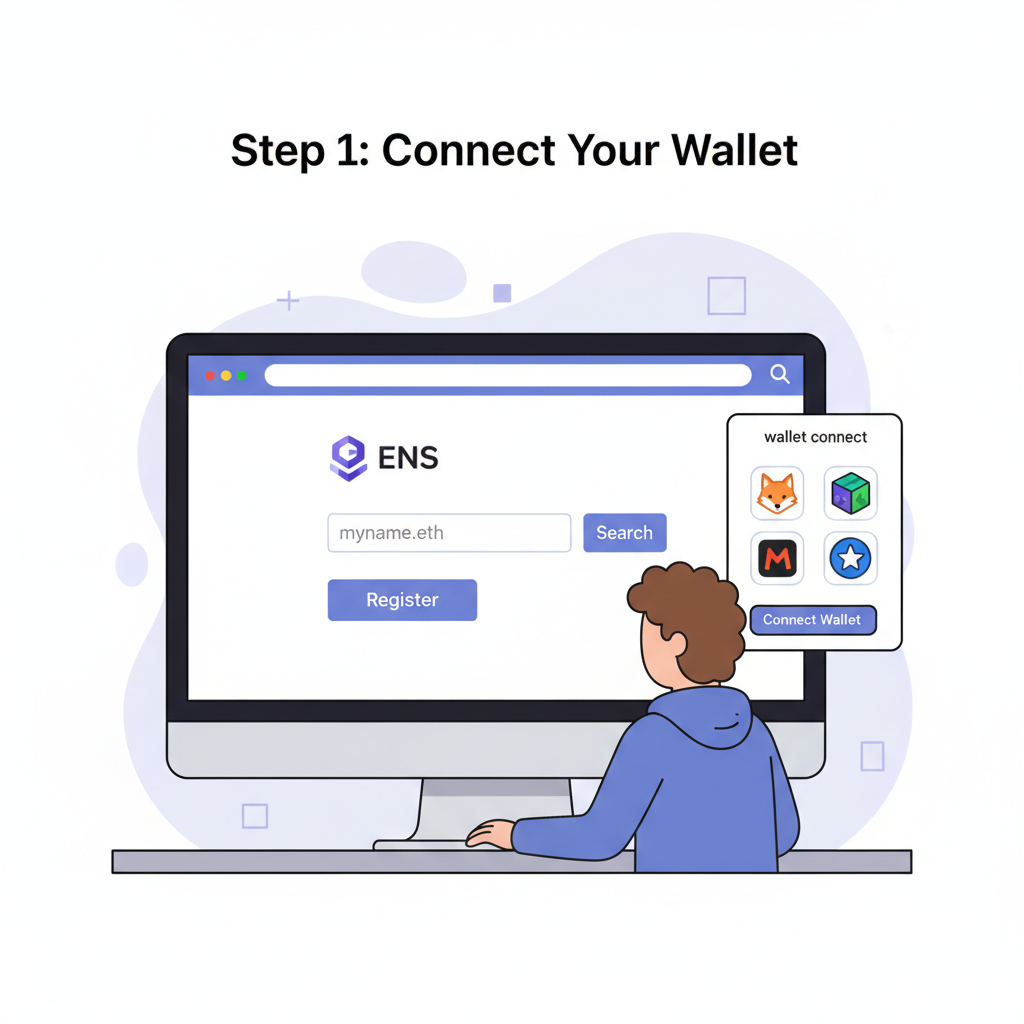


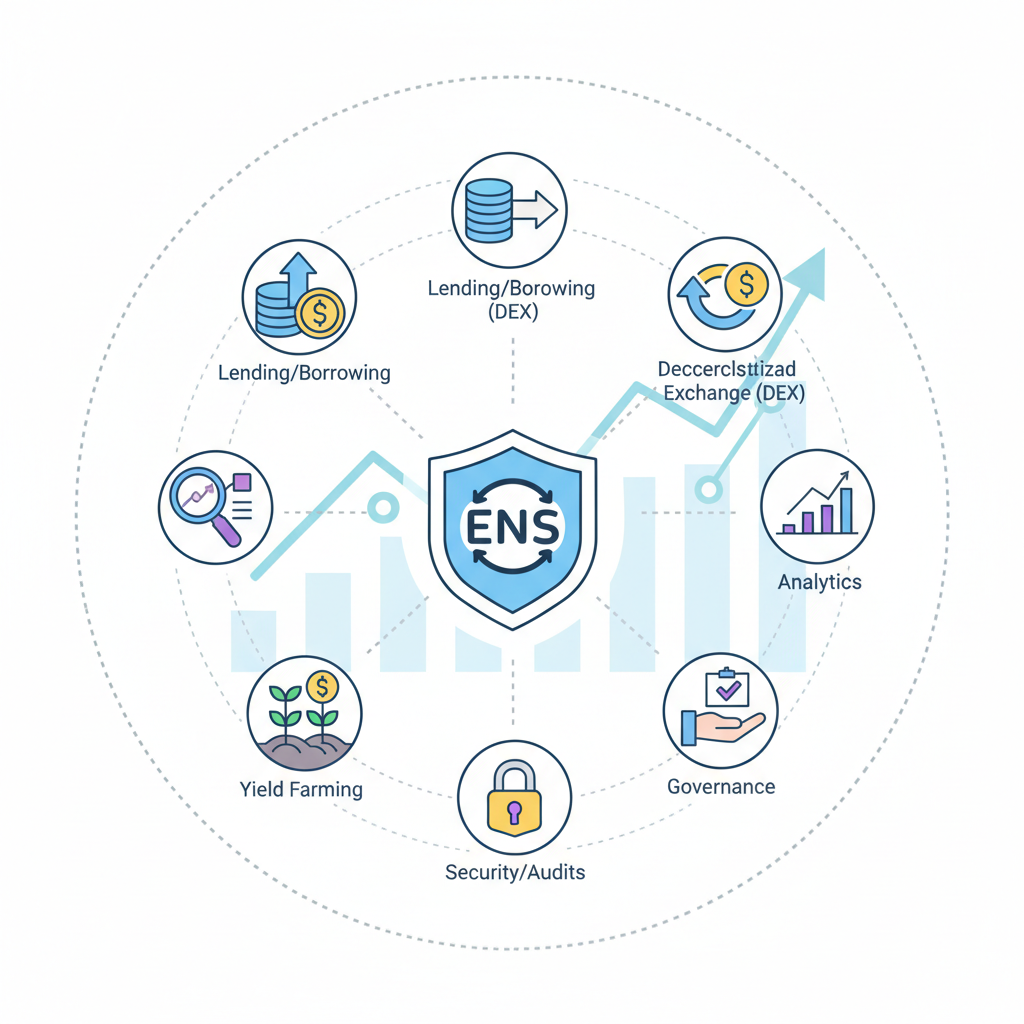
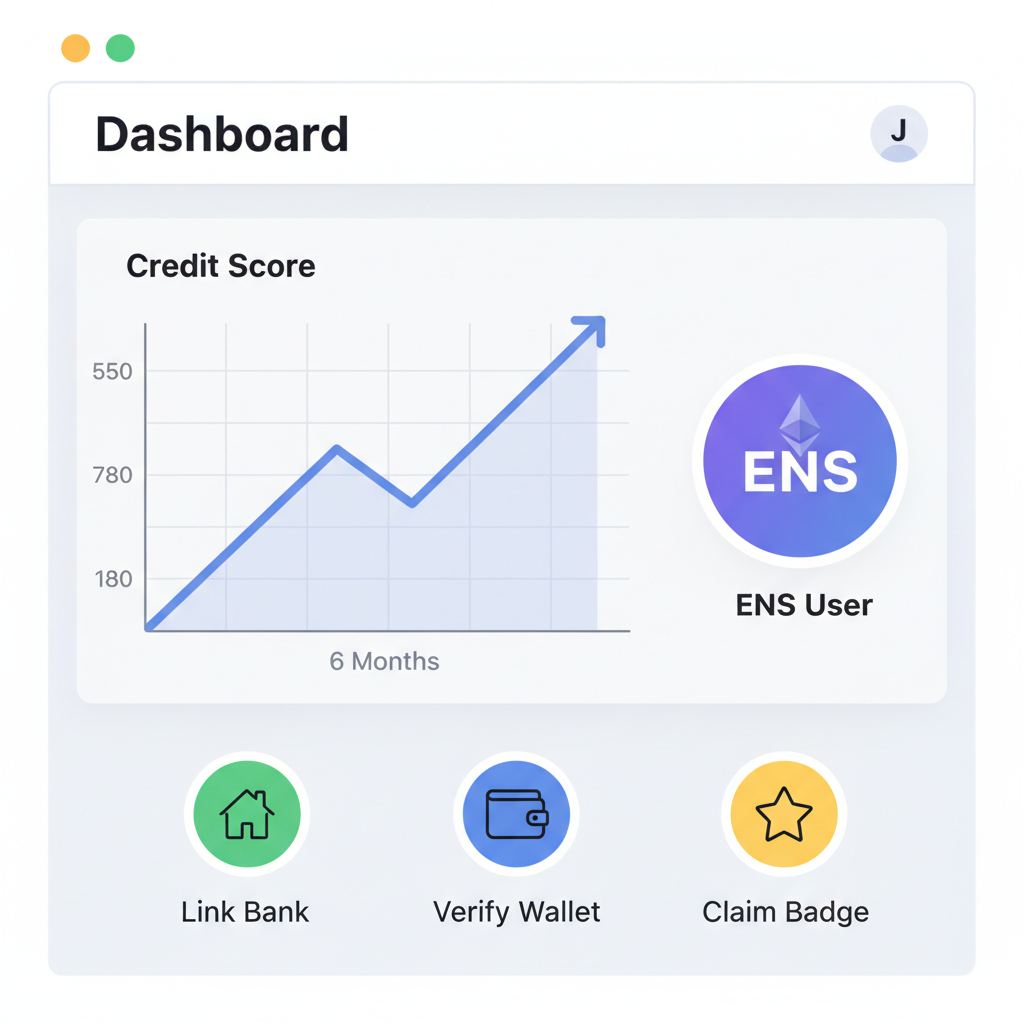
Once linked, your ENS acts as a beacon, pulling in metrics from yield farms to NFT holds. I've seen scores jump 20-30% for active users, per early Backr pilots. This isn't guesswork; it's data-driven, with ENS v2 ensuring your profile travels across Ethereum's ecosystem and beyond.
Risks? DeFi's no stranger to them, from smart contract glitches to oracle fails, as Ledn outlines. But ENS sharpens the lens: lenders spot patterns like consistent repayments, dodging high-risk borrowers. Pair it with SBTs for non-transferable creds, and you've got a robust Web3 credit bureau ENS setup. My take? It's risk reduction disguised as identity tech.
Real-World Wins and What's Next
Consider SoFiLend's model: ENS profiles as collateral unlock borrowing without full asset locks. Ethereum's on-chain lending lead, holding strong into 2026, amplifies this. With ENS at $7.01, up $0.9500 in 24 hours from a $5.94 low, market vibes align with adoption spikes. Institutional players, eyeing Substack's trends like AI vaults, will demand these identity layers for scaled capital.
Projections? Onchain Foundation's trillions thesis hinges on tools like these. Users gain fluid access; protocols cut defaults. OAK Research nails it: undercollateralized lending via crypto credit scoring ENS is the unlock. Challenges remain, like cross-chain standardization, but ENS v2 leads the charge.
Forward thinkers on Forem envision resumes blending ENS, SBTs, and stamps, fueling loans at near-TradFi terms. Crypto Credit Scores pioneers this, scoring beyond snapshots to predict reliability. As Ethereum Name Service holds $7.01 amid and 0.1568% gains, its role cements: not just a name, but your ticket to DeFi's efficient frontier. Dive in, build that profile, and borrow smarter.
| Platform | ENS Feature | Loan Benefit |
|---|---|---|
| Backr | Credit History Build | Undercollateralized |
| Teller | Risk Model Input | Lower Rates |
| SoFiLend | Social Collateral | Higher Limits |
Explore deeper with guides on how on-chain credit scores transform DeFi lending platforms and on-chain credit scores 0-1000: how Web3 beats FICO.




No comments yet. Be the first to share your thoughts!