As the decentralized finance (DeFi) ecosystem matures, building your crypto credit score is quickly becoming a fundamental part of Web3 participation. In this new landscape, your on-chain reputation unlocks access to lending, borrowing, and even exclusive DeFi opportunities. But unlike traditional finance, where opaque credit bureaus hold sway, Web3 empowers you to shape your own digital financial identity through transparent and actionable steps.
The Foundations of On-Chain Creditworthiness
Crypto credit scores are calculated using blockchain data - everything from loan repayments to wallet activity is fair game for assessment. This transparency offers both opportunity and responsibility: every transaction leaves a traceable mark on your reputation. As new protocols like Centic and Cred Protocol expand the reach of decentralized credit scoring (source), users must take proactive measures to build and protect their scores.
Top 5 Best Practices to Build Your Crypto Credit Score
Top 5 Best Practices for Building Your Crypto Credit Score
- Maintain a Consistent Record of On-Chain Loan Repayments: Timely repayment of loans on reputable DeFi platforms like Aave and Compound demonstrates financial responsibility. Each successful repayment is recorded on-chain, positively impacting your crypto credit score with protocols such as Cred Protocol and Centic.
- Diversify Your Activity Across Reputable DeFi Protocols: Engaging with a variety of DeFi services—including lending, borrowing, and staking—on platforms like Uniswap, MakerDAO, and RociFi builds a comprehensive on-chain profile. This diversification can enhance your creditworthiness in the eyes of decentralized credit scoring systems.

- Regularly Monitor and Update Your Web3 Credit Report: Use tools like Cred Protocol's Credit Report or Spectral Finance to track your on-chain credit score. Regular reviews help you spot discrepancies and stay informed about your financial standing in the Web3 ecosystem.
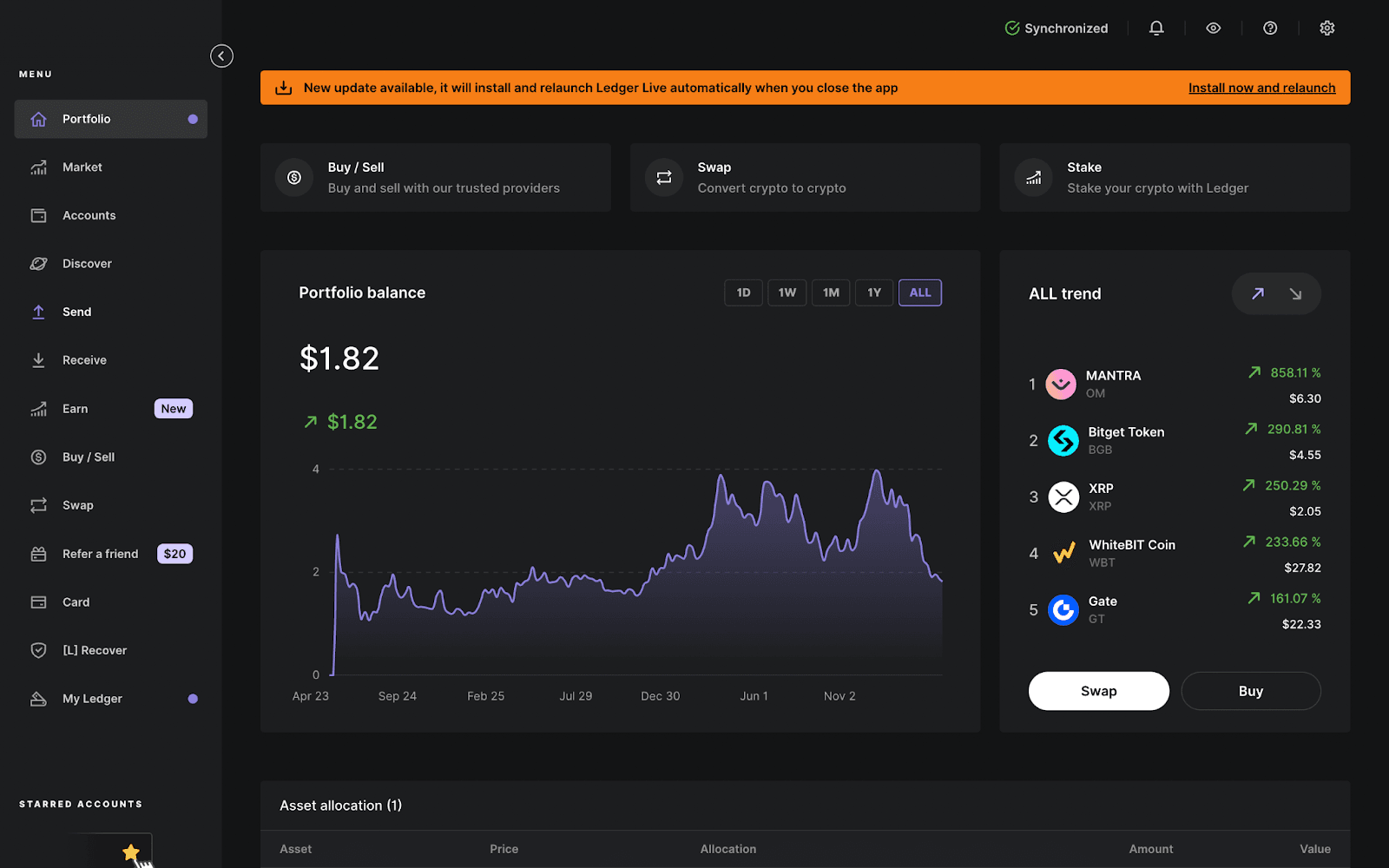
- Safeguard Wallet Security and Avoid Risky Transactions: Protect your crypto assets by using hardware wallets like Ledger or Trezor, enabling multi-factor authentication, and avoiding suspicious smart contracts. Secure wallets and prudent transaction habits help prevent unauthorized access and negative impacts on your credit profile.
- Leverage Decentralized Identity Solutions for Enhanced Transparency: Adopt decentralized identity (DID) protocols such as SpruceID, Galxe, or Masa Finance to build a verifiable, privacy-preserving reputation. These solutions allow you to share trustworthy credentials with DeFi platforms, improving your credit assessment while maintaining control over your data.
Let’s break down each practice so you can start improving your blockchain credit score today:
1. Maintain a Consistent Record of On-Chain Loan Repayments
This is the single most important factor in establishing trust in DeFi. Each successful repayment not only fulfills your obligations but also sends a strong signal to decentralized scoring tools like Cred Protocol or Spectral Finance that you are a reliable participant. Missed or late payments, by contrast, can have an immediate negative impact on your profile (source). Regularly repaying loans across protocols demonstrates both discipline and solvency - two key ingredients for an excellent on-chain reputation.
2. Diversify Your Activity Across Reputable DeFi Protocols
Don’t put all your eggs in one basket. Engaging with multiple reputable DeFi platforms - such as lending on Aave, staking on Lido, or participating in liquidity pools - helps paint a holistic picture of your financial behavior. Scoring systems like those developed by Centic or RociFi often reward users who show responsible activity across different protocols and asset classes (source). This diversification can help buffer against isolated missteps and demonstrates adaptability within the rapidly evolving DeFi landscape.
Staying Proactive: Monitoring and Protecting Your On-Chain Reputation
Your crypto credit journey doesn’t end with good habits - it requires ongoing vigilance:
3. Regularly Monitor and Update Your Web3 Credit Report
The decentralized nature of Web3 means no single entity controls your data or alerts you to changes in your score. It’s up to you to check platforms like Cred Protocol or Centic periodically for updates to your report (source). By monitoring your status regularly, you can spot inaccuracies early, dispute errors if possible, and identify areas where small improvements could yield big benefits over time.
4. Safeguard Wallet Security and Avoid Risky Transactions
Even the best on-chain credit practices can be undone by a single compromised wallet or interaction with a malicious smart contract. Protecting your private keys, using hardware wallets, and double-checking protocol legitimacy before transacting are essential steps. A wallet linked to hacks, scams, or suspicious activity can quickly lose credibility in the eyes of decentralized scoring systems. Prioritize security hygiene and steer clear of high-risk or unvetted projects to maintain your positive standing.
5. Leverage Decentralized Identity Solutions for Enhanced Transparency
Web3 is shifting toward more robust identity frameworks that balance privacy with transparency. By adopting decentralized identity (DID) solutions, such as those integrated with protocols like Galxe or Masa, you can verify your reputation across platforms without exposing unnecessary personal data. DIDs provide an auditable, privacy-preserving way to share proof of your financial reliability, which many DeFi lenders now favor when evaluating new borrowers.
Unlocking Opportunities With a Strong Crypto Credit Score
Following these best practices doesn’t just protect you from setbacks; it actively opens doors within the expanding DeFi universe. As protocols increasingly rely on on-chain reputation to set borrowing limits and grant access to premium products, users with stellar crypto credit scores will enjoy lower collateral requirements, better rates, and priority for new financial services (source). This democratization of trust is already reshaping lending markets and creating new pathways for financial inclusion.
Just as importantly, your vigilance helps build a more resilient ecosystem, one where responsible actors are rewarded and bad behavior is swiftly penalized by transparent algorithms rather than opaque institutions.
Key Takeaways for Web3 Credit Builders
- Consistency counts: Timely repayments signal reliability.
- Diversify wisely: Broaden your DeFi footprint across reputable protocols.
- Stay vigilant: Regularly monitor your score for accuracy and improvement opportunities.
- Protect yourself: Wallet security is foundational, don’t let one mistake erase years of good behavior.
- Pursue transparency: Decentralized identity tools offer both privacy and credibility in a trustless world.
The future of finance is being built on open ledgers, and so is your digital reputation. By taking control of your on-chain narrative today, you’ll be ready to seize tomorrow’s opportunities as the decentralized economy continues its rapid evolution.




No comments yet. Be the first to share your thoughts!