

In the evolving landscape of decentralized finance, access to loans has long been gated by the need for hefty collateral, sidelining those without substantial crypto holdings or traditional bank histories. On-chain credit scores are changing that dynamic, offering a transparent, data-driven alternative that evaluates creditworthiness purely from blockchain activity. This shift not only democratizes DeFi loan approvals but also mitigates risks for lenders through verifiable, immutable records.

Imagine a world where your crypto wallet tells a fuller story than any bank statement ever could. Transactions, liquidity provision, repayment histories, and even cross-protocol interactions paint a vivid picture of reliability. Platforms leveraging on-chain credit scores analyze these patterns to generate probabilistic risk assessments, much like the On-Chain Credit Risk Score (OCCR Score) outlined in recent arXiv research. Unlike heuristic wallet scorers, OCCR employs objective models, factoring in asset holdings, borrowing behavior, and network participation.
Breaking Free from Overcollateralization Constraints
Traditional DeFi lending protocols demand borrowers lock up 150% or more in collateral to secure loans, a barrier that excludes newcomers and limits market depth. This overcollateralization stems from the absence of robust identity and reputation systems in Web3. Enter blockchain credit scoring, which scrutinizes on-chain footprints: frequency of successful repayments, debt-to-collateral ratios, and interaction diversity across chains and protocols.
Cred Protocol exemplifies this, delivering scores from 300 to 1000 based on real-time analytics of wallet composition and lending metrics. Borrowers with strong histories can access undercollateralized or even unsecured loans, unlocking capital efficiency. As a portfolio manager navigating both crypto and legacy markets, I’ve seen how such innovations align risk-adjusted returns with broader participation, potentially channeling trillions into DeFi as projected by the Onchain Foundation.
Unpacking the Mechanics of Crypto Wallet Credit
At its core, crypto wallet credit scoring algorithms process vast datasets from decentralized sources. Machine learning models, as explored in AI-powered blockchain credit articles, ingest transaction histories, liquidity pool stakes, and oracle-verified off-chain signals where privacy allows. Zero-knowledge proofs enhance this, enabling selective disclosure without compromising anonymity.
TrueFi’s model blends on-chain and vetted off-chain data for reputation-based lending, while RociFi’s non-fungible credit scores incorporate decentralized identity. These systems reward consistent behavior: timely repayments boost scores, defaults tank them, all immutably recorded. For lenders, this translates to precise pricing of credit risk, reducing defaults and provisioning costs.
Pioneering Projects Paving the Way for Web3 Lending Scores
Several trailblazers are operationalizing these scores today. Untangled Finance’s 2025 collaboration with Moody’s brought traditional ratings on-chain via zero-knowledge tech, allowing DeFi protocols secure access to institutional-grade data. Lendvest, via Chainlink’s BUILD program, aggregates on-chain signals for algorithmic risk profiles, empowering protocols to offer tailored loan terms.
Huma Finance highlights how scoring tracks interactions with lending platforms and pools, fostering a virtuous cycle of trust. Visa’s insights on stablecoin lending underscore the role of wallet histories and holdings in emerging systems. These advancements address DeFi’s Achilles heel, shifting from blind collateral to behavioral insights and enabling uncollateralized access for proven users.
From my vantage in multi-asset strategies, this evolution feels like the natural bridge between CeFi rigidity and DeFi’s promise. Lenders gain granular risk tools; borrowers, merit-based opportunities. Yet, challenges persist in model standardization and adversarial attacks, demanding ongoing refinement.
While hurdles like standardization loom, the momentum behind on-chain credit scores is undeniable, with protocols already reporting lower default rates and higher loan volumes. In my experience managing hybrid portfolios, this data-driven precision mirrors the evolution of traditional credit bureaus, but accelerated by blockchain’s transparency. Lenders can now fine-tune interest rates based on granular scores, pricing risk more accurately than collateral alone ever allowed.
Key Advantages for DeFi Lenders and Borrowers
DeFi protocols stand to gain immensely from these scores. Instead of rejecting applicants lacking 200% collateral, platforms like Cred Protocol use metrics such as debt-to-collateral ratios and cross-chain activity to approve loans with confidence. This expands the borrower pool, injecting liquidity and fostering sustainable growth. Borrowers, meanwhile, build credit through everyday Web3 actions, turning passive holders into active participants without needing a FICO equivalent.
Key On-Chain Credit Factors
-
Borrowing History: Tracks past loans, amounts borrowed, and utilization across DeFi protocols like Aave or Compound.
-
Liquidity Provision: Evaluates contributions to liquidity pools on platforms like Uniswap, signaling reliability and capital commitment.
-
Repayment Timeliness: Measures how promptly loans are repaid, a core metric in systems like Cred Protocol’s scoring.
-

Wallet Diversity: Assesses asset holdings across chains and types, as analyzed by Cred Protocol for balanced exposure.
-
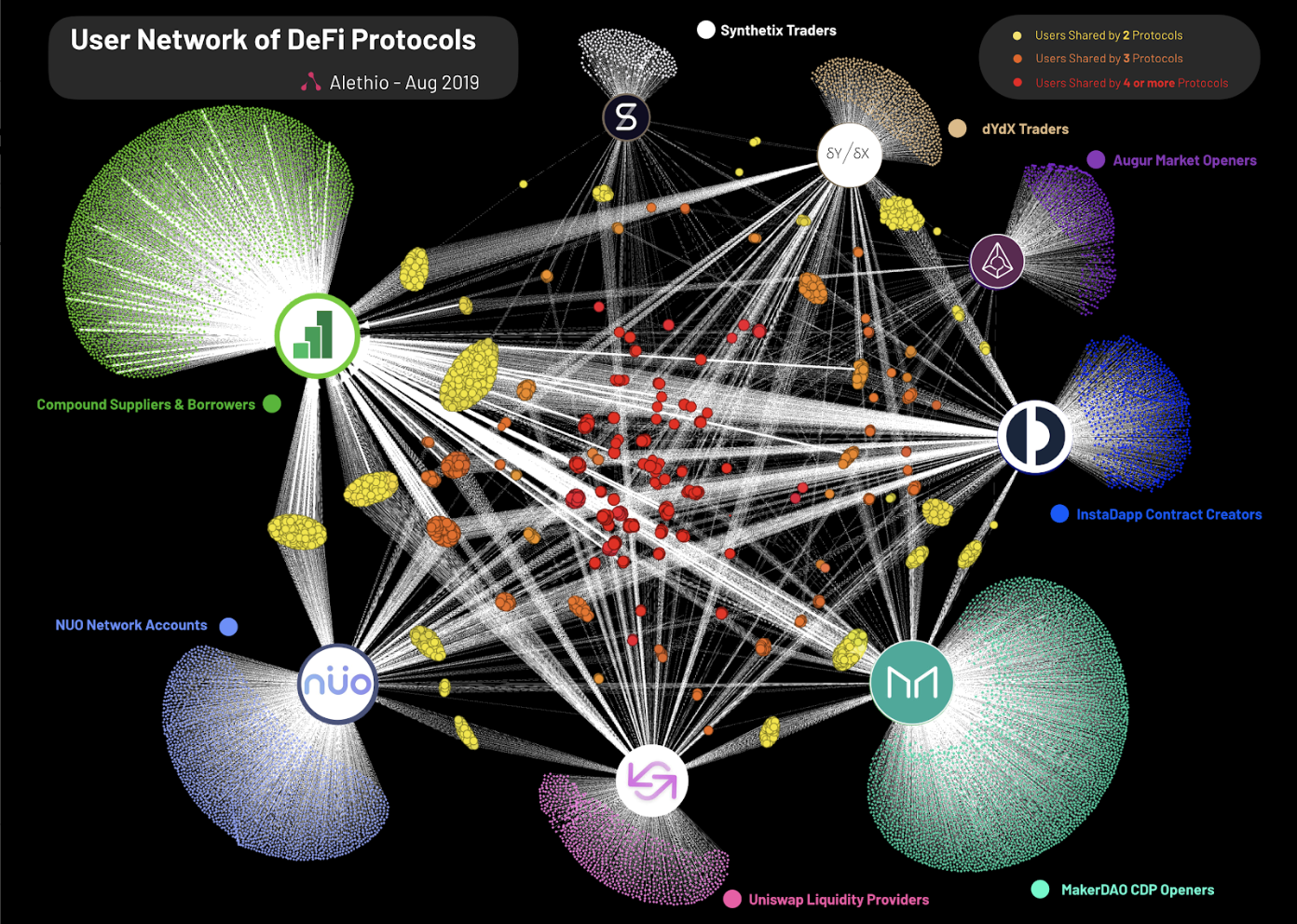
Protocol Interactions: Gauges engagement depth with DeFi apps, from lending to trading, per OCCR Score models.
Consider a trader with a spotless history of repaying Aave loans and providing liquidity on Uniswap. Their score might hit 850, qualifying them for a $50,000 loan at 5% interest with just 110% collateral, far below standard requirements. Such efficiency could, as the Onchain Foundation suggests, unlock trillions in dormant capital, rivaling CeFi markets while preserving decentralization.
From a risk management perspective, I’ve always emphasized diversification. On-chain scores enable that at the protocol level, blending probabilistic models like OCCR with real-time wallet analytics. Harvard’s research underscores this shift from heuristics to objectivity, reducing false positives in risk flagging and empowering DeFi lending protocols to compete with banks.
Navigating Challenges Toward Mainstream Adoption
Standardization remains a sticking point; competing models from TrueFi, RociFi, and Lendvest create interoperability issues. Adversarial tactics, like sybil attacks via multiple wallets, also threaten integrity. Yet, innovations like zero-knowledge proofs from Untangled Finance’s Moody’s integration offer privacy-preserving verification, while Chainlink oracles ensure data reliability.
Regulatory clarity will accelerate adoption too. As stablecoin lending matures, per Visa’s analysis, on-chain identity systems will bridge Web3 with global finance, making Web3 lending scores indispensable. GARP’s risk professionals foresee hybrid on-off-chain models capturing fuller borrower profiles, minimizing defaults without invasive KYC.
In practice, platforms are iterating fast. Huma Finance’s tracking of app interactions builds reputation tokens, non-transferable badges of trust that lenders prize. This gamifies good behavior, much like loyalty programs in tradfi, but with real economic stakes.
Looking ahead, expect deeper AI integration, as in machine learning models for undercollateralized loans. These will parse nuanced patterns, like yield farming consistency or oracle usage, yielding scores that predict defaults with 90% and accuracy. For investors like myself, this means DeFi portfolios with CeFi-like stability, diversified across scored borrowers and protocols.
The beauty lies in its self-reinforcing loop: more users, richer data, better scores, broader approvals. DeFi loan approvals, once collateral chokeholds, now hinge on proven on-chain merit, welcoming the bankless while safeguarding capital. As blockchain credit scoring matures, it doesn’t just boost access; it redefines trust in decentralized economies, one wallet at a time.
About the Author