

Imagine unlocking a loan in DeFi without tying up double the amount in collateral. That’s the promise of on-chain credit scores like FairScore, which are slashing those requirements by 50% or more. In a space where over-collateralization has long been the norm, these blockchain-based reputation systems analyze your wallet’s history to prove you’re low-risk. No more excessive locks; just smarter lending that frees up capital for everyone.

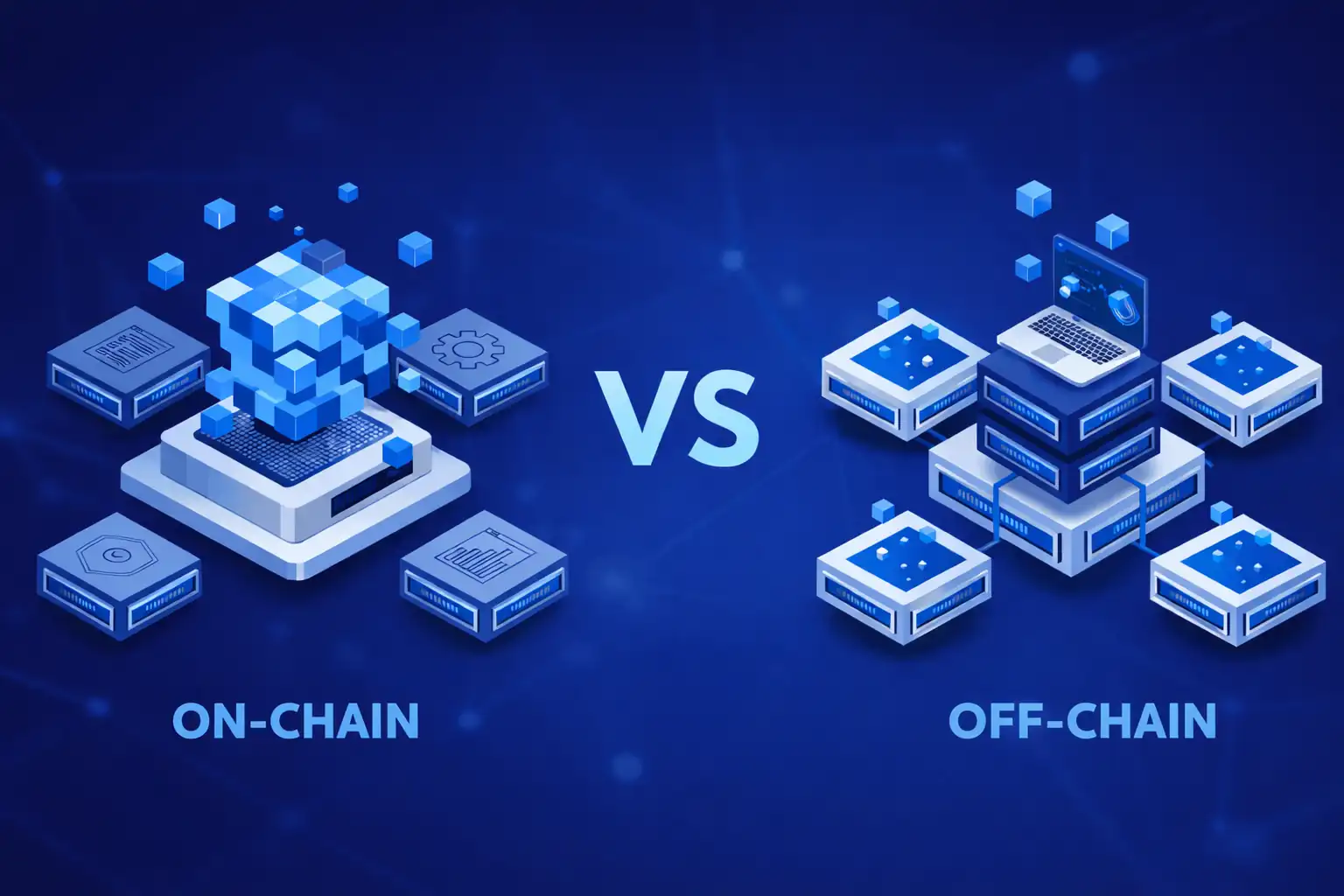
DeFi has exploded, but its lending model still feels stuck in the stone age. Borrowers must deposit assets worth 150% to 200% of the loan value to protect lenders from volatility. This ties up billions in idle capital, limiting access for everyday users and stifling growth. Platforms like Aave and Compound dominate, yet they demand this safety net because they lack better ways to gauge trustworthiness. Enter Web3 credit scoring: tools that read your on-chain behavior, from repayment history to liquidity provision, to build a blockchain reputation score.
The Mechanics Behind Cutting Collateral in Half
At its core, an on-chain credit score like FairScore pulls data straight from the blockchain. Think transaction frequency, loan repayments, interactions with DEXes, and even NFT holdings as signals of responsibility. Advanced models, inspired by papers like the On-Chain Credit Risk Score (OCCR), use probabilistic math to predict default risk. A high score means lenders can confidently drop collateral ratios to 50-100%, or even enable uncollateralized DeFi loans for top-tier wallets.
This isn’t guesswork. Protocols correlate scores with real outcomes, like liquidation rates. Veera FIS, for example, ties specific score thresholds to lower collateral needs, boosting yields while keeping risks in check. It’s capital efficiency on steroids, letting borrowers deploy more assets productively instead of babysitting them in vaults.

This is a fair launch:
– Minimum raise: $750K at $0.00125/token
– FDV: $1.25M (yes, you read that right)
– Circulating Supply at TGE: 60%
1% of $FAIR goes to FairScore contributors. The team is putting the protocol in the hands of the community https://t.co/t3HxgkkvkC

Real-World Wins: Veera FIS and CreDA Lead the Charge
Veera FIS stands out by leveraging on-chain scores to offer under-collateralized loans that traditional DeFi can’t touch. Their system maps scores to liquidation probabilities, allowing borrowers with strong histories to borrow at ratios as low as 50%. This directly reduces DeFi collateral burdens, opening doors for users previously shut out. Check out how they’re boosting DeFi yields through blockchain activity at cryptocreditscores.org.
CreDA takes it further with partnerships like FilDA, using Crypto Credit Scores for leveraged, low-collateral lending on Filecoin. Users with solid scores access better terms, proving the model’s scalability across chains. These aren’t isolated cases; they’re the vanguard of a shift from blind collateral to data-driven trust. As Bankless notes, DeFi lending is evolving into programmable finance, where scores like FairScore fuel that engine.
Building Your Score: Actionable Steps for Borrowers
Want in on this? Start by nurturing your wallet’s reputation. Consistent repayments on small loans, steady liquidity provision, and avoiding high-risk trades all boost your FairScore DeFi profile. Platforms track these transparently, rewarding good actors with lower collateral demands. It’s empowering; your on-chain life becomes your credit file, verifiable by anyone.
Critics worry about data gaps or volatility skewing scores, but iterations like AI-powered models from Kava. io address that, blending on- and off-chain signals for robustness. The result? A DeFi ecosystem where risk management feels intuitive, not punitive. Protocols maintain liquidity safety while slashing barriers, a win for lenders and borrowers alike.
Still, let’s not sugarcoat it: on-chain credit scoring isn’t flawless yet. Market swings can tank even solid wallets temporarily, and new users start with thin files, facing higher barriers. That’s where hybrid approaches shine, pulling in off-chain data sparingly to fill gaps without compromising decentralization. I see this evolution firsthand in my analysis work; protocols that adapt like this will dominate.
The Bigger Picture: Capital Efficiency Unlocked
Reducing DeFi collateral by 50% or more isn’t just a borrower perk, it’s rocket fuel for the entire ecosystem. Locked capital worth billions gets freed up for trading, staking, or yield farming. Lenders sleep better with data-backed decisions, slashing bad debt while expanding to underserved wallets. Take Solana’s DeFi scene: as Matt Pfeifer points out on Medium, on-chain credit scores reward responsibility, turning one-time users into loyal players. This shift from collateral-only to holistic Web3 credit scoring could balloon TVL, making DeFi rival TradFi liquidity pools.
This is a fair launch:
– Minimum raise: $750K at $0.00125/token
– FDV: $1.25M (yes, you read that right)
– Circulating Supply at TGE: 60%
1% of $FAIR goes to FairScore contributors. The team is putting the protocol in the hands of the community https://t.co/t3HxgkkvkC
Global risk pros at GARP emphasize accurate scoring for safe liquidity. When models like OCCR predict defaults probabilistically, protocols dial in precise collateral tiers, say 75% for mid-range scores. It’s not reckless; it’s refined. Platforms analyzing liquidity pool interactions or DEX trades build richer profiles, spotting patterns invisible to centralized bureaus.
Level Up Your Wallet: Practical Tips
Ready to build your blockchain reputation score? Begin small. Borrow modestly on Aave, repay early, and provide liquidity on Uniswap. Diversify interactions across chains to show stability. Tools from Binance’s on-chain credit guide highlight tracking apps like Nansen or Dune for self-audits. Over time, your FairScore climbs, unlocking uncollateralized DeFi loans. Pro tip: Avoid rugs and flash loans; they ding your profile hard. Consistency pays dividends here.
CreDA’s FilDA collab proves cross-chain viability, blending Filecoin activity with scores for low-collateral leverage. Mitosis University dives deep into hybrid data for undercollateralized loans, confirming on-chain signals predict repayments better than collateral alone. As Bankless frames it, this is DeFi’s next frontier: programmable trust at scale.
Zoom out, and FairScore DeFi exemplifies how we’re beating FICO at its own game. Decentralized, transparent, and real-time, these scores foster inclusion without gatekeepers. Sure, critiques from Chainscore Labs flag volatility risks in algorithmic models, but ongoing tweaks via AI, as Kava. io demos, harden them against shocks. The payoff? A fluid economy where capital flows to the worthy, not the over-pledged. Dive deeper into how on-chain credit scores enable undercollateralized lending in DeFi, and position your portfolio ahead of the curve. Your wallet’s future self will thank you.
About the Author