

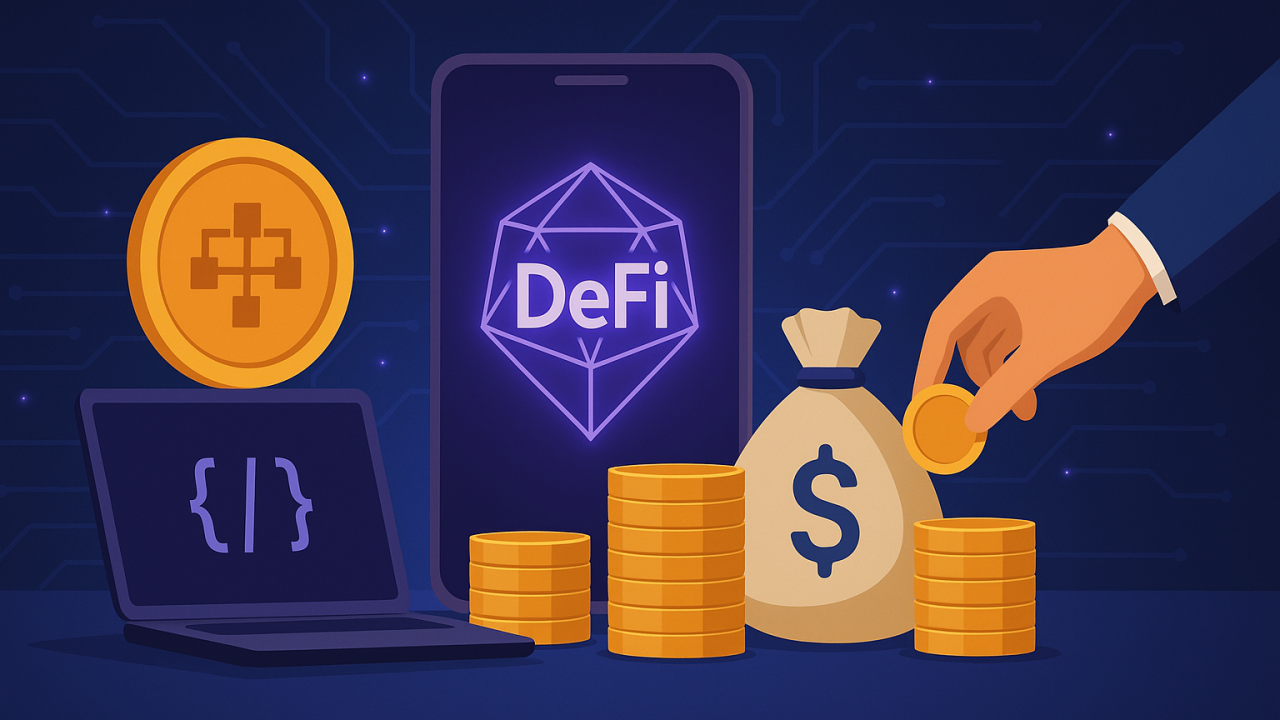
Imagine unlocking instant stablecoin liquidity in DeFi without locking up a dime in collateral, all thanks to your trusty FICO score. That’s the promise Fuero is delivering to U. S. prime borrowers with scores above 750, blending traditional credit wisdom with blockchain speed. As someone who’s analyzed countless on-chain metrics, I see this as a game-changer for zero collateral DeFi borrowing, finally making crypto lending feel more like your bank app than a high-stakes vault.

Fuero isn’t alone in this push. Platforms like Kixago and Cred Protocol are building on-chain credit FICO systems that mirror the 300-850 scale we know from TradFi, but powered by your full DeFi history across chains. FICO itself stepped up in June 2025 with Score 10 BNPL, incorporating Buy Now, Pay Later data to capture modern habits. Now, DeFi is adapting that logic on-chain, analyzing repayment patterns, asset diversity, and protocol interactions to greenlight undercollateralized loans. It’s not hype; it’s happening, and it’s set to supercharge liquidity for everyday users.
Fuero Leads the Charge for Prime Borrowers
At Fuero, they’ve crafted a private liquidity club exclusively for those elite 750 and FICO holders. No loans in the traditional sense – just reputation-based credit lines you draw on demand. Picture this: you provide your FICO verification, and boom, access stables without overcollateralization. Their LinkedIn buzz highlights capital efficiency, letting you deploy funds into yield farms like Uniswap or Beefy without tying up capital. Reddit threads are lighting up with excitement, folks dreaming of amplified LP positions if yields hold strong.

This model tackles DeFi’s liquidity fragmentation head-on, what Richa Joshi calls a ‘hidden tax. ‘ Instead of scattering assets across protocols, Fuero centralizes access for vetted users. I love how it prioritizes trust signals from off-chain credit while keeping everything on-chain for transparency. Sure, it’s invite-only for now – join the waitlist if you’re prime – but it proves crypto FICO integration works at scale.
On-Chain Scores Mirror FICO for Broader Access
Beyond Fuero, projects like Cred Protocol score over 300 million EVM addresses in real-time, pulling from lending data across blockchains. Factors? Repayment timeliness, borrowing volume, even protocol diversity to spot sophisticated users. Kixago takes it further with a full FICO-style 300-850 range, giving lenders instant risk snapshots. It’s reminiscent of academic work like the OCCR Score from arXiv or blockchain credit proposals on ePrint, predicting repayment sans collateral risk.
Union Protocol adds a permissionless twist, letting any Ethereum address build credit lines through on-chain trust accumulation. No KYC barriers, just prove your behavior over time. Centic’s deep dive shows how borrowing and lending data dominates these DeFi reputation scores, much like FICO weights payment history at 35%. The Bank for International Settlements even notes DeFi needs this info edge to tokenize real assets and ditch collateral reliance. We’re witnessing TradFi-DeFi convergence, empowering more wallets with FICO DeFi loans.
Why Zero Collateral Changes Everything for DeFi Users
Traditional DeFi lending demands 150-200% collateral, per Hedera insights, turning borrowing into a capital trap. With on-chain FICO equivalents, that flips. High-score users borrow stables at low rates, recycle into higher yields, and scale positions effortlessly. I’ve mentored traders who gripe about opportunity costs – this fixes it. Platforms assess holistic risk: do you default across Aave, Compound, and Morpho? Your score tells all.
Financial inclusion surges too. Undercollateralized access means newcomers with solid TradFi credit or proven on-chain reps aren’t shut out. Check how on-chain credit scores enable undercollateralized lending in DeFi for the mechanics. Lenders win with data-driven decisions, borrowers with freedom. As adoption grows, expect more protocols layering these scores, from EigenLayer restaking to RWAs.
But let’s get practical – how do you position yourself for these FICO DeFi loans? Start by nurturing your on-chain footprint. Consistent repayments on Aave or Compound build positive signals, while diversifying across protocols shows maturity. Pair that with a strong FICO, and platforms like Fuero open doors. I’ve seen traders boost their scores by 100 points just through steady borrowing habits, unlocking better rates and limits. It’s empowering; suddenly, DeFi isn’t just for whales.
Comparing Traditional FICO to On-Chain Credit Scores
On-chain systems borrow the best from FICO but adapt for blockchain realities. Payment history still reigns, but now it’s timestamped defaults or liquidations across chains. New metrics emerge: wallet age, interaction frequency, even social proofs from protocols like Union. Here’s a quick breakdown:
Key Differences Between Traditional FICO Scores and On-Chain Credit Scores
| Aspect | Traditional FICO Score | On-Chain Credit Scores (e.g., Kixago, Cred Protocol) |
|---|---|---|
| Score Range | 300-850 | 300-850 (Kixago); Real-time scores for 300M+ EVM addresses (Cred) |
| Data Sources | Off-chain data: payment history, credit utilization, BNPL, loans, credit mix | On-chain data: DeFi lending/borrowing history, repayments across multiple protocols and chains |
| Payment History | Late payments, delinquencies in traditional finance | Repayment behavior in DeFi loans across protocols |
| Asset Diversity | Indirect (via credit mix) | Direct analysis of on-chain asset holdings and diversity |
| Protocol Usage | N/A | Diversity and frequency of interactions with DeFi protocols |
| Update Frequency | Periodic (monthly/quarterly) | Real-time via blockchain data |
| Geographic Scope | Primarily US consumers | Global, covering multiple blockchains (300M+ EVM addresses) |
| Lending Impact | Supports traditional loans with collateral/income verification | Enables zero-collateral DeFi loans through on-chain risk assessment |
This table highlights why crypto FICO integration feels seamless yet superior for DeFi. No black-box algorithms; everything’s verifiable on explorers. Lenders plug these scores into smart contracts for automated approvals, slashing defaults through predictive analytics akin to arXiv’s OCCR model.
Of course, risks linger. Off-chain FICO relies on centralized data, prone to hacks or disputes, while on-chain is pseudonymous but transparent. Fuero mitigates with prime-only access, but broader platforms demand hybrid verification. I advise starting small: test a low-limit line, monitor your score via Cred Protocol dashboards, and scale as trust builds. Regulators watch closely too; BIS pushes for tokenized assets to bridge this, ensuring compliance without killing innovation.
Steps to Access Zero Collateral Borrowing Today
Ready to dive in? Verify your FICO above 750 for Fuero’s waitlist – it’s exclusive but worth it. For permissionless options, grind on Union: interact daily, repay early, watch your credit line grow. Platforms like Kixago offer free score checks; use them to benchmark. Recycle borrowings into yield optimizers, but always hedge against volatility. Check out how on-chain credit scores enable undercollateralized lending in DeFi for deeper tactics. My mentees report 20-30% yield boosts from freed capital, proving the math.
Challenges remain, sure. Not everyone’s prime, and on-chain history takes time for newbies. Yet, this shift from collateral cages to reputation freedom redefines DeFi. Imagine funding restaking or RWAs without selling bags – that’s the liquidity multiplier we crave. Projects blending TradFi scores with blockchain proofs, like Centic’s lending data emphasis, pave the way.
Ultimately, these tools democratize capital. Whether you’re LPing on Uniswap or bridging to real-world yields, on chain credit FICO unlocks potential once locked behind overcollateralization. At Crypto Credit Scores, we’re tracking this evolution closely, providing the analytics you need to thrive. Adapt your strategy, check your score, and borrow boldly – the decentralized future rewards the reliable.
About the Author