
In the fast-paced DeFi landscape, a strong on-chain credit score opens doors to favorable DeFi borrowing guide terms, especially as protocols shift toward undercollateralized loans. Platforms like Aave and Compound, which dominate 89% of on-chain lending volume, now integrate blockchain credit scoring models from projects such as Cred Protocol. These scores evaluate your borrowing history, asset diversity, and repayment reliability purely from on-chain data, bypassing traditional banks. Building one requires deliberate, low-risk actions focused on Aave v3 and similar protocols to signal trustworthiness to lenders.
Cred Protocol's machine learning model, trained on Aave v2 activity, rewards consistent, conservative behavior while flagging high-risk moves. By following these seven targeted steps, you can build crypto credit score from scratch, positioning yourself for lower rates and higher limits in 2026's maturing Web3 lending market.
Set Up a Dedicated Wallet for Transparent DeFi Activity
The first step is creating a dedicated, transparent wallet for DeFi activities on Ethereum or Layer 2 solutions like Optimism. Avoid using your main holding wallet cluttered with speculative trades or NFT flips; instead, launch a fresh one via MetaMask or Rabby. Link it to an ENS name for verifiability, as decentralized identities boost credibility in scoring algorithms.
This isolation keeps your DeFi history clean and focused. Credit models like those from Spectral or Cred Protocol scan for wallet age, transaction patterns, and cross-protocol engagement. A new, purpose-built wallet starts your profile at zero but builds positively from day one without legacy red flags like past liquidations.
A transparent wallet history is the bedrock of any reliable on-chain credit score.
Fund and Initiate Small Over-Collateralized Borrows on Aave v3
Once set up, fund your wallet with stablecoins like USDC or USDT, then deposit collateral on Aave v3 to kick off small over-collateralized borrows. Start modest: supply $1,000 in ETH or WBTC as collateral and borrow $200 in USDC. This establishes an initial borrowing footprint without excessive risk.
Aave v3's improved efficiency and Optimism deployment make it ideal for L2 cost savings. Protocols analyze your loan-to-value (LTV) ratios and health factors here; healthy starts signal prudence. Diversify holdings slightly with stables to show stability, aligning with Cred Protocol's emphasis on balanced portfolios.
Borrow Conservatively and Repay Promptly
Next, borrow conservatively under 50% LTV using stable assets like USDC, and repay within 30 days. Aim for loans at 30-40% LTV to keep your health factor above 2.5, well clear of liquidation zones. Timely repayments, especially short cycles, demonstrate reliability that machine learning models prioritize.
Research from arXiv on scoring Aave accounts highlights repayment speed as a top factor. Bots and pseudoanonymous actors dilute data pools, but your human-like, conservative patterns stand out positively. Track via Aave's dashboard; each cycle adds data points boosting your score.
Repeat these borrow-repay cycles 5-10 times, gradually scaling amounts from $200 to $1,000 while monitoring health factor above 2. This repetition forges a robust history. Each loop refines your profile, as scorers weigh recency and volume growth. By step four, you'll see tangible improvements on Cred Protocol dashboards, setting the stage for diversification.
These initial steps mirror strategies in AI-powered models tackling DeFi's data challenges, per Medium analyses. Stay disciplined; your on-chain footprint is permanent and powers trillions in potential undercollateralized lending, as noted by the Onchain Foundation.
With a solid foundation from those cycles, shift focus to preserving your gains by steering clear of anything that could tarnish your profile.
Steer Clear of Risky Assets, Flash Loans, and Suspicious Bridges
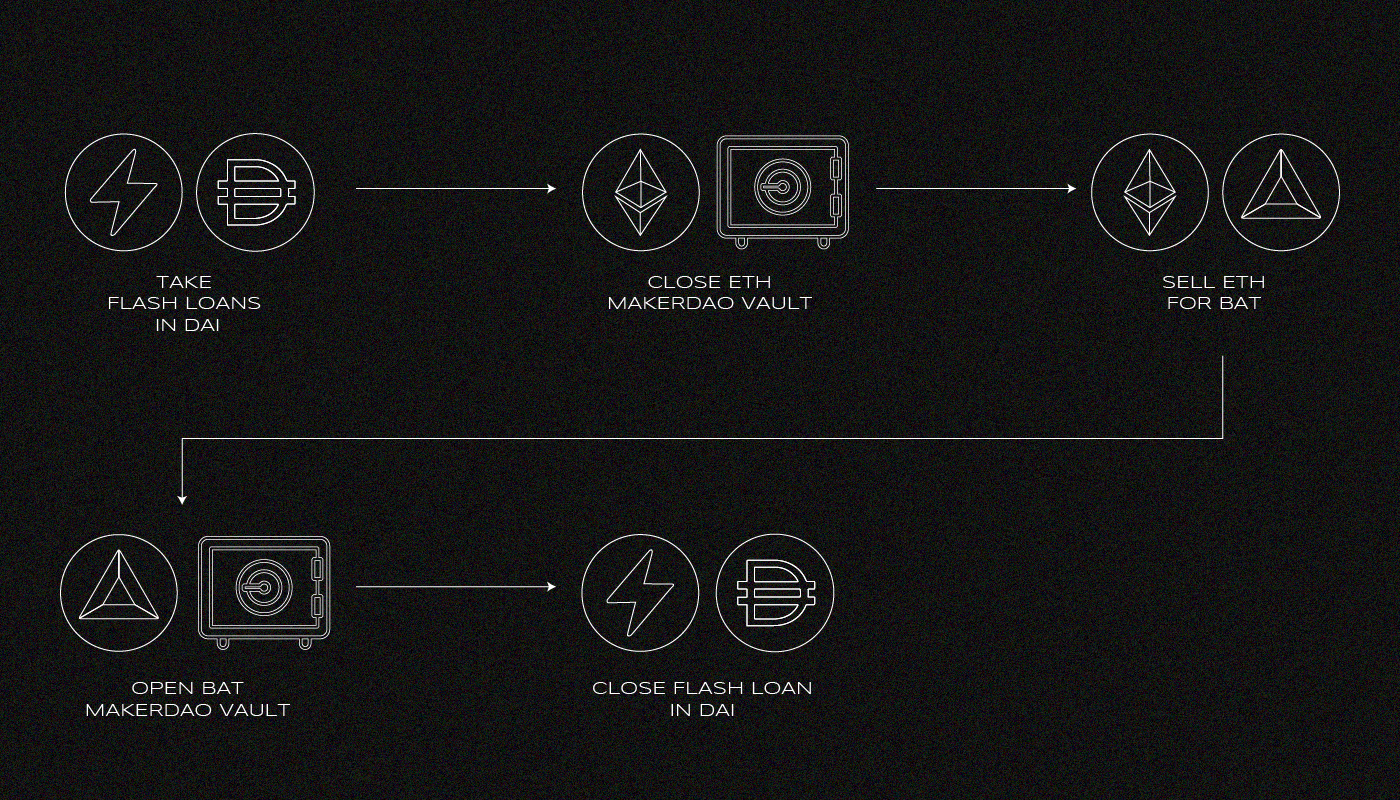
Step five demands vigilance: avoid risky assets, flash loans, and bridges that flag as suspicious in credit models like Cred Protocol. High-volatility tokens like meme coins or unproven L3 assets introduce liquidation risks that scorers penalize heavily. Flash loans, while innovative, scream manipulation to ML algorithms trained on Aave data, as they mimic bot behavior amid DeFi's pseudoanonymity woes.
Bridges carry similar red flags due to exploit histories; stick to native L2 transfers on Optimism. In my experience bridging traditional finance to Web3, one bad bridge tx can undo months of clean history. Cred Protocol's model, per their Medium deep dive, downgrades wallets with these patterns, prioritizing steady, human-scale activity over exploits or arbitrage hunts. Your goal is boring reliability, not flashy yields.
Opt for whitelisted stables and blue-chip collaterals exclusively. This purity aligns with GARP's push for efficient on-chain risk management, unlocking Web3 lending rates that reward the cautious.
Diversify into Credit-Aware Protocols like Compound III and Morpho
Now broaden your footprint with step six: engage credit-aware protocols such as Compound III or Morpho to diversify your on-chain history. Aave alone is great, but multi-protocol activity signals ecosystem savvy. Compound III's efficiency layers and Morpho's peer-to-peer matching use similar scoring inputs, compounding your positive signals across 89% of lending volume dominated by these giants, per Visa's 2025 analysis.
Transition smoothly: after Aave cycles, supply to Compound and borrow USDC at conservative LTVs, repaying promptly. Morpho optimizes rates via vaults, rewarding scored users with undercollateralized previews. This diversification mirrors SSRN's unified DeFi risk index, blending Aave, Compound, and Uniswap metrics for holistic views. Lenders see you as battle-tested, not siloed.
I advocate this step strongly; single-protocol loyalty limits upside in a maturing market eyeing trillions in unlocked capital, as Onchain Foundation projects.
Monitor and Refine Your Score with Real-Time Dashboards
Finalize with step seven: track your score via Cred Protocol or Spectral dashboards and optimize based on real-time feedback. Plug in your wallet address; these tools reveal factors like repayment velocity, portfolio balance, and health factor trends. Spectral's visuals break down ML weights transparently, echoing arXiv's call for defensible DeFi scoring.
Adjust iteratively: if diversification lags, add a Morpho loop; if LTV creeps high, dial back. Aim for top-quartile scores enabling 80% LTV or undercollateralized pilots in 2026 protocols. This feedback loop turns building a crypto credit score into a dynamic skill, much like tuning a portfolio in tradfi.
Mastering these steps crafts an impeccable on-chain credit score, paving the way for superior DeFi borrowing guide outcomes. From modest Aave starts to multi-protocol mastery, you'll access lower rates, bigger limits, and even undercollateralized loans as blockchain credit scoring evolves. In DeFi's trustless world, your history is your collateral; build it wisely, and the ecosystem rewards you handsomely.




No comments yet. Be the first to share your thoughts!