
Imagine needing a loan to seize a DeFi opportunity, but your wallet lacks the hefty collateral most protocols demand. Overcollateralized lending has been DeFi's safety net, yet it locks out countless users who could thrive with smarter risk assessment. Enter on-chain financial identity scores, a game-changer pulling from your blockchain footprint to prove you're loan-worthy without tying up assets.
These scores analyze everything from your transaction patterns to DeFi interactions, crafting a transparent profile lenders trust. No banks, no paperwork, just pure on-chain proof. At Crypto Credit Scores, we've seen how this tech opens doors, much like traditional credit scores did for fiat finance, but decentralized and real-time.
Building Your On-Chain Financial Identity
Your financial identity score starts with wallet activity: consistent deposits, smart contract calls, and repayment history across protocols. Advanced models layer in reputation from governance votes or NFT holdings, painting a fuller risk picture. Think of it as FICO meets blockchain, scoring you on-chain creditworthiness from 0 to 1000.
Key On-Chain Score Boosters
- Transaction Volume: Higher on-chain transaction volume demonstrates consistent activity and effective liquidity management, building lender trust in undercollateralized DeFi loans.
- Repayment Success Rate: A proven history of timely repayments across DeFi protocols signals low default risk, key for platforms like Goldfinch.
- DeFi Protocol Diversity: Interacting with multiple protocols (e.g., Aave, Compound) shows broad experience and reduces single-point failure risks.

- Wallet Age: Older wallets with steady activity indicate long-term commitment and stability in the ecosystem.
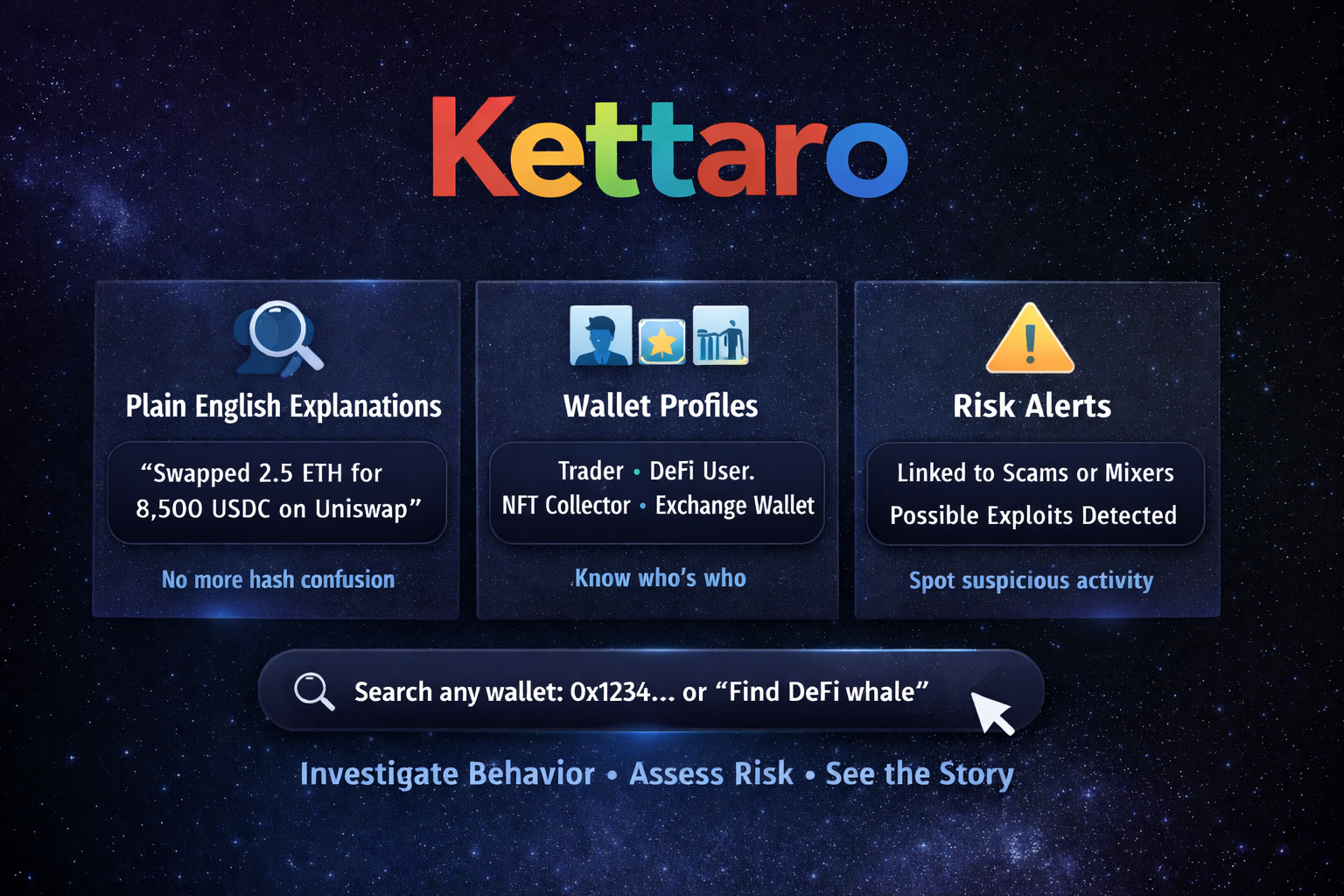
- ZK-Verified Off-Chain Income: Zero-knowledge proofs, as in Teller Finance, verify real-world income without exposing privacy, enhancing scores.
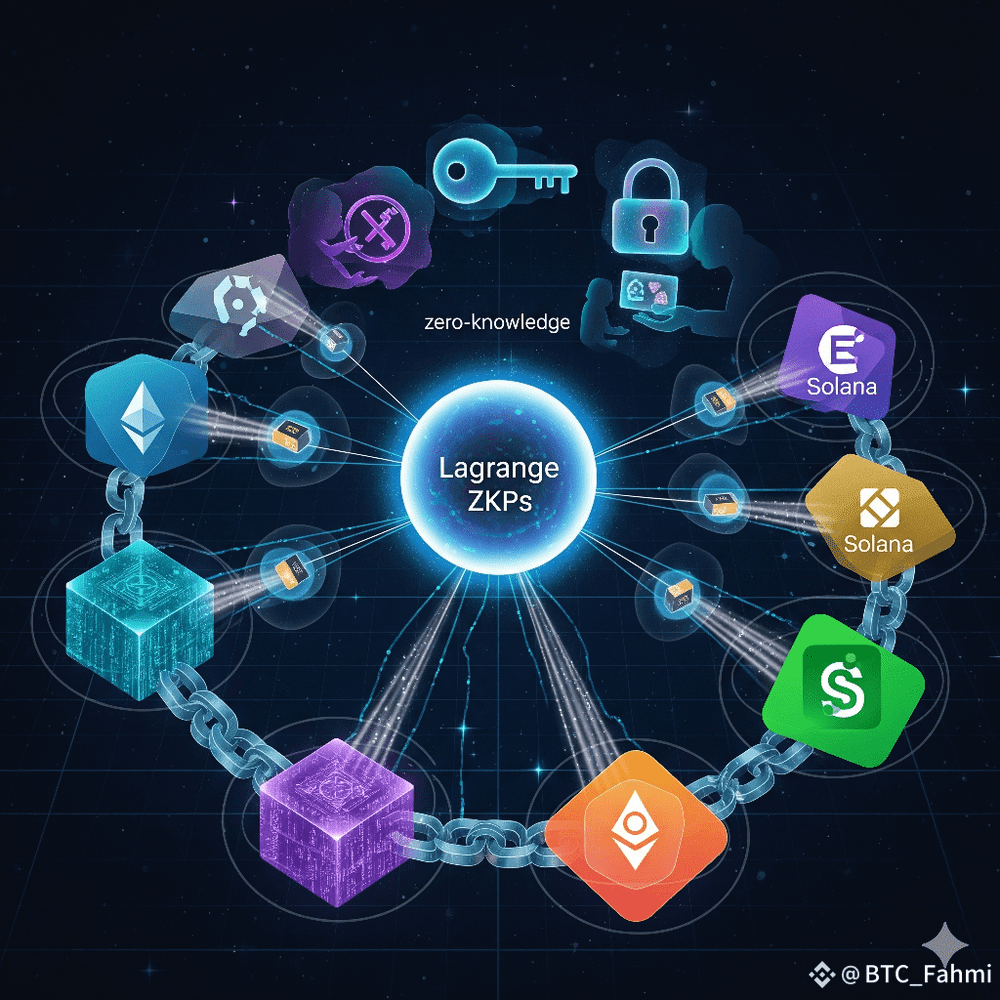
Pragmatically, higher scores mean lower collateral needs or straight undercollateralized DeFi loans. Platforms aggregate this data pseudonymously, respecting privacy while slashing default risks through proven behavior.
Why Overcollateralization Holds DeFi Back
Today's DeFi lending thrives on excess collateral, often 150-200% of loan value, shielding against volatility. Secure? Absolutely. Inclusive? Hardly. Users without stacked ETH or stables miss out, stifling growth. Galaxy Research notes DeFi's 24/7 nature begs for evolution beyond self-referential assets.
DeFi lending is no longer an experiment in collateralized leverage; it's evolving into programmable finance. (Bankless)
Sources like the Onchain Foundation predict trillions flowing in once on-chain credit scores enable undercollateralized alternatives. The pseudonymous blockchain hurdle? Overcome by scores verifying trust via history, not identities.
Protocols Paving the Path Forward
Goldfinch leads with its consensus model, issuing over $100 million in DeFi undercollateralized loans to emerging markets. Borrowers pitch, backers vote, scores guide. Teller Finance pairs Chainlink oracles for privacy-preserving proofs, proving credit without data leaks.
LFG Protocol tokenizes reputation via social profiles and ZKPs, blending on-chain signals for seamless lending. Veera's FIS eyes widespread adoption, lowering ratios for proven users. These aren't hypotheticals; they're live, proving blockchain credit scoring works.
Challenges like Sybil attacks loom, but decentralized IDs counter them. Standardization lags, yet collaborative pushes build common models. For lenders, on-chain scores mean precise Web3 lending rates, tailored to behavior not balances.
Picture a lender offering DeFi undercollateralized loans at rates dipping below 5% for top scorers, while riskier profiles pay a premium. That's the precision blockchain credit scoring delivers, dynamically adjusting based on real behavior. At Crypto Credit Scores, our models crunch wallet histories to output scores that predict defaults better than collateral alone ever could.
Real-World Wins from Leading Protocols
Goldfinch's track record speaks volumes: over $100 million disbursed to borrowers in 18 countries, many small businesses bootstrapping without crypto stacks. Their backers rely on junior/senior tranche structures, where high financial identity scores signal safety. Teller's DECO-powered proofs let off-chain credit data peek through without doxxing, a privacy win that Chainlink champions as DeFi's next leap.
Comparison of Protocols Enabling Undercollateralized DeFi Loans
| Protocol | Key Feature | Loans Issued | Privacy Tech |
|---|---|---|---|
| Goldfinch | Trust through consensus | Over $100M | None |
| Teller | Privacy-preserving oracle proofs | POC stage | DECO/ZK |
| LFG | On-chain social profiles & tokenized reputation | Emerging | ZKPs |
| Veera | FIS system | Planned rollout | Tokenized rep |
This table highlights how each carves a niche. Goldfinch scales globally; Teller prioritizes secrecy. Veera's Veera FIS aims to standardize scores across chains, potentially slashing collateral to 50% or less for elite users. Early adopters report default rates under 2%, trouncing traditional fintech in volatile markets.
I've analyzed countless wallets, and the pattern holds: diversified activity across protocols like Aave or Compound boosts scores 20-30%. Lenders love it, borrowers access capital fluidly. Galaxy Research underscores DeFi's nonstop operation; pair that with scores, and you get lending that sleeps never, risks managed always.
Steps to Build Strong On-Chain Score
- Maintain Consistent Repayments: Timely repayments on platforms like Goldfinch build a proven track record, boosting your score by showing reliability to lenders.

- Diversify DeFi Interactions: Engage with multiple protocols like Aave, Compound, and Uniswap to demonstrate broad, responsible activity across the ecosystem.
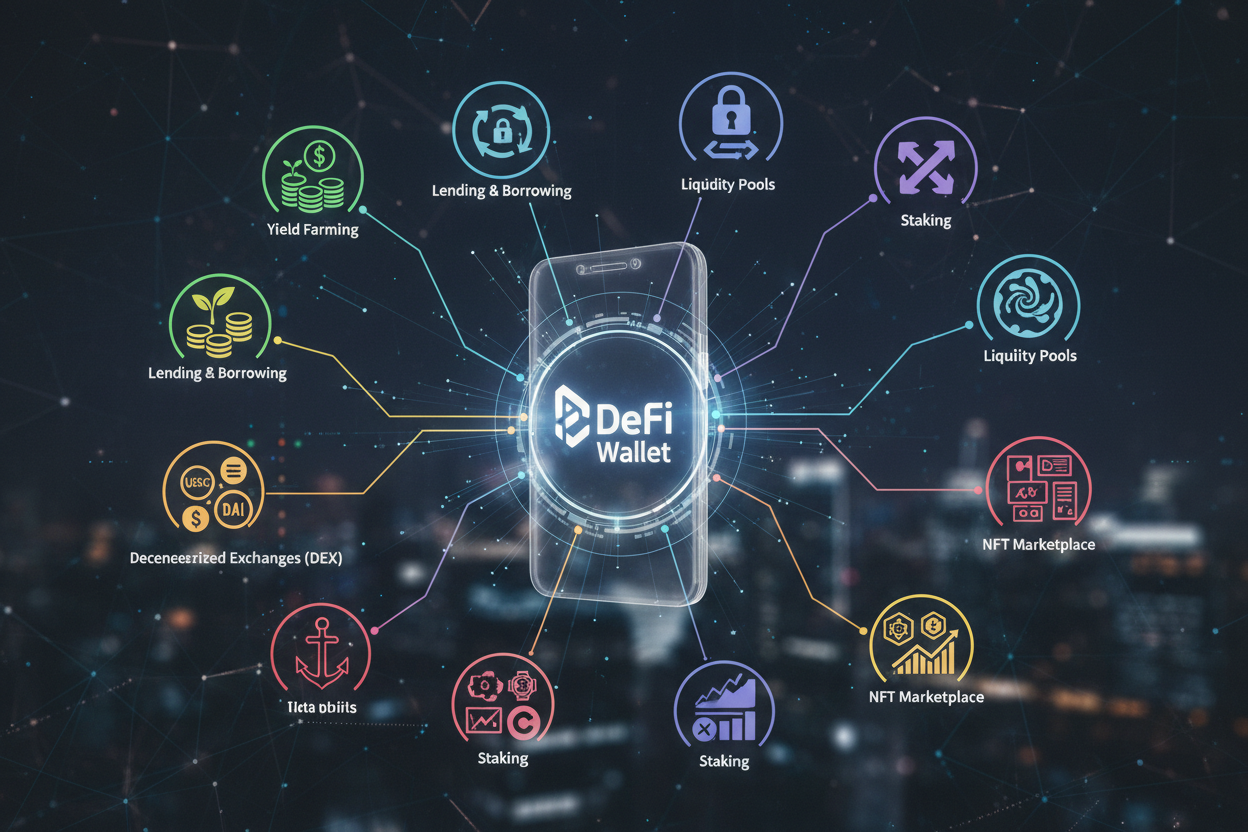
- Age Your Wallet Steadily: Use the same wallet over time without frequent changes, as longer histories signal legitimacy and reduce Sybil attack risks.

- Verify Off-Chain Income via ZK: Use zero-knowledge proofs on protocols like Teller Finance with Chainlink to prove income without exposing personal data.
- Participate in Governance: Vote and engage in DAOs like Goldfinch or others to earn reputation through on-chain contributions and skin-in-the-game.
Risk Management Reimagined
Undercollateralized lending thrives on layered defenses. Scores form the base layer, flagging anomalies like sudden volume spikes hinting at rugs. Add oracle feeds for real-world income proofs, and you've got hybrid models resilient to crypto winters. Sybil resistance? Snapshot wallet clusters or social graphs expose fakes. Privacy stays intact via ZK-SNARKs, proving attributes without spilling histories.
Standardization efforts, like those from the Onchain Foundation, push interoperable scores. Imagine porting your 850 on-chain credit score from Ethereum to Solana seamlessly. That's the trillion-dollar unlock: capital flows where trust exists, not just where collateral sits. Huma Finance nails it, calling on-chain credit decentralized lending's core.
Critics fret over data silos, but open protocols share aggregates pseudonymously. Bankless dubs this programmable finance's frontier; I agree, having modeled it myself. Lenders tweak Web3 lending rates per score band - 3% for 900 and, 12% for middling - optimizing yields without overexposure.
Crypto Credit Scores plugs right in, offering API-accessible profiles for any DeFi app. Users check scores free, protocols integrate for instant underwriting. We've scored millions of wallets, empowering everyday traders to borrow against reputation alone.
The shift feels inevitable. As blockchains mature, financial identity scores bridge pseudonymous gaps, inviting normies with thin collateral but thick histories. Protocols iterate fast; by 2026, undercollateralized could dominate TVL. Start building yours today - transact wisely, score high, borrow free.




No comments yet. Be the first to share your thoughts!