
In 2025, the landscape of decentralized finance is being reshaped by a new cornerstone: on-chain reputation scores. These dynamic, data-driven metrics are unlocking under-collateralized lending, reducing risk, and building trust throughout Web3. Unlike legacy credit bureaus that rely on opaque algorithms and outdated paperwork, on-chain reputation protocols harness blockchain’s transparency and composability to assess users’ trustworthiness in real time.
Why On-Chain Reputation Matters in Web3 Credit
Traditional DeFi lending models have long been hampered by the need for over-collateralization. This requirement excludes countless users who lack substantial crypto assets but have demonstrated responsible financial behavior. On-chain reputation scores solve this by analyzing verifiable wallet activity, such as loan repayments, governance participation, and transaction history, to create a holistic picture of creditworthiness.
The result? Borrowers with strong on-chain reputations can now access loans with reduced collateral requirements or even none at all. Lenders benefit from more granular risk assessment and can tap into previously underserved markets. For founders and protocol builders, integrating decentralized credit assessment is now essential for scaling user trust and capital efficiency across the ecosystem.
The Leading Tools Defining On-Chain Reputation in 2025
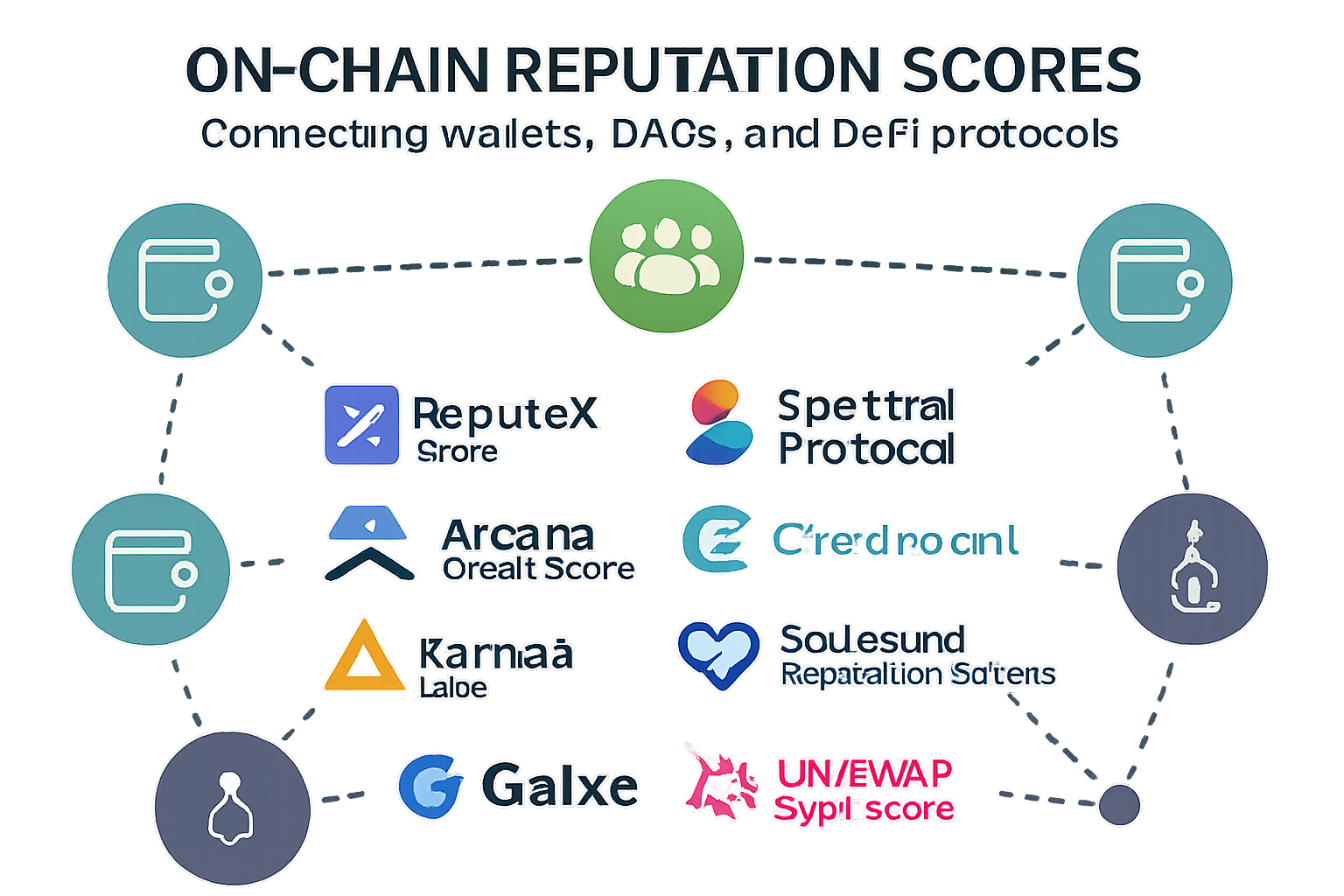
A curated set of nine cutting-edge platforms are driving this transformation in Web3 credit scoring. Each leverages unique approaches to blockchain identity reputation and privacy-preserving analytics:
Top 9 On-Chain Credit & Reputation Tools (2025)
- ReputeX Score – A comprehensive on-chain creditworthiness metric analyzing wallet activity, repayment history, and DeFi interactions to power under-collateralized lending and airdrop eligibility.

- Spectral Protocol – An AI-driven platform generating dynamic credit scores from users’ on-chain data, enabling lenders to assess risk and offer personalized DeFi loan terms.
- Arcana Credit Score – Provides privacy-preserving credit assessments by aggregating multi-chain activity, helping users unlock DeFi products without compromising sensitive data.
- Cred Protocol – Leverages machine learning to evaluate DeFi user behavior, offering transparent, portable credit scores for lending, DAOs, and reputation-based rewards.
- Karma3 Labs Reputation Engine – A decentralized reputation system assigning scores based on verifiable on-chain actions, supporting Sybil resistance and trustless collaboration across Web3.

- DegenScore Beacon – Quantifies DeFi engagement by analyzing wallet activity, transaction history, and protocol usage, rewarding active users with higher scores and exclusive access.

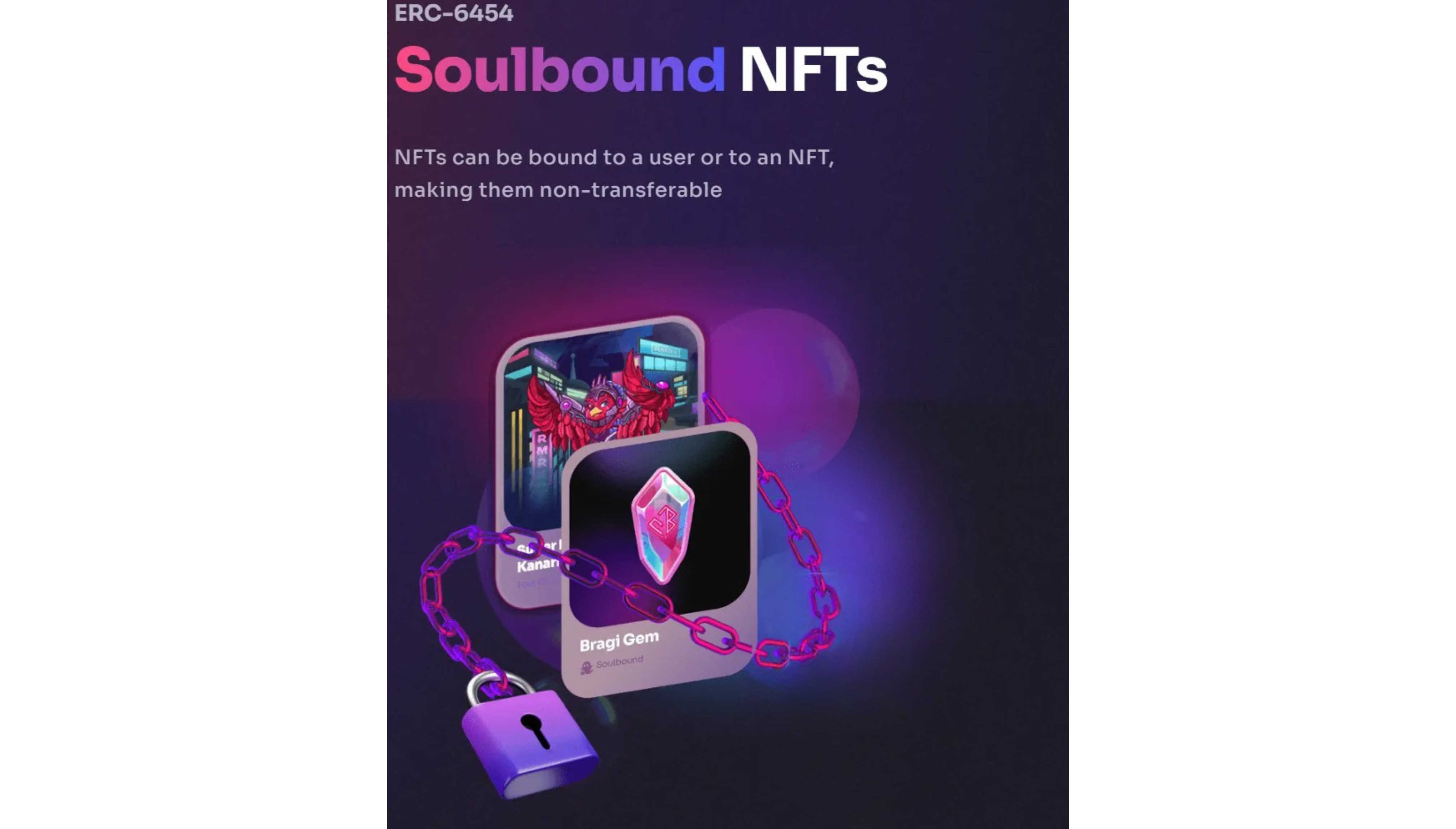
- Soulbound Reputation Tokens (SBTs) by Ethereum Attestation Service – Non-transferable tokens encoding users’ achievements and trust signals directly on-chain, enabling secure, composable reputation for DeFi and DAOs.
- Galxe Web3 Identity & Reputation – Aggregates on-chain credentials and social proofs to build holistic Web3 identities, empowering users to unlock lending, governance, and airdrop opportunities.

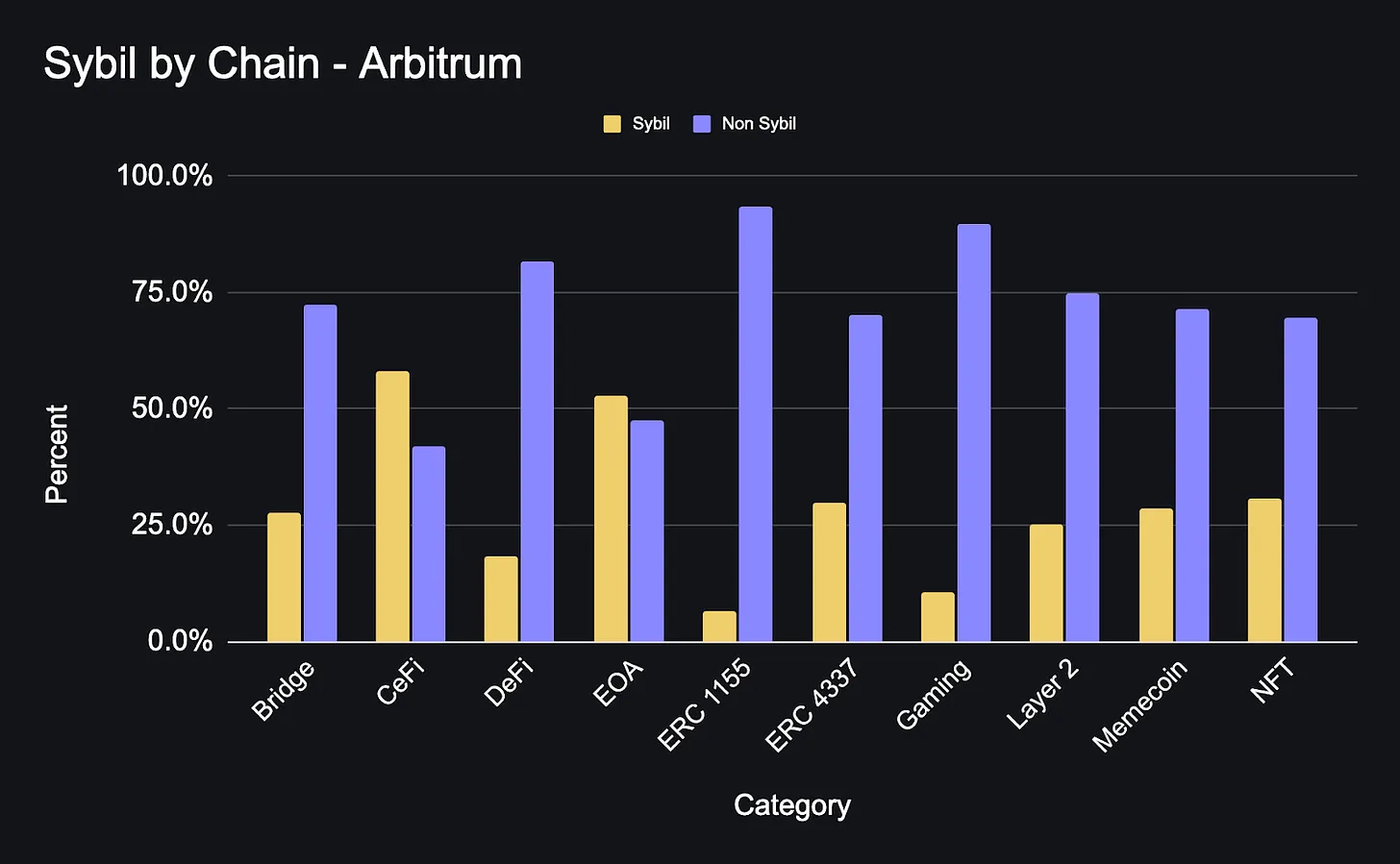
- Uniswap Sybil Score – A scoring system designed to detect and mitigate Sybil attacks by analyzing wallet behaviors, ensuring fair participation in airdrops and governance.
- ReputeX Score: A decentralized platform offering transparent assessments of user creditworthiness based on wallet activity and behavioral analytics. ReputeX Score empowers users to own their data and share it selectively for lending or airdrop eligibility.
- Spectral Protocol: Pioneering AI-driven risk modeling, Spectral Protocol aggregates cross-chain wallet data to generate predictive credit scores usable across DeFi platforms.
- Arcana Credit Score: Focused on privacy-first scoring, Arcana enables users to prove their reliability without exposing personal details through zero-knowledge proofs.
- Cred Protocol: By analyzing repayment histories, staking patterns, and DAO participation, Cred Protocol provides composable scores that help lenders identify trustworthy borrowers beyond raw collateral amounts.
- Karma3 Labs Reputation Engine: This engine quantifies social capital by tracking meaningful interactions within DAOs and communities, rewarding positive behavior with higher reputation scores.
- DegenScore Beacon: Tailored for power users active across multiple chains, DegenScore Beacon gamifies on-chain engagement while surfacing trustworthy actors for exclusive opportunities.
- Soulbound Reputation Tokens (SBTs) by Ethereum Attestation Service: SBTs serve as non-transferable badges attesting to achievements or credentials, think proof of KYC or successful loan repayment, directly tied to a single wallet.
- Galxe Web3 Identity and Reputation: Galxe combines identity verification with modular reputation modules that adapt as users participate in new protocols or events across the metaverse.
- Uniswap Sybil Score: Designed to combat manipulation in token launches and governance votes, this tool detects suspicious wallet clusters while rewarding authentic community members with higher credibility ratings.
The Mechanics: How Decentralized Credit Assessment Works
The heart of these systems lies in their ability to analyze publicly available blockchain data while preserving user privacy. For example, platforms like Spectral Protocol use machine learning models trained on diverse wallet behaviors, loan repayments, staking patterns, protocol usage, to assign predictive risk scores instantly. Arcana Credit Score takes it further by leveraging zero-knowledge proofs so users can demonstrate trustworthiness without revealing sensitive information.
Karma3 Labs’ Reputation Engine brings social dynamics into play: active governance participation or positive peer reviews within DAOs translate into tangible score boosts. Soulbound Reputation Tokens issued via the Ethereum Attestation Service act as immutable records of achievement or compliance, crucial for accessing exclusive DeFi products or governance rights without compromising anonymity.
This new generation of decentralized credit assessment is not just about numbers; it’s about building resilient communities where trust is earned through transparent action rather than gatekept by centralized intermediaries. As these tools gain adoption across lending markets, airdrop campaigns, and DAO memberships alike, they’re setting the standard for what credible participation looks like in the decentralized economy.
Crucially, these on-chain reputation protocols are designed for interoperability and composability. Scores built with ReputeX or Spectral Protocol are not siloed within a single dApp; instead, they can be leveraged across multiple DeFi lending pools, DAO membership gates, and even cross-chain identity solutions. This portability is a game changer for users, who no longer face the friction of rebuilding trust from scratch every time they interact with a new protocol.
Privacy and security remain paramount. Arcana Credit Score’s use of zero-knowledge proofs means that users can prove their creditworthiness or compliance without revealing wallet balances or personal details. Similarly, Soulbound Reputation Tokens by Ethereum Attestation Service ensure that achievements, such as successful loan repayments or KYC verification, are provable and non-transferable, making Sybil attacks far less effective.
Unlocking New Opportunities: Lending, Airdrops, and Beyond
The impact of these reputation tools extends well beyond lending. For instance, DegenScore Beacon has become a sought-after metric for identifying active and reputable participants in NFT drops or early-stage DeFi beta tests. Galxe Web3 Identity and Reputation modules let users build dynamic profiles that adapt as they participate in new protocols or complete on-chain quests, opening up access to exclusive governance roles or rewards.
Uniswap Sybil Score is another critical innovation for the ecosystem in 2025. By flagging suspicious wallet clusters and rewarding genuine community members with higher credibility ratings, it helps protect token launches and governance votes from manipulation, a persistent problem in earlier DeFi cycles.
"DeFi lenders are already seeing default rates drop as on-chain credit scores mature, " notes one protocol lead. "The best borrowers aren’t always the wealthiest, they’re the most consistent and transparent. "
What’s Next for On-Chain Reputation?
The next frontier lies at the intersection of AI-driven analytics, decentralized identity, and multi-chain interoperability. As more protocols adopt standards set by leaders like Cred Protocol and Karma3 Labs Reputation Engine, expect to see:
- Wider adoption of under-collateralized lending: Lower barriers mean more users can access capital using only their reputation.
- Dynamic scoring models: Real-time updates based on ongoing activity create living reputations that reflect current trustworthiness, not just historical data.
- Cross-protocol incentives: Users who maintain high scores across platforms may unlock premium rates or exclusive opportunities throughout the Web3 ecosystem.
- Enhanced privacy controls: Zero-knowledge proofs and modular identity attestations give users unprecedented control over what they share, and with whom.
This evolution is about more than technology; it’s about reimagining financial inclusion for millions who have been excluded by traditional systems. By shifting trust from centralized gatekeepers to transparent blockchain records, and by letting users own their reputations, Web3 is building an economy where opportunity is earned through action.
If you’re building in DeFi or exploring new forms of blockchain-based collaboration in 2025, understanding these reputation tools isn’t optional, it’s foundational. For deeper dives into how on-chain credit scores are transforming lending markets this year, check out our resource here: How On-Chain Reputation Scores Are Transforming DeFi Lending in 2025.




No comments yet. Be the first to share your thoughts!