

The decentralized finance (DeFi) landscape in 2025 is unrecognizable compared to just a few years ago. Lending applications now account for over 80% of the on-chain market, and the total value locked (TVL) in DeFi lending has surged to $55.9 billion as of June 2025. This explosive growth is powered by a single, game-changing innovation: multichain on-chain credit scores. These digital reputations are rewriting the rules of risk, access, and opportunity across every major blockchain.


Let’s dive into how multichain credit scoring is driving this transformation and why every DeFi participant, from solo traders to institutional lenders, needs to pay attention.
From Overcollateralization to Real Creditworthiness
For years, DeFi lending was dominated by overcollateralized loans: users had to lock up more crypto than they borrowed, stifling capital efficiency and excluding millions from meaningful participation. But with the rise of real-time blockchain credit scores, protocols can finally assess borrower risk based on transparent, verifiable on-chain activity, not just wallet balances.
This shift is seismic. Integrations like Untangled Finance’s partnership with Moody’s Ratings now bring institutional-grade credit data directly onto blockchains, enabling undercollateralized and even unsecured loans for users with proven reputations. Maple Finance, for example, has already facilitated over $1 billion in assets under management by leveraging these new risk models, bridging the gap between traditional finance and crypto-native lending.
If you want a deeper look at how these systems are reshaping lending risk management, check out our guide: How On-Chain Credit Scores Are Transforming DeFi Lending Risk Management.
Paving the Way for Cross-Chain Liquidity
No longer is your reputation trapped on a single chain or protocol. The latest generation of multichain credit scoring solutions allows users to build portable DeFi credit profiles that travel seamlessly across Ethereum, Solana, Polygon, and beyond. This unlocks new levels of interoperability, borrowers can access liquidity wherever it’s cheapest or most abundant without starting from scratch each time.
Securitize’s Hamilton Lane Senior Credit Opportunities Fund exemplifies this trend: fund units can now move across multiple blockchains as tokenized assets, broadening investor access and deepening liquidity pools across ecosystems. The result? A more resilient and efficient global lending marketplace where your reputation is truly borderless.
Financial Inclusion Through Decentralized Identity
The impact goes far beyond capital efficiency or yield optimization. By integrating on-chain credit scores with Web3 identity solutions, like soulbound tokens issued by Masa Finance, users worldwide can build verifiable reputations without sacrificing privacy or control over their data. These advancements are opening doors for billions who lack traditional banking access but have active on-chain histories.
This isn’t just theoretical; it’s happening now at scale. According to CoinLaw statistics, global DeFi lending users surpassed 7.8 million in 2025, growing 26% year-on-year as blockchain moves further into mainstream adoption.
The Road Ahead: Institutional Adoption and Sustainable Yields
With average DeFi yields now tracking traditional money market rates at around 3.4%, institutions are entering en masse, drawn by transparent risk metrics and programmable compliance built directly into smart contracts. Visa projects that on-chain lending could scale to an astonishing $40 trillion in coming years if current trends hold steady.
As capital flows into DeFi at record pace, the very nature of risk and reward is being redefined. Permissionless lending is no longer just a playground for crypto natives – it’s rapidly maturing into a programmable, institutional-grade financial system. Protocols like Aave, Morpho, and Plasma are racing to integrate multichain credit data feeds, unlocking under-collateralized lending on a scale that would have been unthinkable just a few years ago. The result? More efficient markets, lower default rates, and the ability for both individuals and DAOs to leverage their on-chain reputations for real-world financial opportunity.
Top 5 Benefits of Multichain On-Chain Credit Scores in DeFi (2025)
-
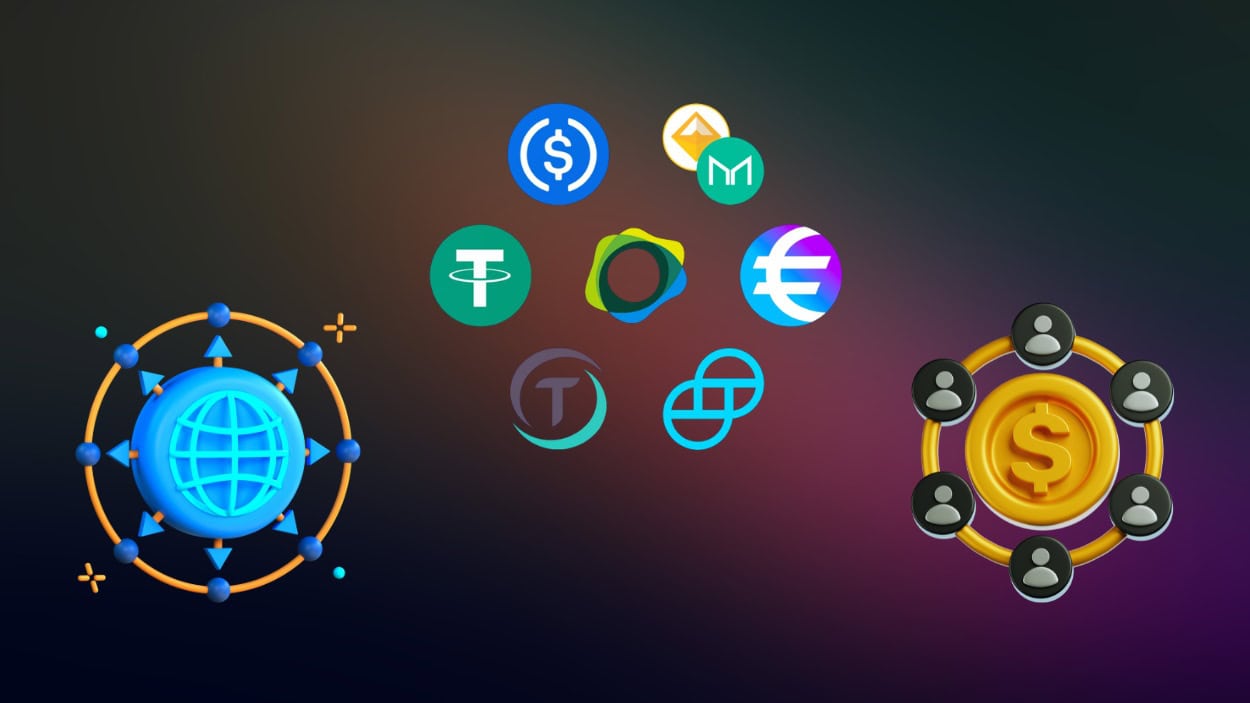
1. Enhanced Risk Assessment & TransparencyWith Moody’s Ratings now integrated on-chain via Untangled Finance, DeFi lenders gain real-time, decentralized credit data. This boosts transparency and enables smarter, data-driven lending decisions—reducing risk and reliance on centralized intermediaries.
-

2. Improved Capital EfficiencyOn-chain credit scores empower platforms like Maple Finance to offer undercollateralized loans to verified borrowers. This shift away from overcollateralization unlocks more capital, increases loan availability, and drives higher protocol efficiency.
-

3. Multichain InteroperabilityTokenized credit funds, such as Securitize’s Hamilton Lane Senior Credit Opportunities Fund, now move seamlessly across multiple blockchains. This interoperability expands liquidity and participation, connecting diverse DeFi ecosystems.
-

4. Greater Financial Inclusion & Decentralized IdentityProtocols like Masa Finance issue soulbound tokens for KYC and credit verification, letting users build portable, privacy-preserving reputations. This opens DeFi lending to underserved populations and enhances user sovereignty.
-
5. Accelerated Market Growth & Institutional AdoptionWith DeFi lending TVL reaching $55.9 billion by June 2025 and Visa projecting the sector could scale to $40 trillion, on-chain credit scores are fueling mainstream and institutional participation in DeFi.
But this isn’t just about bigger numbers or faster loan approvals. The integration of decentralized identity, privacy-preserving attestations, and cross-chain credit reputation is paving the way for a more inclusive future. Users from emerging markets can now access global liquidity pools based on their provable blockchain activity – not where they live or what documents they possess. For developers and founders, composable credit primitives are opening up new business models: think portable NFT-based credit badges, dynamic risk pricing engines, or even peer-to-peer lending circles governed by smart contracts.
Still, challenges remain. Ensuring data integrity across chains, mitigating Sybil attacks on reputation systems, and balancing privacy with transparency will require ongoing innovation from both protocol teams and standards bodies. Yet the momentum is undeniable: as more DeFi platforms adopt multichain scoring frameworks, we’re witnessing the emergence of a truly borderless financial reputation layer – one that rewards trustworthiness wherever it’s earned.
How to Build Your On-Chain Credit Reputation
Want to unlock better rates or access new DeFi protocols? Start by engaging meaningfully across multiple chains: supply liquidity to reputable pools, repay loans promptly, participate in governance votes, and connect your Web3 identity with privacy-first attestation solutions. Many protocols now issue soulbound tokens or NFT badges as proof of your responsible behavior – these assets can become your passport to lower collateral requirements and premium products across ecosystems.
If you’re ready to dive deeper into practical strategies for building your portable DeFi credit profile or want actionable insights into under-collateralized crypto lending models in 2025, check out our dedicated guides:
- How On-Chain Credit Scores Enable Collateral-Free Crypto Lending in 2025
- How Multichain Reputation Scores Power Cross-Chain DeFi Lending in 2025
The bottom line? In this new era of programmable finance powered by real-time blockchain credit scores, momentum belongs to those who embrace transparency and build trust – not just with code but with every transaction they make. The future of lending isn’t just multichain; it’s open to anyone willing to prove their reputation on-chain.
About the Author