

The decentralized finance (DeFi) landscape is undergoing a seismic shift in 2024 as on-chain credit scores become the cornerstone of reputation-based lending. Historically, DeFi protocols relied on over-collateralization, requiring borrowers to lock up crypto assets worth far more than their loans. This model limited capital efficiency and excluded users without substantial holdings. Recent advances in decentralized credit scoring, however, are unlocking new opportunities for under-collateralized and even unsecured lending, fueling exponential growth and transforming how trust is established in Web3 financial systems.
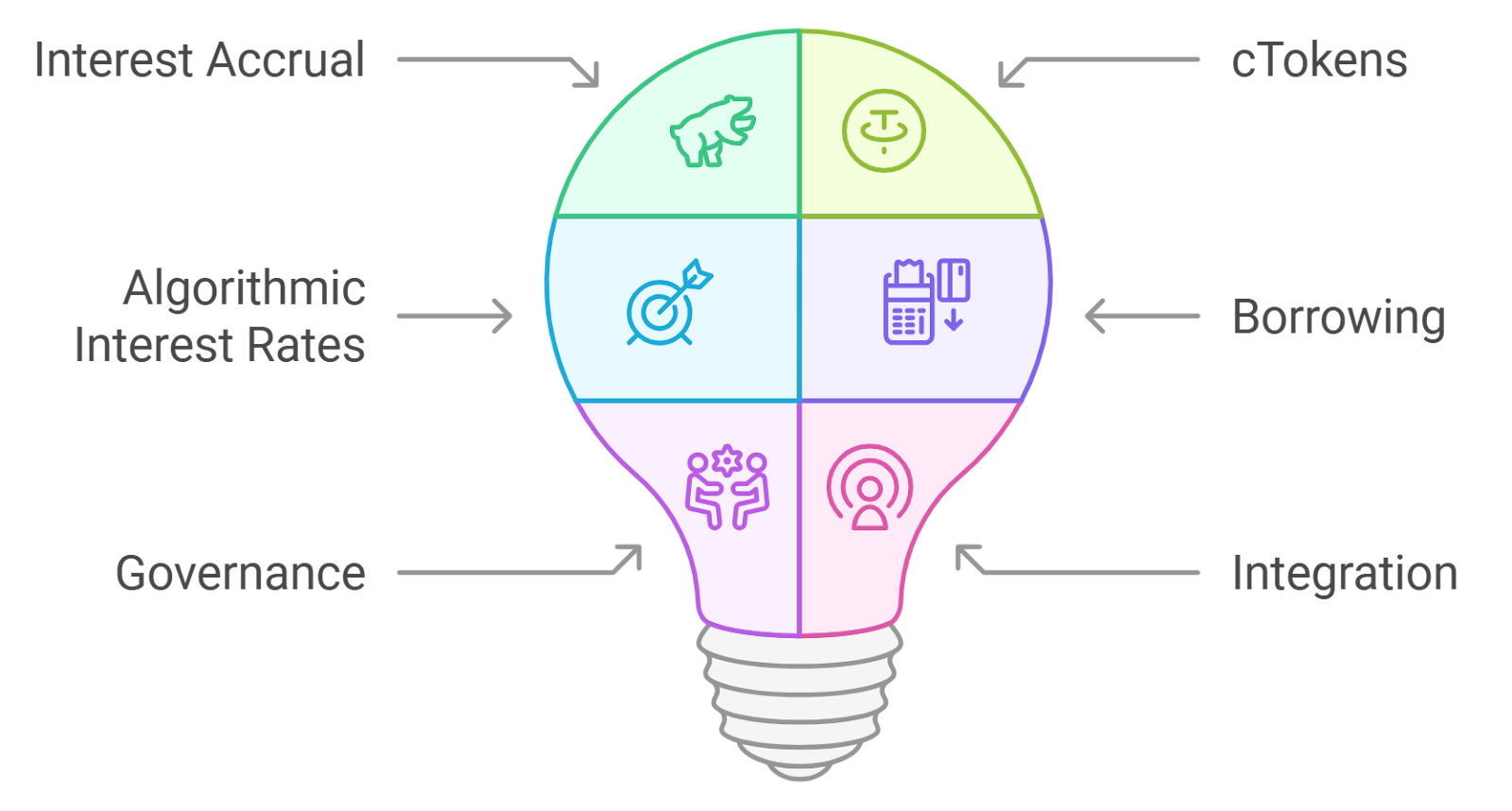
Reputation-Based DeFi Lending: The New Paradigm
The integration of on-chain credit scores directly addresses the inherent risk asymmetry that plagued early DeFi lending. Instead of treating all borrowers as equally risky, platforms now harness blockchain analytics to evaluate wallet activity, loan repayment histories, and cross-protocol behaviors. This enables nuanced risk segmentation and dynamic interest rates based on actual user reputation.
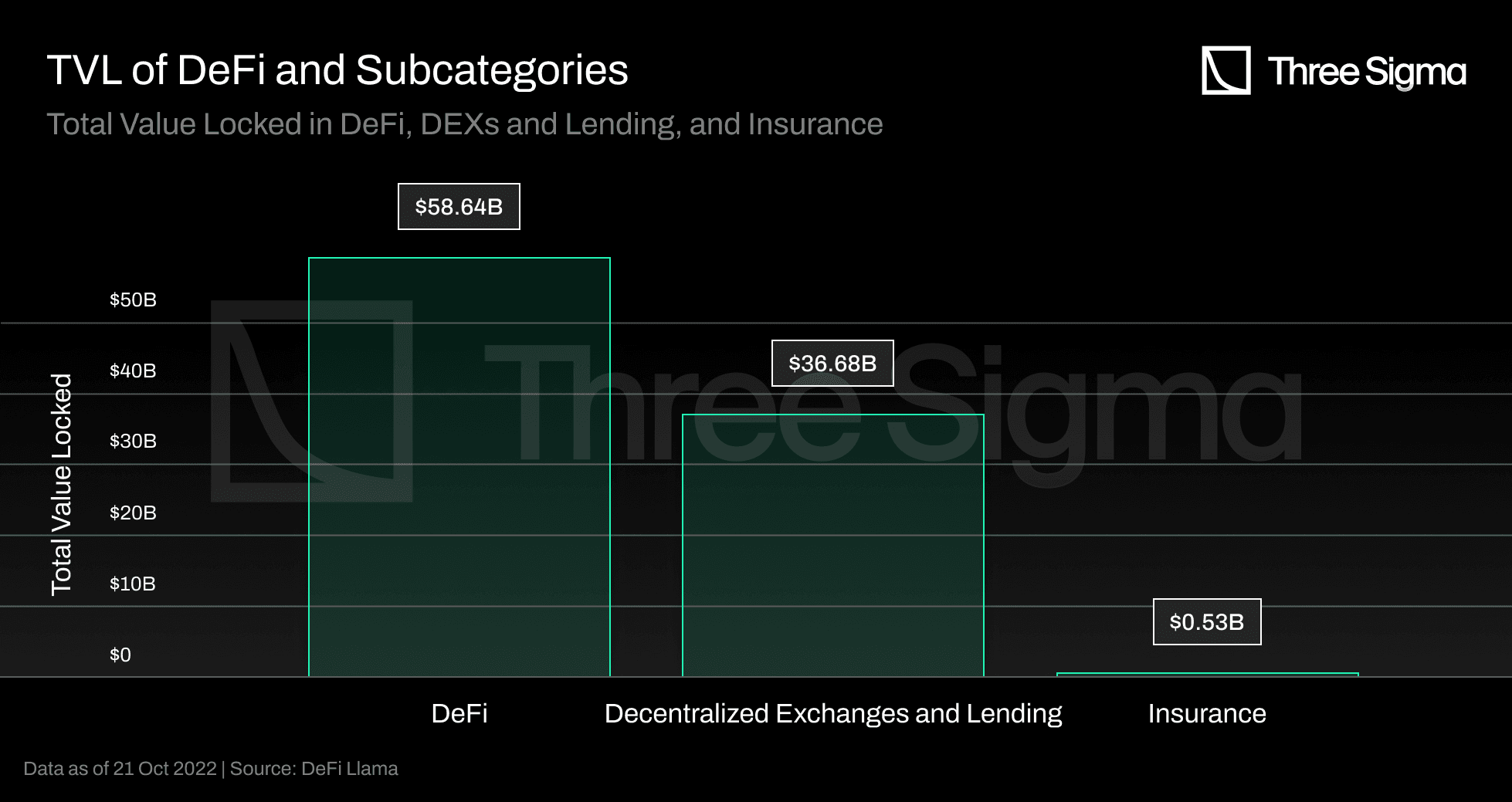
The impact is measurable: as of Q4 2024, the total lending volume across 20 major DeFi applications on 12 blockchains reached $191 billion, representing a staggering 959% increase over eight quarters (source: The Blockbeats). This surge is tightly correlated with the adoption of decentralized credit assessment tools that empower both lenders and borrowers to make data-driven decisions.
Pioneers in On-Chain Credit Scoring: Key Protocols and Innovations
A wave of innovation has brought several notable projects to the forefront:
Credora launched its on-chain scoring system in July 2024, partnering with Clearpool and Obligate to facilitate over $1.5 billion in loans by providing transparent risk metrics tied to wallet addresses rather than personal identities. Learn more about Credora's impact here.
RociFi's Non-Fungible Credit Score (NFCS) offers a soulbound token reflecting a user's borrowing reputation based entirely on their blockchain activity. With scores from 1 to 10, users can access under-collateralized loans if their transaction history demonstrates reliability, a significant leap toward capital efficiency for active Web3 participants.
TrueFi’s hybrid model, blending off-chain data with on-chain analytics, has enabled the origination of over $100 million in unsecured loans without defaults, proving that robust risk modeling can support sustainable reputation-based lending at scale.
ARCx and Spectral further advance this trend by leveraging machine learning models and historical trading behavior analysis to power dynamic loan-to-value ratios and programmable risk assessments within DeFi protocols.
The Mechanics Behind Decentralized Credit Scoring Systems
The core value proposition of these systems is transparency combined with privacy preservation. Unlike traditional credit bureaus that require sensitive personal data, decentralized scoring platforms analyze publicly available blockchain records, wallet balances, repayment events, protocol participation, while maintaining user pseudonymity. This approach not only reduces systemic risk but also democratizes access to financial services for previously marginalized groups.
- Enhanced Capital Efficiency: Borrowers can secure better terms or larger loan amounts by leveraging their positive on-chain reputations instead of posting excessive collateral.
- Lender Confidence: Lenders use real-time credit metrics to calibrate rates or approve requests programmatically.
- Ecosystem Growth: Lower barriers attract new participants who may lack large crypto reserves but have strong repayment histories or active engagement across protocols.
This paradigm shift is driving a more inclusive financial ecosystem while mitigating default risks through algorithmic trust mechanisms built into smart contracts. For a deeper dive into how these systems transform lending risks and benefits, see this detailed analysis.
As reputation-based DeFi lending matures, the interplay between on-chain analytics and automated risk management is setting new standards for transparency and efficiency in Web3 credit markets. By anchoring trust in verifiable blockchain behavior rather than opaque off-chain identities, these systems are creating a programmable reputation layer that can be universally accessed and audited.
Challenges, Limitations, and the Road Ahead
Despite remarkable progress, decentralized credit scoring systems are not without challenges. Sybil resistance remains a core concern: malicious actors may attempt to game reputation metrics by splitting activity across multiple wallets. Leading protocols are addressing this with advanced heuristics, graph analysis, and soulbound tokens to bind reputational data to unique on-chain identities.
Data privacy is another area of active development. While DeFi platforms rely on public blockchain data for transparency, emerging solutions like zero-knowledge proofs are being explored to allow users to prove their creditworthiness without revealing granular transaction histories. This balance between openness and privacy will be crucial as adoption scales.
The regulatory landscape also looms large. As under-collateralized lending grows, questions around compliance and anti-money laundering (AML) controls become increasingly relevant. Forward-thinking projects are building modular compliance tools that can be integrated into smart contracts without undermining decentralization or user sovereignty.
What This Means for DeFi Borrowers and Lenders
The practical implications for both sides of the market are profound:
Key Benefits of On-Chain Credit Scores in DeFi Lending
- Broader Financial Inclusion: On-chain credit scores lower entry barriers, enabling users without substantial crypto holdings to participate in DeFi lending, thus expanding access to decentralized finance.
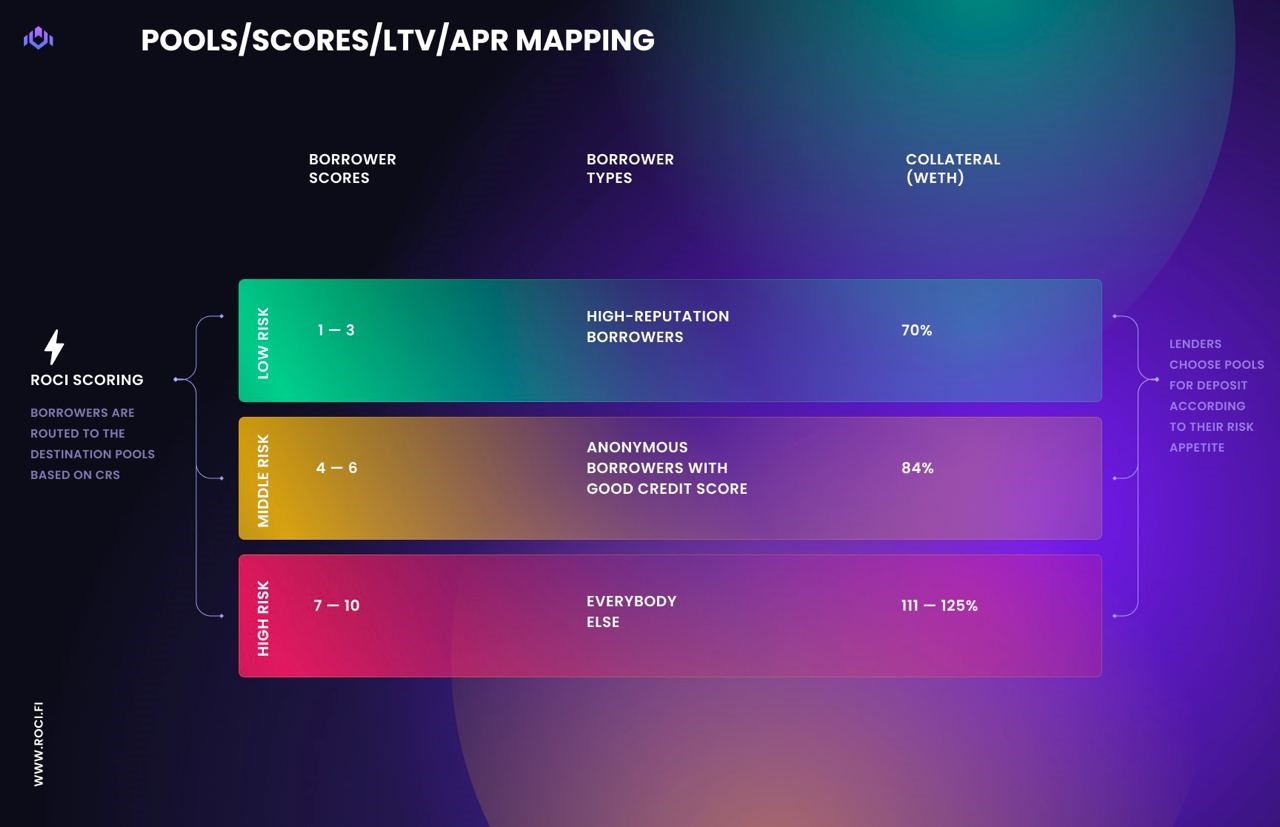

BORROWERS: Users with robust on-chain histories can access larger loans at more competitive rates without over-collateralizing positions. This opens doors for small businesses, DAOs, and individuals who have been excluded from traditional finance due to lack of formal credit history but possess strong Web3 reputations.
LENDERS: Enhanced risk modeling allows capital providers to fine-tune exposure across borrower segments with differing risk profiles. Dynamic loan terms based on real-time credit metrics reduce default probabilities while increasing overall protocol utilization rates.
The Future: Trillions at Stake?
The trajectory is clear: as on-chain credit scores unlock under-collateralized crypto loans, analysts project that trillions in untapped value could flow into DeFi over the next cycle. The $191 billion lending volume milestone reached in Q4 2024 is just the beginning as more protocols adopt decentralized trust systems and cross-chain interoperability expands access globally.
This evolution is not only technical but cultural, moving away from exclusionary gatekeeping toward a meritocratic system where financial opportunity is earned through transparent participation in the digital economy. For those building or participating in Web3 finance today, mastering decentralized reputation systems will be essential to unlocking new frontiers of capital formation and economic inclusion.




No comments yet. Be the first to share your thoughts!